Matcha Latte
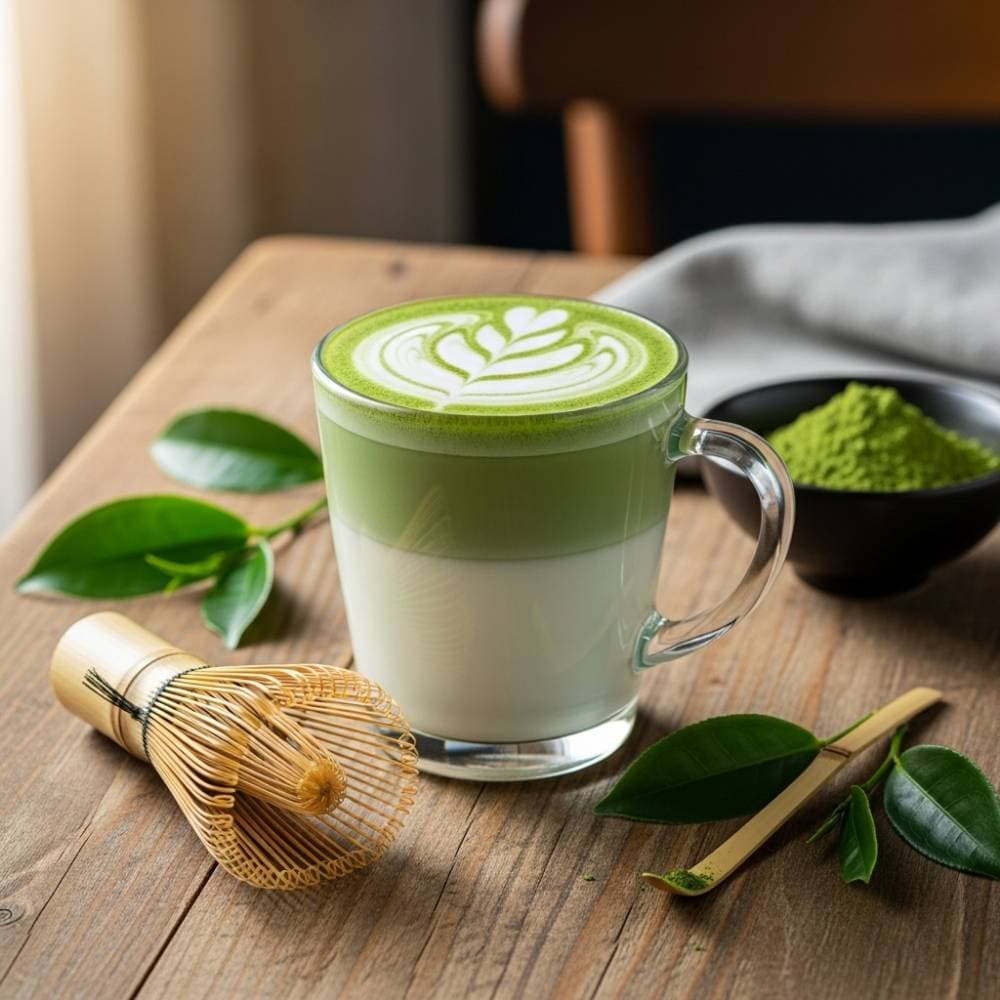
A vibrant and earthy beverage, a Matcha Latte combines finely ground green tea powder (matcha) with steamed milk, creating a smooth, creamy, and subtly sweet drink known for its unique flavor and energizing properties.
Prep Time
7 min
ABV
0% ABV
Servings
Flavor Profile
What is this drink?
The Matcha Latte is a modern café adaptation of Japan's ancient ceremonial matcha tradition, combining finely ground green tea powder with steamed milk into a vibrant, earthy, and subtly sweet warm drink. It's become one of the defining beverages of contemporary café culture.
Why you'll love it
It offers a uniquely satisfying flavor experience — the grassy, umami-rich earthiness of ceremonial-grade matcha paired with creamy milk is unlike anything else, providing a gentle, sustained energy boost without coffee jitters.
When to serve
Perfect as a morning coffee alternative, a focused afternoon drink, a calming ritual, or whenever you want an elegant, health-conscious warm beverage with a beautiful vibrant green color.
Pro tip
Use water at 175°F (80°C) — never boiling — to whisk the matcha paste. Boiling water scorches the delicate catechins in matcha, producing a bitter, less vibrant drink.
Ceremonial-Grade Matcha Powder
The star ingredient — ceremonial grade matcha is the highest quality, with a smooth, sweet, umami-rich flavor and vivid green color. Culinary grade works but tastes more bitter.
Hot Water (175°F/80°C)
Critical for proper preparation — sub-boiling water whisks the matcha into a smooth paste without bitterness or loss of delicate flavor compounds.
Steamed Milk
The creamy, sweet counterpart that softens matcha's earthy intensity and creates the smooth, satisfying latte texture.
Swap Options
Oat milk is the most popular plant-based choice for matcha lattes, as its natural sweetness complements the earthiness beautifully. An iced matcha latte uses cold milk poured over matcha paste and ice. Add a drop of vanilla extract for a gentler, sweeter profile.
You'll likely need to buy
Likely in your pantry
Directions
Step 1
Prepare matcha paste
In a small bowl or wide mug, place 1 teaspoon matcha powder. Add 2 tablespoons hot water (around 175°F / 80°C, just below boiling). Using a bamboo whisk (chasen) or a small regular whisk, vigorously whisk the matcha and water until a smooth, bright green paste forms with no lumps. A slight foam on top is a good sign.
Pro Tip
- →Ensure the water is not boiling, as it can burn the matcha and make it bitter. Whisking well is crucial to avoid a clumpy latte.
Step 2
Heat and froth milk
In a separate saucepan, heat 0.75 cup (180 ml) milk over medium heat until it's hot and steaming, but not boiling. If you're adding sweetener, dissolve 1-2 teaspoons of honey, maple syrup, or sugar into the hot milk. If you have a milk frother, froth the milk until it's foamy.
Pro Tip
- →Oat milk and whole dairy milk tend to froth best for a creamy latte.
Step 3
Combine and serve
Pour the frothed milk into the mug containing the whisked matcha paste. Stir gently to combine the layers. Optionally, dust with 1 pinch matcha powder on top for garnish. Serve immediately.
Pro Tip
- →For a layered effect, pour the milk slowly over the back of a spoon into the matcha.
Different ways to make this drink your own
Iced Matcha Latte
Whisk the matcha powder into a paste with a small amount of hot water, allow to cool slightly, then pour into a glass filled with ice and top with cold oat or dairy milk. The iced version is extraordinarily refreshing and maintains matcha's earthy character beautifully.
Vanilla Matcha Latte
Add a drop of pure vanilla extract or a pump of vanilla syrup to the matcha paste before adding the milk. The vanilla softens matcha's natural bitterness and grassiness considerably, making the drink more accessible to those new to matcha.
Matcha Oat Latte
Froth barista oat milk until thick and creamy and pour it slowly over the matcha paste for a particularly smooth, naturally sweet latte. The oat milk's creamy texture and subtle sweetness is an ideal counterpart to matcha's characteristic earthiness.
Tools that make this drink come together
Bamboo Matcha Whisk (Chasen)
The traditional Japanese bamboo whisk is the ideal tool for whisking matcha powder into a smooth paste without lumps. Its many fine tines incorporate the powder far more efficiently than a regular whisk. Whisk in a W or M motion rather than circular to prevent foaming.
Matcha Bowl or Small Ceramic Bowl
A wide, shallow bowl allows the bamboo whisk to move freely when making the matcha paste. The bowl's shape is designed for efficient whisking — the depth and width prevent the powder from climbing the sides.
Milk Frother
A handheld or standalone milk frother froths the steamed milk to a smooth, consistent foam. Good foam is important for the matcha latte's texture — without it, the drink feels flat and the matcha paste and milk remain poorly integrated.
Can't Find These?
A small wire balloon whisk works adequately instead of a bamboo chasen — whisk vigorously for a full minute. A cup or small bowl holds the matcha paste. Any method that heats and froths milk (saucepan and whisk, blender, jar-shaking) produces usable foam.
The right glass makes a real difference
Heatproof Glass Mug
A matcha latte is best served in a wide, transparent heatproof glass mug that showcases the drink's distinctive green colour beneath the white milk foam. The colour contrast between the vivid green matcha and the pale creamy foam is part of what makes a matcha latte so visually striking and appealing. A light dusting of matcha powder over the foam completes the café-quality presentation.
Alternatives
A ceramic matcha bowl (chawan) for a traditional Japanese presentation. A wide ceramic mug for a more casual everyday drink. A tall highball glass for the iced version. Any heatproof, wide-mouthed container works — the colour presentation is most important.
Perfect food pairings to complete the experience
Japanese Mochi
Soft, chewy mochi — particularly red bean or strawberry-filled varieties — are the traditional Japanese companion for matcha drinks. The sweet, delicate flavour of the mochi balances matcha's earthy bitterness in a deeply harmonious way.
Green Tea Shortbread
Matcha-infused shortbread biscuits echo the matcha latte's core flavour and provide a satisfying, buttery companion. The butter in the shortbread mellows the matcha's bitterness while amplifying its earthy, grassy notes.
Croissant with Honey
A plain, flaky croissant with a small pot of light acacia honey provides a simple, elegant companion for a matcha latte. The buttery layers and the gentle sweetness of the honey complement the earthy, grassy drink without overwhelming it.
Almond Financiers
Small, soft almond financiers — the French butter-sponge cakes — pair beautifully with matcha's earthiness. The nutty, brown-butter richness of the financier and the clean, vegetal character of the matcha create a quietly sophisticated pairing.
Prep in advance for effortless serving
Pre-Sift the Matcha
Always sift matcha powder through a fine tea strainer before using — matcha clumps together in the packet and unsifted powder produces lumpy paste that's difficult to whisk smooth. Pre-sift into a small sealed jar for quick access each morning.
Make the Matcha Paste Ahead
Whisk the matcha into a smooth paste with a small amount of hot water and store in the refrigerator in a sealed container for up to 24 hours. When ready for the latte, simply froth the milk and stir the paste in — a morning routine reduced from five minutes to under two.
Use Barista Plant Milk
Barista-grade oat milk (Oatly Barista, Minor Figures) is specifically formulated to froth well and resist curdling at high temperatures. Standard oat milk sometimes splits when added to hot beverages. Always have barista-grade milk for best results.
Heat Milk to the Right Temperature
Heat milk to 65–70°C — hot enough to froth and integrate with the matcha paste, but not boiling. Milk above 75°C loses its sweetness and develops a scalded flavour. A kitchen thermometer takes the guesswork out of this important detail.
Common questions answered by our bartenders
Got Leftovers?
Turn what you already have in your fridge into delicious meals. Our AI-powered generator creates personalized recipes from your ingredients.
Browse more like this:
Please drink responsibly. All drink recipes are intended for those of legal drinking age in their country. TheRandomRecipe does not promote excessive alcohol consumption. Alcohol Responsibility Policy