Classic Shrimp Scampi (Garlic Butter Shrimp in 20 Minutes)
Succulent shrimp bathed in a luscious garlic-butter sauce with white wine, lemon, and fresh herbs. This Italian-American restaurant favorite is elegant enough for guests yet quick enough for weeknights.
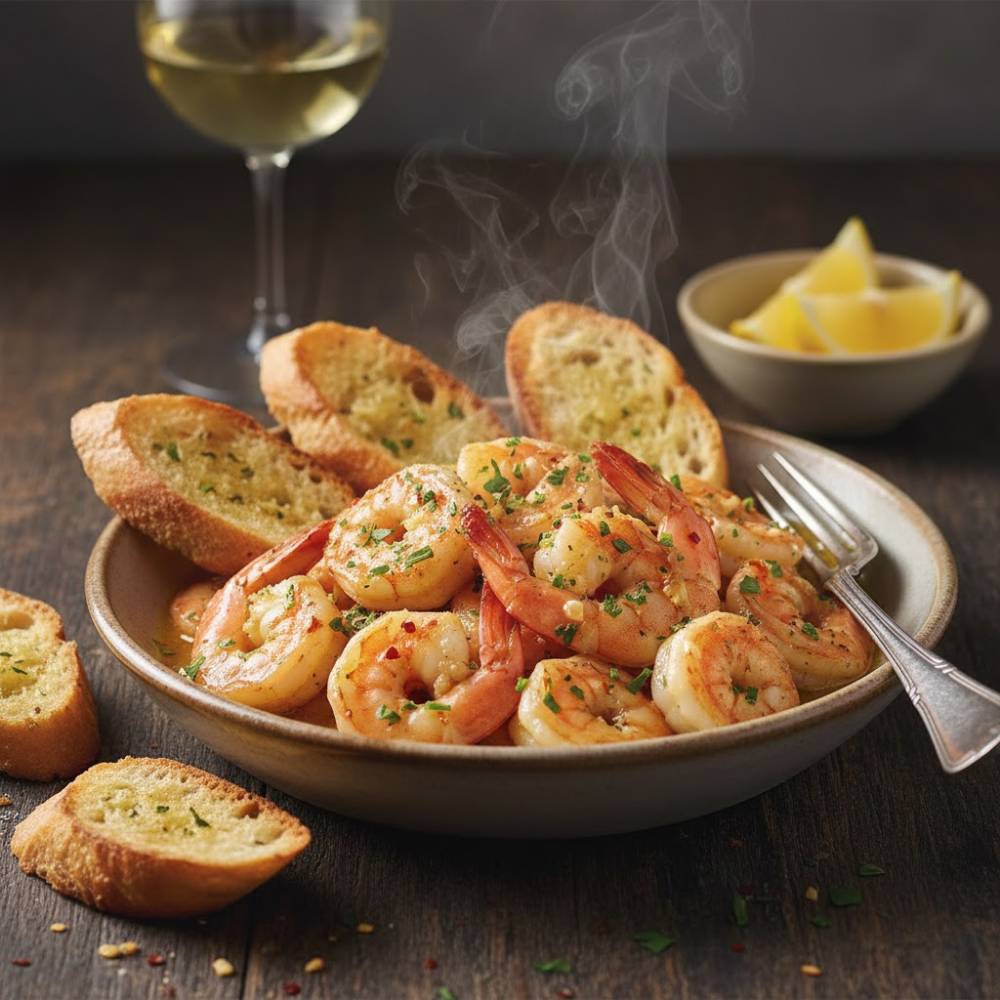
What is this dish?
Shrimp scampi is an Italian-American classic — succulent shrimp sautéed in a luscious sauce of garlic, butter, white wine, and lemon, traditionally served over linguine or spaghetti. Despite its restaurant prestige, it comes together in about 20 minutes and relies on a few quality ingredients rather than complex technique. The name comes from the Italian word 'scampo' (langoustine), as the dish was originally made with small lobster-like crustaceans.
Why you'll love it
Shrimp scampi delivers an extraordinary ratio of flavor to effort. The garlic-butter sauce is silky, rich, and bright from the lemon, and the shrimp add sweetness and a luxurious quality that elevates the entire dish. It looks and tastes impressive enough for guests but requires fewer than 10 active minutes of cooking.
When to serve
Shrimp scampi is perfect for date nights, quick dinner parties, and weeknight dinners when you want something special. It serves beautifully with a simple arugula salad and a glass of the white wine used in the sauce. The dish comes together so quickly that you can have a genuinely restaurant-quality meal on the table in 20 minutes.
Quick tips
Dry shrimp thoroughly before cooking for proper searing. Cook shrimp quickly over high heat in batches and remove before they overcook. Reduce white wine fully before adding lemon juice. Save pasta water before draining — it is essential for the sauce. Serve immediately as the dish does not hold well.
Large Shrimp
The star ingredient. Large or jumbo shrimp have the best texture and presence in scampi — small shrimp overcook too quickly and are lost in the sauce. Fresh or thawed-from-frozen both work. Always peel and devein, and pat completely dry before cooking.
Dry White Wine
The flavor foundation of the sauce alongside butter and garlic. Use a wine you would actually enjoy drinking — Pinot Grigio or Sauvignon Blanc work perfectly. The wine reduces to concentrate its flavors and provides the acidity that balances the butter's richness.
Unsalted Butter
Used in two stages: first to sear the shrimp, then as the base of the sauce. Butter provides the richness, golden color, and silky mouthfeel that defines scampi. Using unsalted butter gives you control over the total salt level in the dish.
Fresh Lemon Juice and Zest
Both the juice and zest appear in the sauce. The juice provides bright, clean acidity that cuts through the butter richness. The zest adds aromatic citrus oils that lemon juice alone cannot provide. Always use fresh lemons — bottled lemon juice lacks the necessary vibrancy.
Substitution Options
Replace white wine with an equal amount of chicken or vegetable broth plus an extra tablespoon of lemon juice for a no-alcohol version. Use ghee or olive oil instead of butter for a dairy-free version, though the sauce will be less rich. Substitute shrimp with scallops (cook 2-3 minutes per side) or diced firm white fish. For a lower-carb option, serve over zucchini noodles instead of pasta. Add capers (1-2 tablespoons) for a briny, tangy element that complements the lemon and garlic perfectly.
Cook the pasta
Bring a large pot of salted water to a boil. Add 8 oz of linguine, spaghetti, or angel hair pasta and cook according to package directions until al dente (usually 8-10 minutes). Before draining, reserve 1/2 cup of pasta cooking water. Drain the pasta and set aside.
💡 Pro Tips:
- •Salt the pasta water generously - it should taste like the sea.
- •Don't rinse the pasta after draining - the starch helps the sauce cling.
Prepare the shrimp
While the pasta cooks, pat 1 pound of peeled and deveined shrimp completely dry with paper towels. Season both sides with 1/2 teaspoon salt and 1/4 teaspoon black pepper. Set aside.
💡 Pro Tips:
- •Dry shrimp are essential for getting a nice sear.
- •Large or jumbo shrimp work best - avoid using small shrimp as they can overcook quickly.
Sear the shrimp
Heat 2 tablespoons olive oil and 2 tablespoons butter in a large skillet over medium-high heat until the butter is melted and foaming. Add the shrimp in a single layer (work in batches if needed to avoid crowding). Cook for 1-2 minutes per side until the shrimp turn pink and opaque. Transfer the cooked shrimp to a plate and set aside.
💡 Pro Tips:
- •Don't overcook - shrimp are done when they form a loose C-shape.
- •Cooking in batches ensures proper searing instead of steaming.
Make the garlic butter sauce
In the same skillet, reduce heat to medium and add the remaining 2 tablespoons butter. Once melted, add 6 cloves minced garlic and 1/4 teaspoon red pepper flakes (if using). Cook for 30-45 seconds, stirring constantly, until fragrant but not browned. Pour in 1/2 cup dry white wine and bring to a simmer. Let it cook for 2-3 minutes to reduce slightly and cook off the alcohol.
💡 Pro Tips:
- •Watch the garlic closely - burnt garlic tastes bitter.
- •The wine should reduce by about one-third.
Finish the sauce
Stir in 1/4 cup fresh lemon juice, 1 teaspoon lemon zest, the remaining 1/2 teaspoon salt, and 1/4 teaspoon black pepper. Return the cooked shrimp to the skillet along with any accumulated juices. Toss gently to coat the shrimp in the sauce. Cook for 1 minute just to warm the shrimp through.
💡 Pro Tips:
- •Fresh lemon juice is key - bottled juice doesn't have the same brightness.
- •Don't overcook the shrimp at this stage or they'll become rubbery.
Combine with pasta and serve
Add the cooked pasta to the skillet and toss everything together until the pasta is well coated with the sauce. If the sauce seems too thick, add a splash of the reserved pasta water to loosen it. Stir in 1/4 cup chopped fresh parsley and 2 tablespoons chopped fresh basil (if using). Remove from heat. Serve immediately in bowls or on plates, garnished with extra parsley, lemon wedges, and grated Parmesan cheese if desired.
💡 Pro Tips:
- •The starchy pasta water helps the sauce adhere to the noodles.
- •Serve immediately - scampi is best enjoyed fresh and hot.
Techniques that separate good from great
Sear shrimp in a very hot pan in a single layer — never crowd
Shrimp release moisture as they cook. In a crowded pan, that moisture cannot evaporate and the shrimp steam instead of sear, turning pale and rubbery. Use a large pan, work in batches if needed, and ensure shrimp are in a single layer with space between each one.
Reduce the wine fully before adding lemon juice
White wine needs 2-3 minutes of simmering to cook off the harsh alcohol and concentrate its flavor into the sauce. Adding lemon juice at the same time as wine creates a sauce that tastes sharp and thin. Let the wine reduce until the strong alcohol aroma dissipates, then add lemon.
Reserve pasta water — it is the key to sauce consistency
The starchy water from cooking pasta emulsifies with the butter sauce, helping it cling to every strand rather than pooling at the bottom of the bowl. Add it tablespoon by tablespoon until you reach the ideal consistency. The starch also prevents the butter from separating.
Add shrimp back to the sauce off the heat to finish
Shrimp are already cooked when you return them to the sauce. Adding them back to the pan over high heat risks overcooking them into rubbery O-shapes. Turn off the heat or reduce to low, return the shrimp, and toss just until coated and warmed through — about 1 minute.
- Large pot (for pasta)
- Large skillet or sauté pan
- Tongs or pasta fork
- Colander
- Knife and cutting board
- Measuring cups
- Measuring spoons
- Paper towels
- 💡For a richer sauce, add an extra tablespoon of butter at the end or swirl in a tablespoon of cream.
- 💡You can substitute chicken broth for the white wine if you prefer not to use alcohol. Add an extra squeeze of lemon to compensate for the acidity.
- 💡Leftover shrimp scampi can be stored in the refrigerator for up to 2 days, but it's best enjoyed fresh. Reheat gently to avoid overcooking the shrimp.
Different ways to make this dish your own
Shrimp Scampi Without Pasta (Over Rice)
Serve the garlic-butter shrimp over steamed white or brown rice instead of pasta. The rice absorbs the sauce just as beautifully. Add extra lemon juice and fresh herbs directly to the rice before serving.
Creamy Shrimp Scampi
After reducing the wine, stir in 1/4 cup of heavy cream and reduce by half before returning the shrimp. The cream creates a richer, more coating sauce that is especially luxurious.
Shrimp Scampi with Cherry Tomatoes and Spinach
Add 1 cup of halved cherry tomatoes to the garlic-butter stage and cook for 2 minutes until slightly blistered. Stir in 2 cups of spinach at the end. The tomatoes add sweetness and the spinach creates a more complete one-pan meal.
Spicy Shrimp Scampi Fra Diavolo
Double the red pepper flakes and add 1/4 teaspoon of cayenne to the sauce. Substitute crushed canned tomatoes (1/2 cup) for half the wine for a spicy, tomato-infused variation with bold Calabrian heat.
Perfect pairings to complete the meal
Crusty Italian Bread for Sauce Mopping
A thick slice of toasted ciabatta or sourdough is ideal for mopping up every drop of the garlic-butter-wine sauce — arguably the best part of the dish. Toast with olive oil and a pinch of garlic for maximum enjoyment.
Simple Arugula Salad
A lightly dressed arugula salad with lemon vinaigrette and shaved Parmesan provides a peppery, fresh contrast to the rich, buttery scampi. The bitter greens cleanse the palate between bites.
Chilled Pinot Grigio
Serve the same wine used in the sauce alongside the dish. The matching acidity and fruit notes create perfect harmony, and the cold wine provides a refreshing counterpoint to the warm, rich pasta.
Caprese Salad as a Starter
Begin the meal with a Caprese salad of fresh mozzarella, ripe tomatoes, and basil. The light, fresh starter contrasts beautifully with the indulgent shrimp scampi and creates a cohesive Italian-themed meal.
Keep it fresh and plan ahead
Refrigerator
Store leftovers in an airtight container for up to 2 days. The pasta absorbs more sauce and moisture as it sits, changing the texture. The shrimp are best when fresh — reheat very gently.
Freezer
Not recommended. The butter sauce separates when frozen, the pasta becomes mushy, and shrimp become rubbery after freezing and thawing. Shrimp scampi is best made fresh.
Make-Ahead
The garlic-butter-wine sauce can be made up to 24 hours ahead and refrigerated without the shrimp. Cook fresh pasta and shrimp when ready to serve. Reheat the sauce gently, add fresh shrimp, and toss with hot pasta.
Reheating
Reheat very gently in a skillet over low heat with a splash of water or broth to loosen the sauce. Add the pasta first to heat through, then the shrimp for only 1-2 minutes. High heat makes shrimp rubbery. The microwave is not ideal but works on low power with frequent stirring.
Be the first to review this recipe!
Got Leftovers?
Turn what you already have in your fridge into delicious meals. Our AI-powered generator creates personalized recipes from your ingredients.
Browse more like this:
You Might Also Like
Discover more delicious recipes similar to what you're cooking