Indian Recipes for Beginners — 8 Dishes to Start With (and Why They Work)
New to Indian cooking? These 8 recipes teach the core techniques and spices — start here and every other Indian recipe becomes approachable.
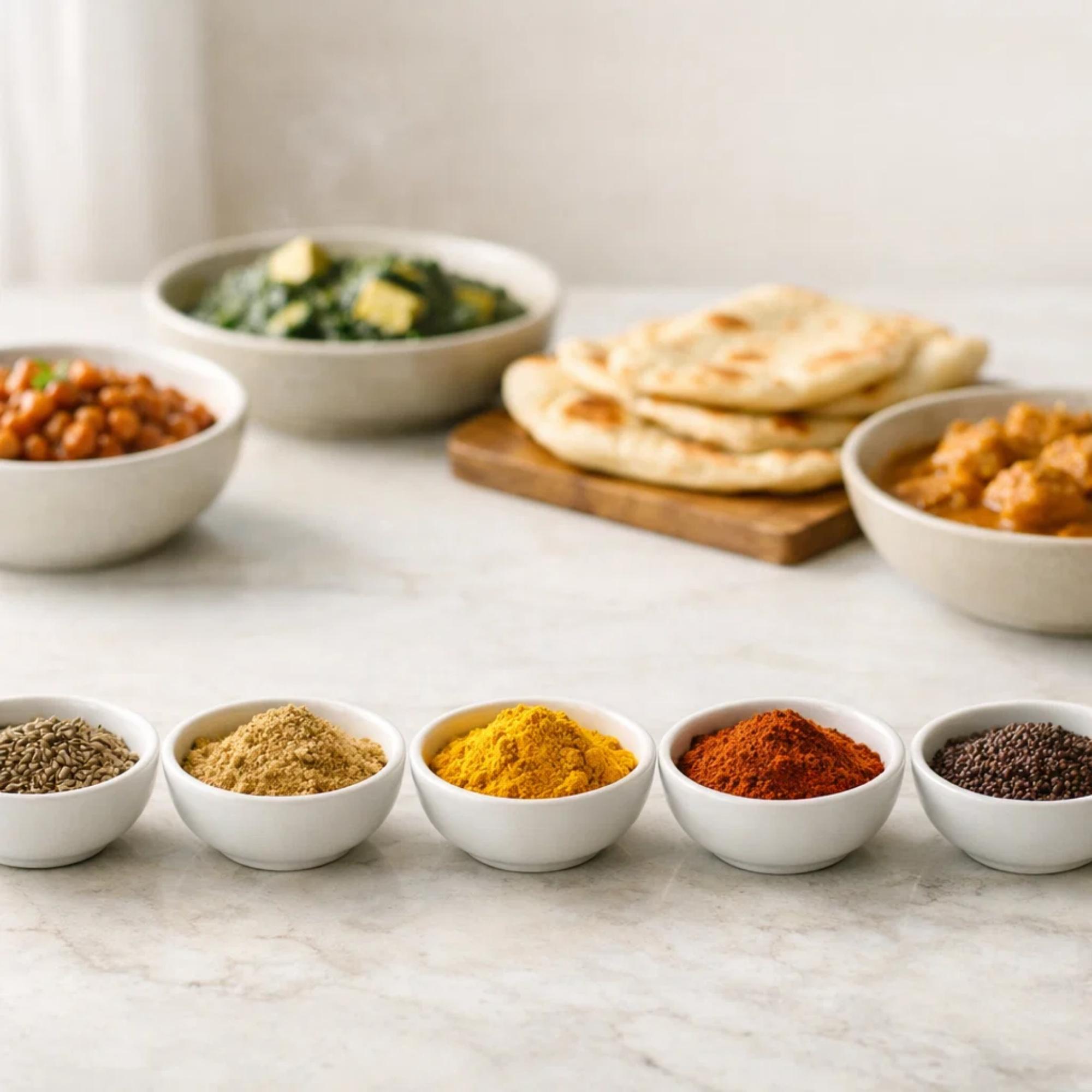
Indian cooking has an undeserved reputation for being difficult. The spice list can look overwhelming on first encounter — and the assumption is that getting it right requires years of practice. Neither is true. The core techniques are simple, the spices build on each other logically, and most Indian recipes follow the same basic structure once you understand it.
The Structure Behind Most Indian Recipes
Can't decide what to make? Let our generator pick for you instantly.
Generate a Random Recipe →The majority of Indian curries follow the same template: heat oil, fry whole spices briefly, add onion until golden, add ginger and garlic, add ground spices, cook the tomato base down, add the main ingredient, and finish with fresh herbs or cream. Once you know this structure, you can improvise most Indian dishes from memory.
The 'spice fear' is the biggest barrier for beginners. The solution is straightforward: start with a small number of spices you understand — cumin, coriander, turmeric, garam masala, chilli — and use them consistently across several recipes. After three or four dishes, you'll begin to recognise how each spice behaves and what it contributes.
These eight recipes were chosen because each one teaches something different. Together they cover the core techniques, the major regional styles, and the full range of Indian cooking from weeknight simplicity to celebration-worthy centrepieces.
8 Indian Recipes to Start With
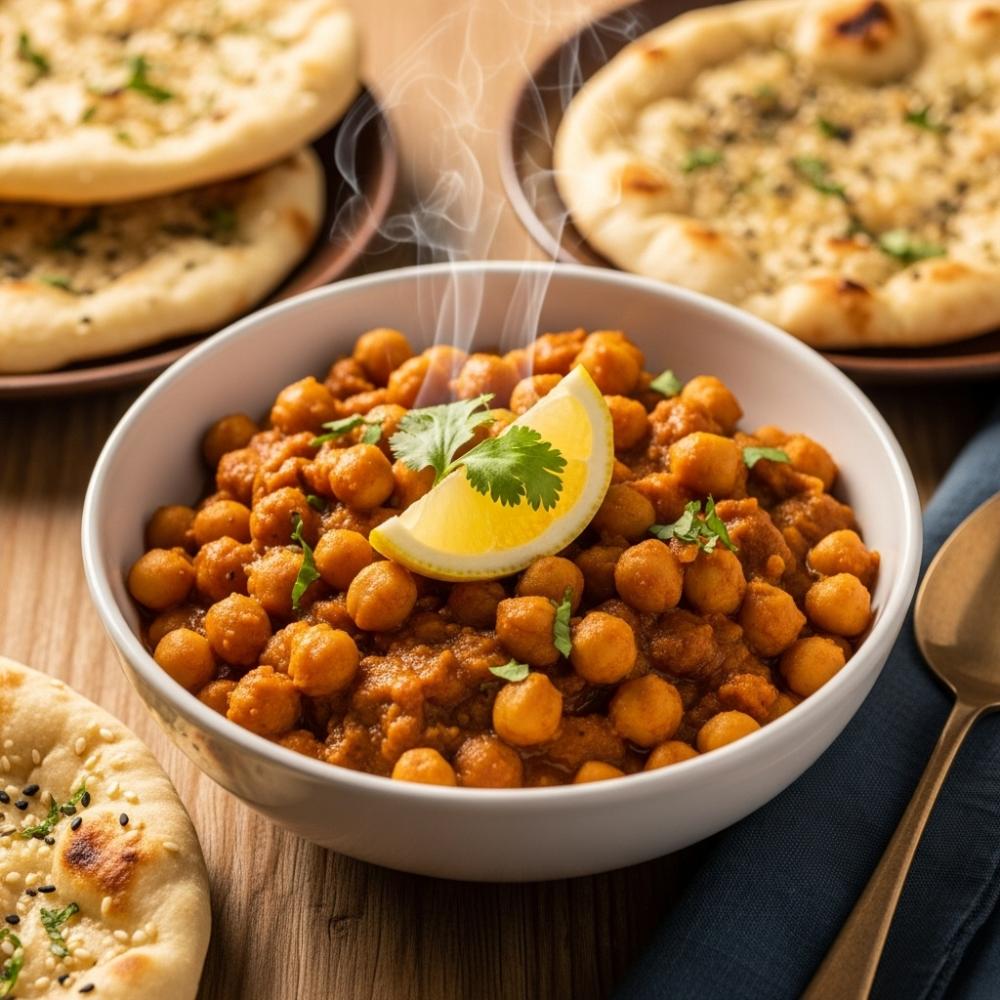
Chana Masala
A flavorful and aromatic Indian chickpea curry, simmered in a spiced tomato-onion gravy. This vegetarian dish is quick to prepare and perfect for a comforting meal for two, served with rice or naan.
The ideal first Indian recipe. Tinned chickpeas, tinned tomatoes, and six spices — ready in 30 minutes. Chana masala teaches you the basic curry technique (the tarka method: frying spices in oil before adding other ingredients) and produces a genuinely excellent result from your very first attempt.
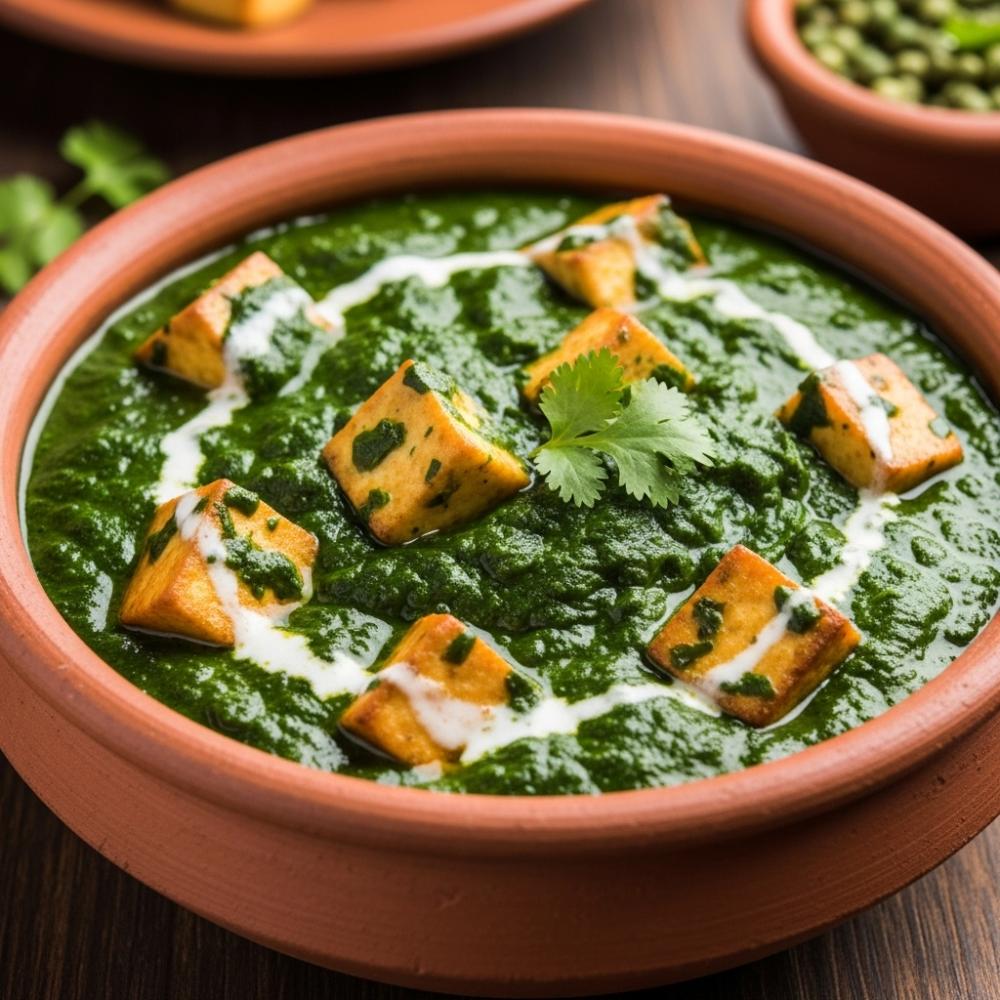
Classic Palak Paneer
A vibrant and creamy Indian dish featuring tender cubes of paneer (Indian cheese) simmered in a luscious, mildly spiced spinach gravy. It's a comforting vegetarian staple, rich in flavor and nutrition, perfect for two.
Spinach and paneer in a spiced, lightly creamy sauce. Palak paneer is one of India's most beloved vegetarian dishes and an excellent introduction to cooking with paneer — a firm, fresh cheese that holds its shape when fried and absorbs the flavours of whatever it's cooked with.
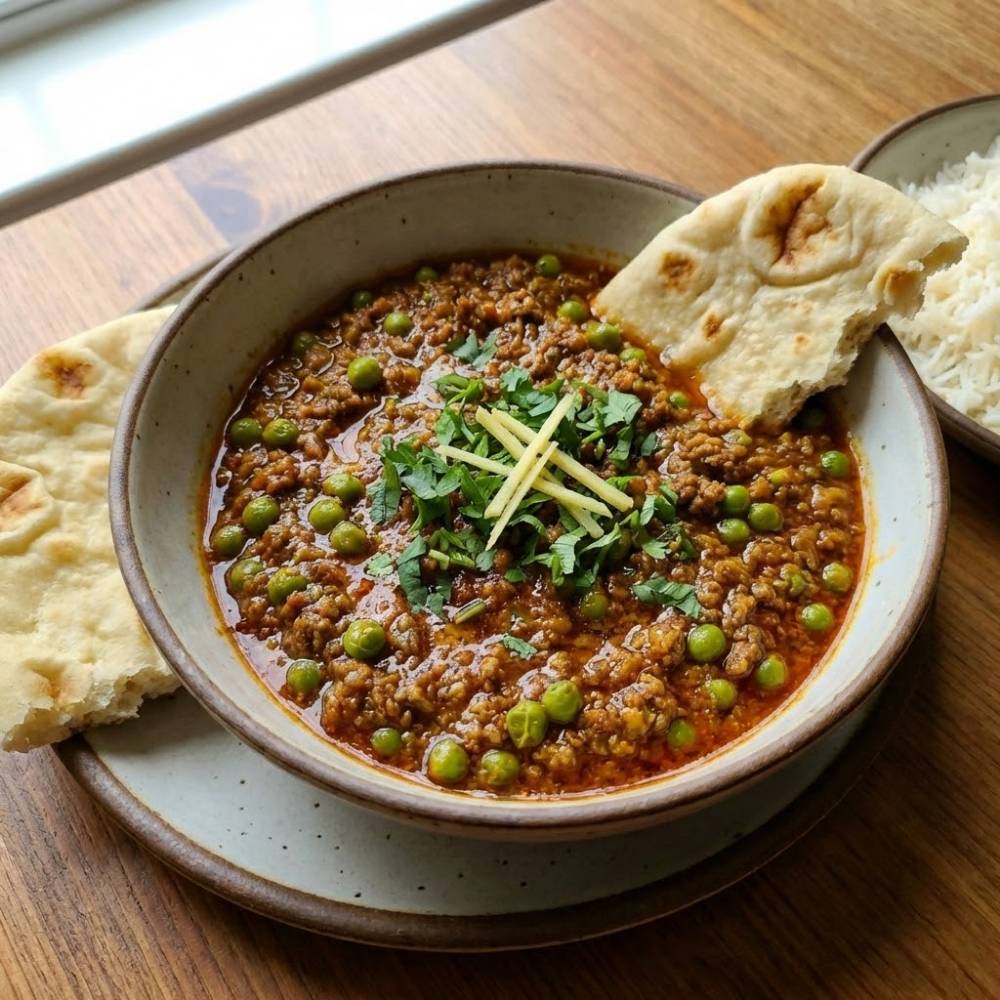
Keema Curry Recipe (Spiced Ground Meat Indian Curry)
A fragrant, hearty North Indian curry featuring spiced ground meat (lamb, beef, or turkey) simmered with peas, tomatoes, and aromatic spices. Comfort food at its finest - perfect with rice or scooped up with warm naan.
A spiced minced meat curry that's fast, economical, and deeply satisfying. Keema can be made with lamb, beef, or chicken mince and is ready in about 30 minutes. It's a great weeknight curry because it requires no marinating, no long simmering, and can be adapted endlessly.
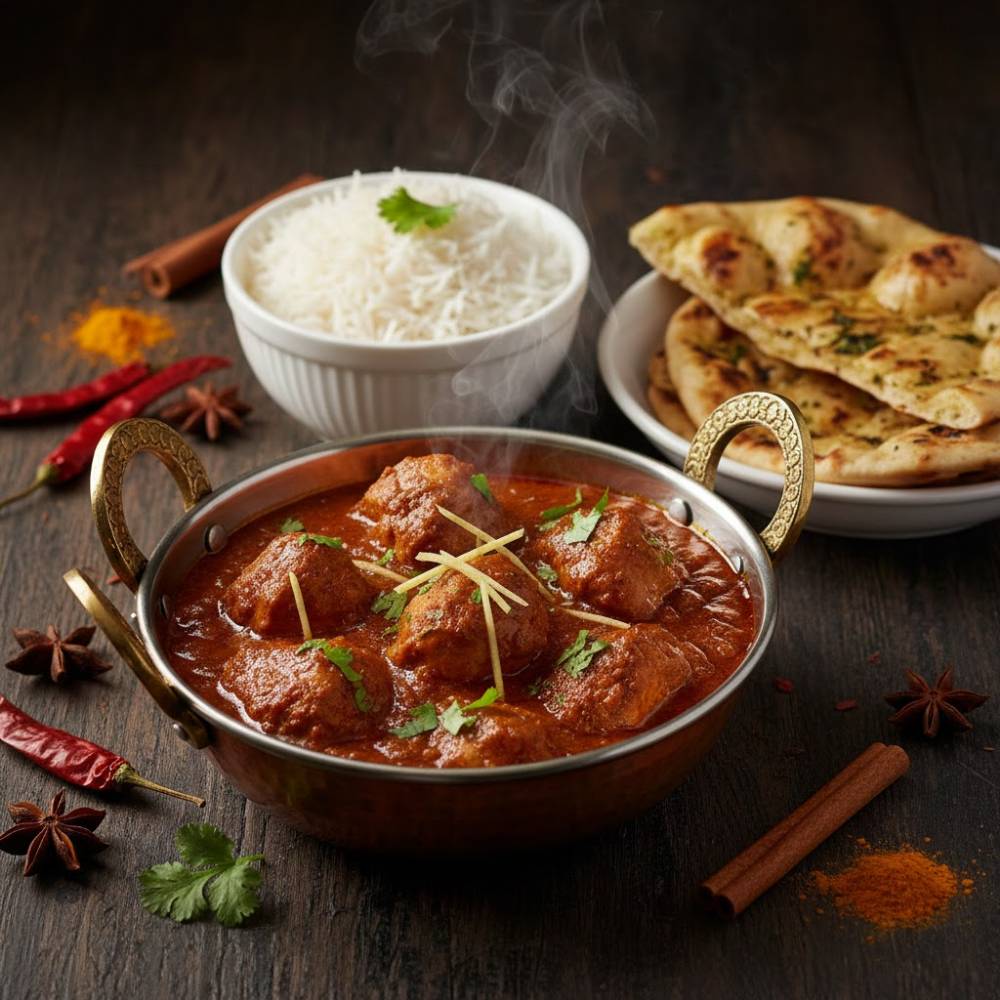
Chicken Vindaloo (Spicy Indian Curry Made Simple)
A bold and fiery Goan-inspired curry featuring tender chicken pieces simmered in a tangy, spiced vinegar-based sauce with warm aromatics. A flavorful and intense curry for two, best served with steamed rice to balance the heat.
Goa's famous hot, tangy curry — vinegar-marinated chicken cooked in a fierce, spiced sauce. Vindaloo is the dish that defines bold Indian cooking. It's not as difficult as its reputation suggests, but it does require marinating the chicken (even 30 minutes makes a difference) and a tolerance for heat.
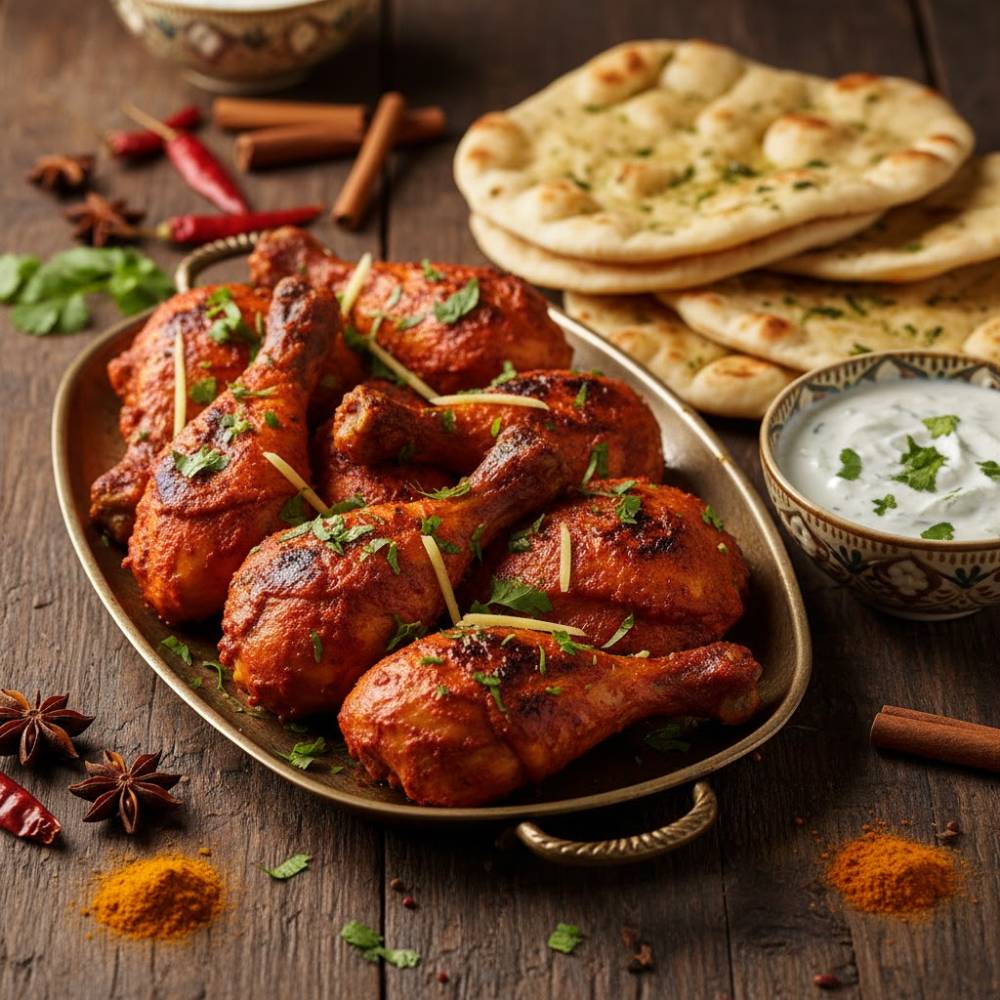
Oven-Baked Tandoori Chicken (Easy Restaurant-Style Recipe)
Juicy, flavorful chicken legs marinated in a vibrant yogurt and spice blend, then oven-baked to achieve a charred, smoky finish reminiscent of a traditional tandoor oven. A showstopping Indian classic made easy at home for two.
Restaurant-style tandoori chicken made in a standard oven. The marinade — yoghurt, lemon juice, and a blend of spices including kashmiri chilli for colour — does most of the work. A hot oven and a brief grill at the end produces the characteristic charred edges. A recipe that looks impressive and tastes even better.
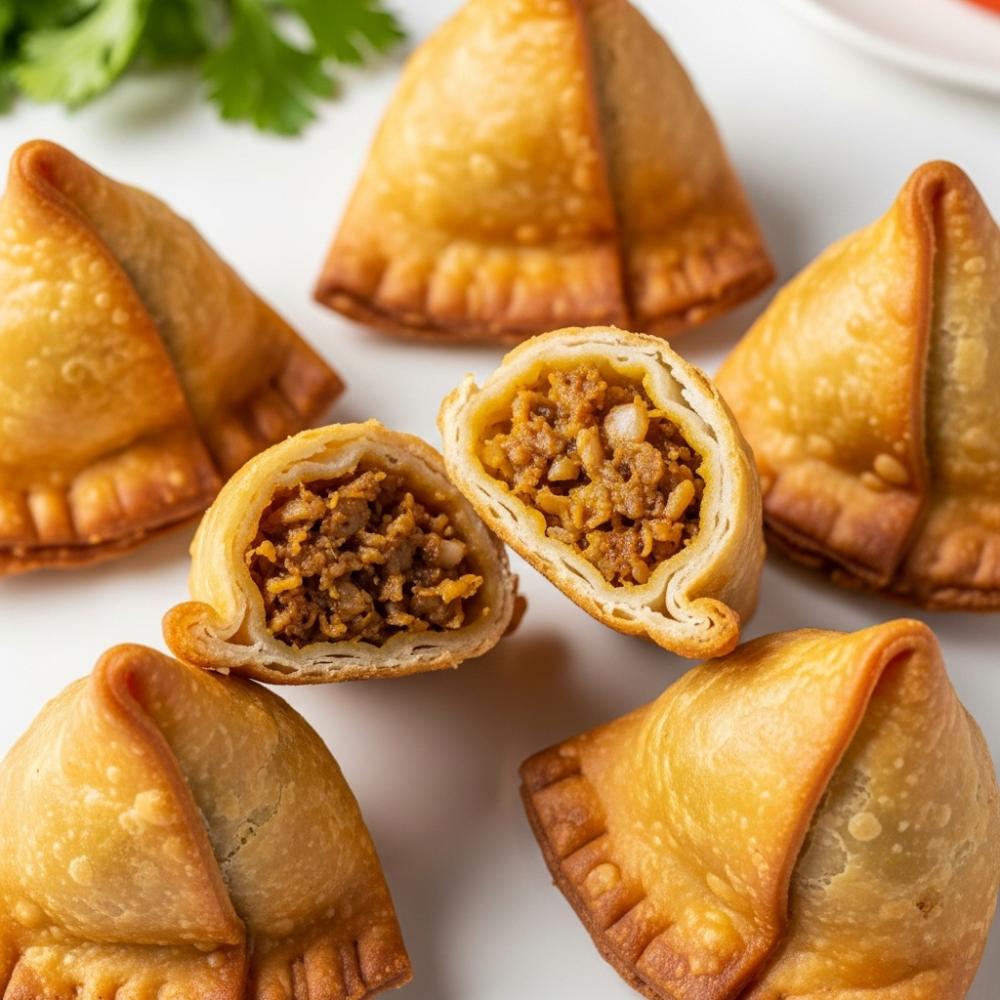
Classic Samosas
Crispy, triangular pastries filled with a delicious and aromatic mixture of spiced potatoes and green peas. Perfect as a flavorful snack or appetizer for two.
The classic Indian snack and starter: crisp pastry filled with spiced potato and peas. Samosas take time but are genuinely achievable at home — and the result is far superior to anything you'll find pre-packaged. Make a large batch and freeze before frying; they cook from frozen in 15 minutes.
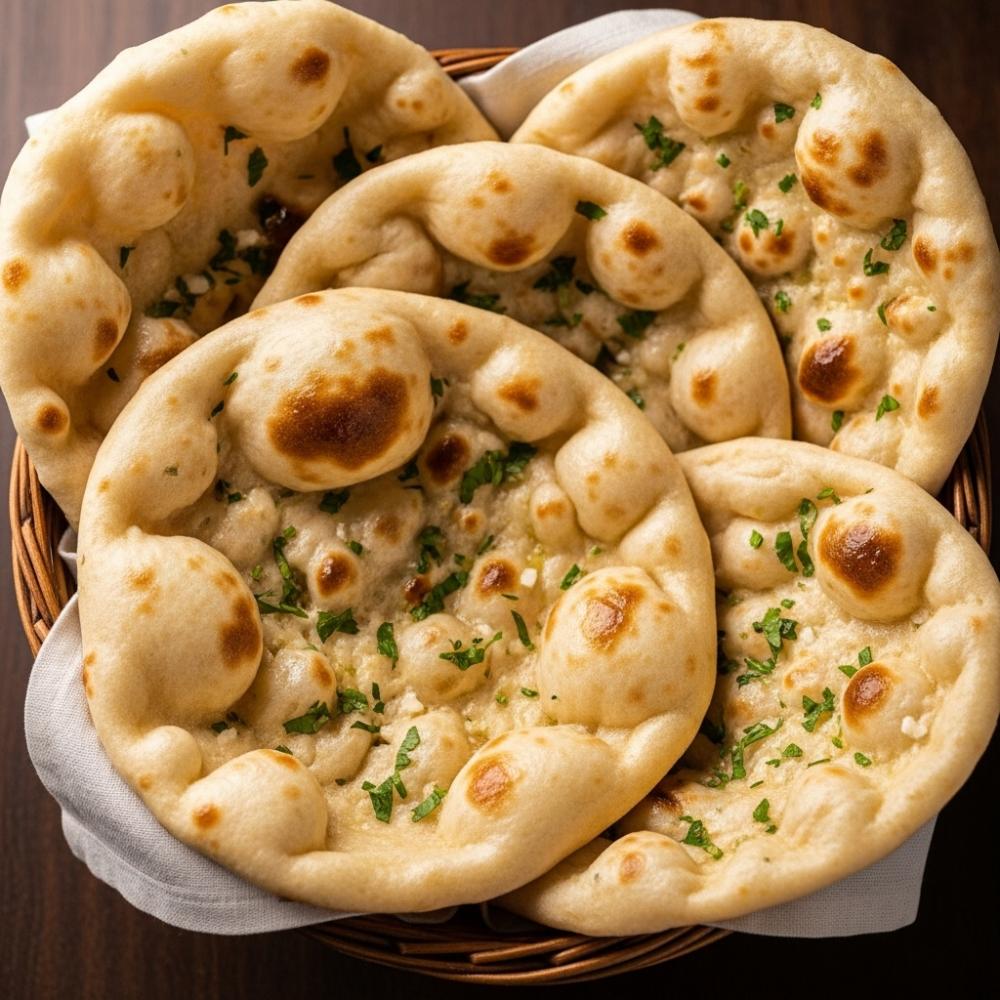
Classic Naan Bread
Soft, pillowy, and slightly chewy Indian flatbread, traditionally cooked in a tandoor oven but easily made on a stovetop. Perfect for scooping up curries or as a side for two.
Homemade naan bread cooked in a hot cast iron pan — a close replica of the tandoor-cooked original. The dough comes together in about 15 minutes and requires no specialist equipment. Garlic butter naan alongside any curry elevates the whole meal and takes about 30 minutes of active work.
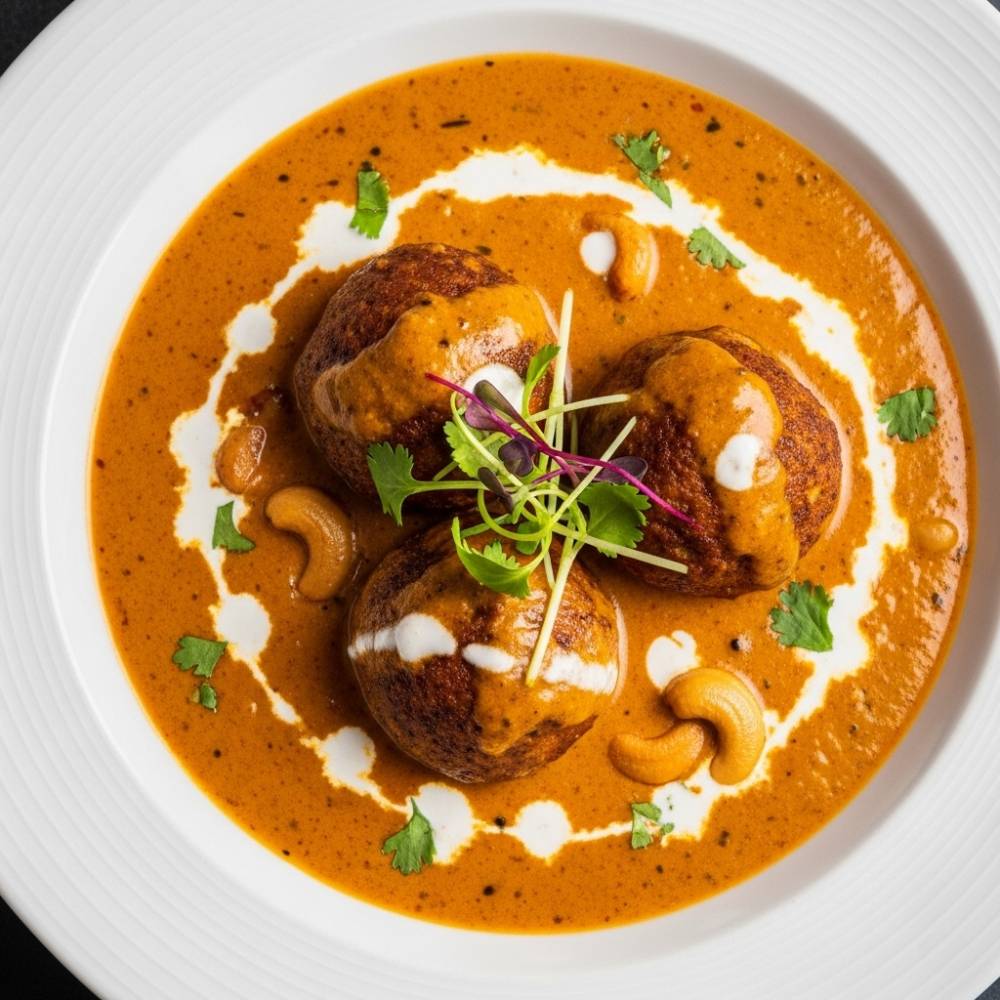
Malai Kofta with Cashew Cream Sauce
Soft and creamy dumplings (kofta) made from paneer and potatoes, served in a rich, mild, and luscious cashew cream sauce. A celebrated vegetarian Indian dish, perfect for two.
Paneer and potato dumplings in a rich cashew cream sauce — one of Indian cuisine's most luxurious vegetarian dishes. Malai kofta is a centrepiece recipe for celebrations or when you want to cook something genuinely special. The koftas can be made ahead and the sauce takes less than 20 minutes.
The 6 Spices to Buy First
These six cover most classic Indian recipes — buy these before anything else:
- Cumin seeds and ground cumin — the foundational flavour of Indian cooking. Cumin seeds fried in oil at the start of a dish release a nutty, earthy aroma that defines the base of most curries.
- Ground coriander — slightly citrusy and mild, ground coriander is used in almost every curry alongside cumin. They are nearly always paired together.
- Turmeric — adds the yellow colour and a faintly earthy, slightly bitter background note. Used in small amounts (typically 1/2 teaspoon) across most dishes.
- Garam masala — a spice blend added toward the end of cooking. Warm, aromatic, and complex. Different brands vary significantly; try a few to find one you like.
- Kashmiri chilli powder — mild heat with brilliant red colour. Used for tandoori marinades and for the characteristic deep red of many North Indian curries. Easier to control than regular chilli powder.
- Mustard seeds — essential for South Indian cooking. Popped in hot oil at the start of a dish, they add a sharp, slightly bitter note that's the signature of dishes from Tamil Nadu, Karnataka, and Kerala.
Browse the full Indian recipe collection — curries, biryanis, breads, street food, and regional specialities.
Browse Indian RecipesBottom Line
Start with chana masala. Make it twice. The second time, you'll barely need the recipe — and you'll begin to recognise how the spices behave and build. Work through keema, palak paneer, and tandoori chicken before attempting vindaloo or malai kofta. Indian cooking rewards patience and repetition more than any other cuisine — and delivers more once you start understanding it.
Frequently Asked Questions
No. Six spices cover the majority of classic Indian recipes: cumin, ground coriander, turmeric, garam masala, kashmiri chilli powder, and mustard seeds. Most beginners over-buy on spices and find many of them unused. Start with these six across the first four or five recipes you make, then expand your collection gradually as you encounter specific recipes that call for something different.
In practice, both terms are used loosely and often interchangeably in restaurant and home cooking contexts. Technically, 'masala' refers to a spice blend or spiced mixture — so chana masala means chickpeas cooked in a spiced sauce. 'Curry' is a broader, British-influenced term for spiced, sauce-based Indian dishes. For home cooking purposes, the terms are largely interchangeable.
Yes. Most recipes that call for ghee can be made with a neutral vegetable oil (sunflower or rapeseed) or with butter. Ghee adds a richer, more nutty flavour and has a higher smoke point than butter, making it better for high-heat cooking. It's worth buying a small jar once you're cooking Indian food regularly, but it's not essential for any beginner recipe.
Add dairy — yoghurt, cream, or coconut milk all reduce the perception of heat effectively. A spoonful of yoghurt stirred through at the end is the fastest method. Adding more of the base sauce (tinned tomato or stock) also dilutes the chilli. Serving with yoghurt-based raita and plain rice or bread also significantly reduces the experience of heat, even if the sauce itself hasn't changed.
Can't decide what to make? Let our generator pick for you instantly.
Generate a Random Recipe →Tags:
Related Articles
Ready to Try These Recipes?
Browse our complete recipe collection for more cooking inspiration!