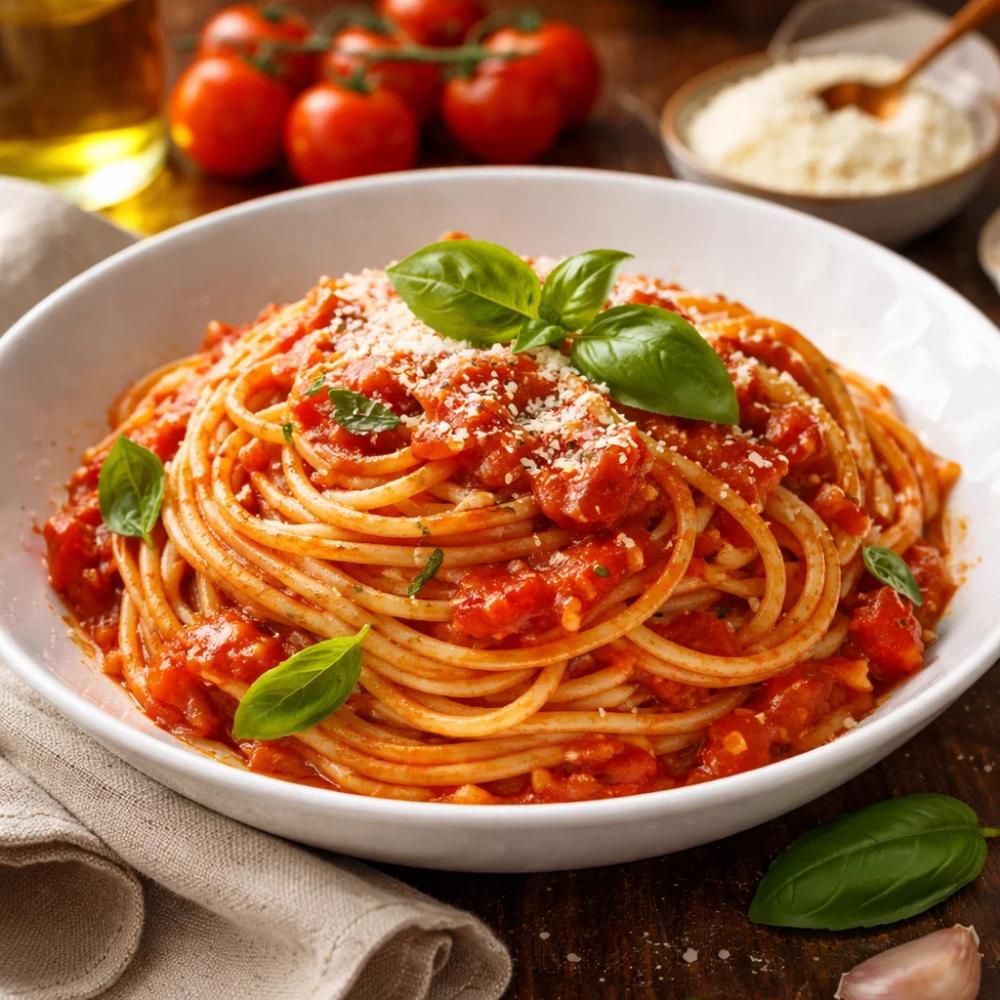
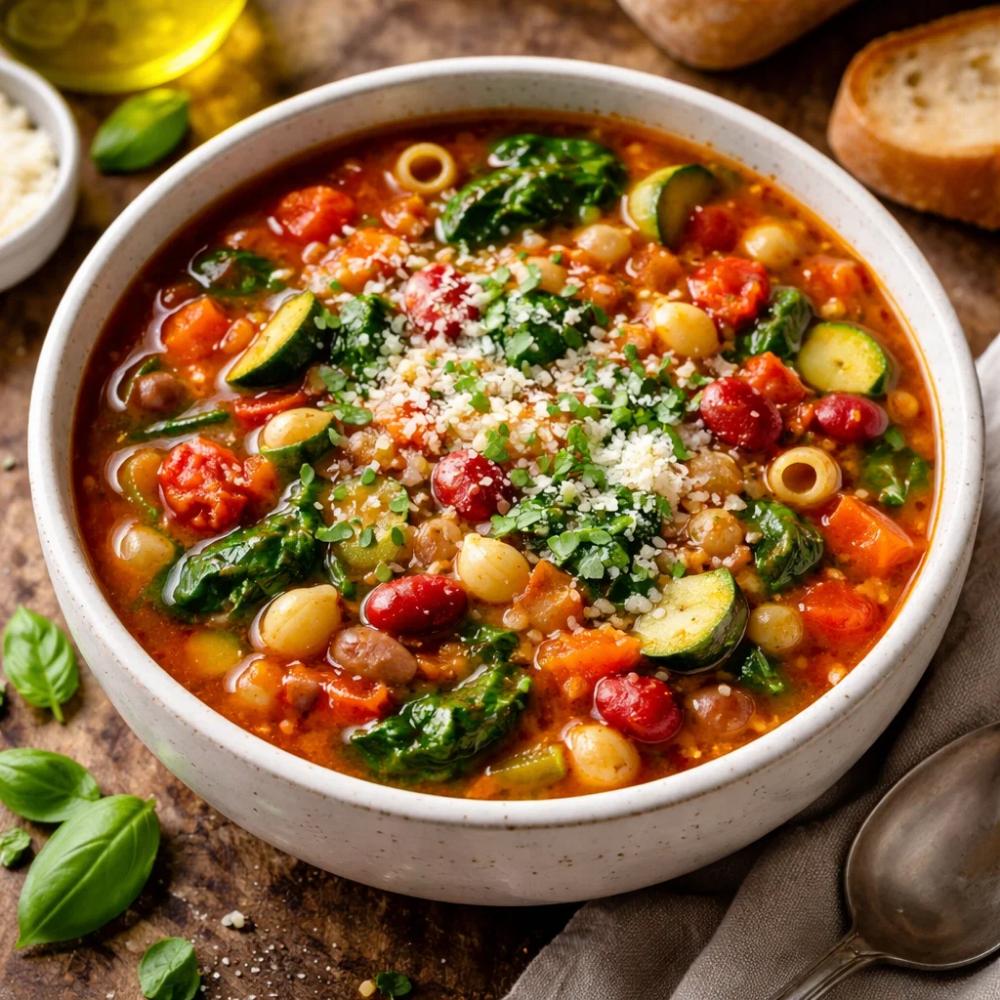
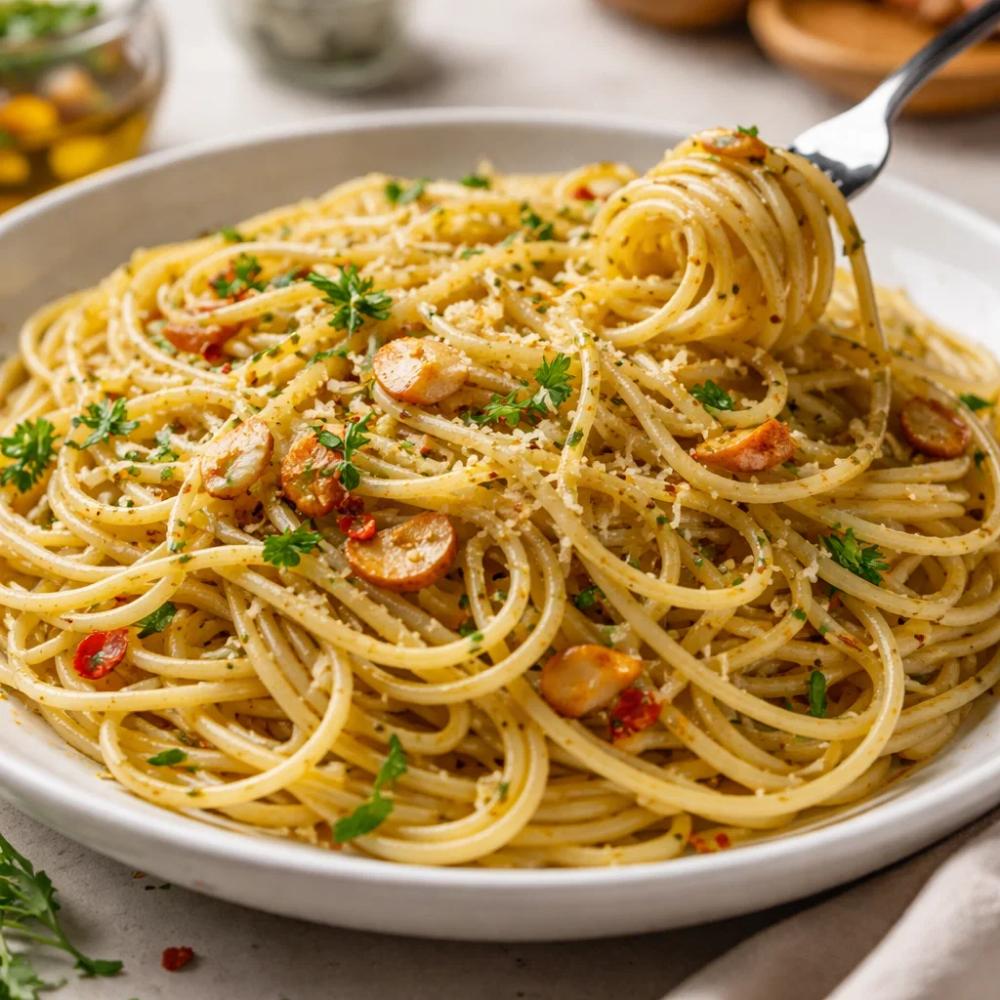
One Pot Pasta e Fagioli (Italian Bean and Pasta Soup)
A hearty, rustic Italian soup of creamy cannellini beans, tender pasta, and a rich tomato-rosemary broth. Everything cooks in one pot in under 40 minutes — cheap, filling, and deeply satisfying.
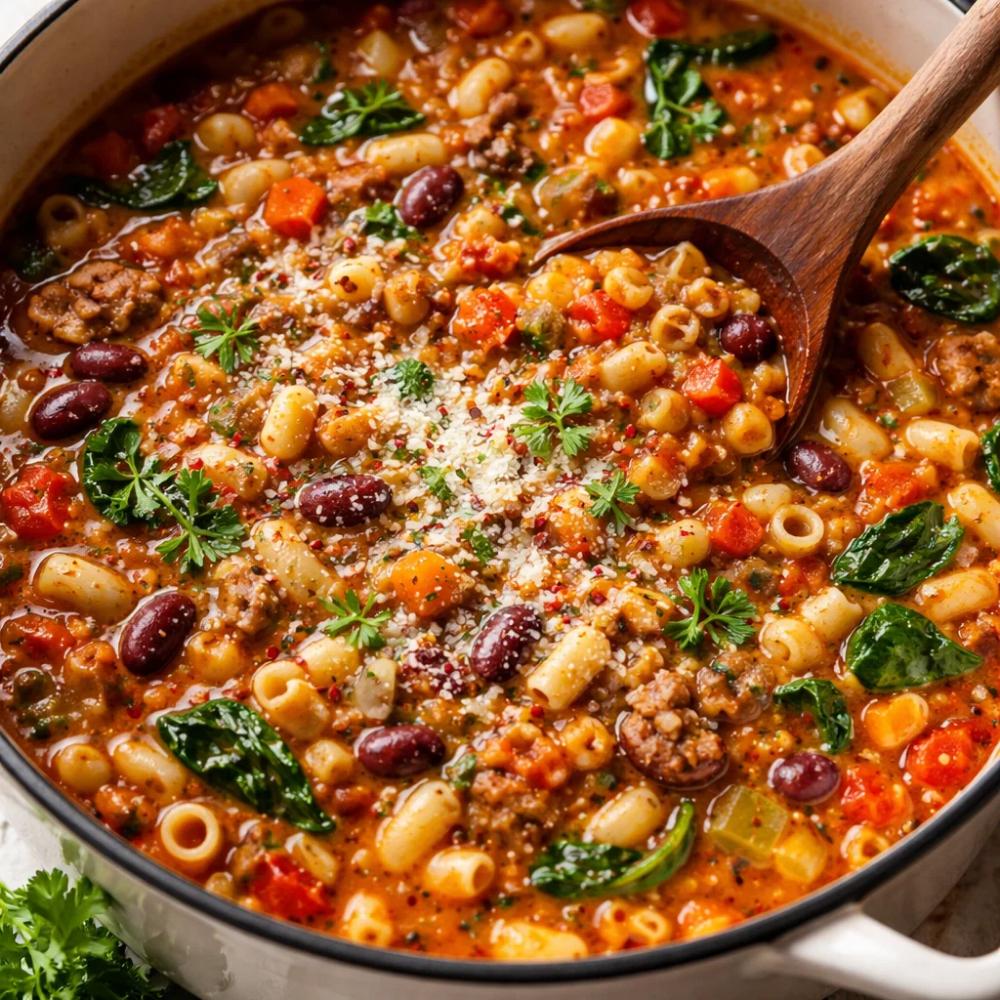
What is this dish?
Pasta e fagioli (pronounced 'pasta eh fa-joh-lee') is one of Italy's most beloved peasant dishes — a thick, hearty soup of pasta and beans in a flavourful tomato and rosemary broth. Dating back centuries, this 'cucina povera' (poor kitchen) dish was born out of necessity, using inexpensive, shelf-stable ingredients to create something deeply nourishing. Today it appears on trattoria menus across Italy and remains a staple of Italian home cooking precisely because it delivers extraordinary flavour for almost no cost.
Why you'll love it
This recipe delivers restaurant-quality depth from a handful of pantry staples costing under £4. The combination of creamy cannellini beans, sweet soffritto vegetables, sharp tomato, and aromatic rosemary creates a layered flavour that tastes as though it has been simmering for hours. Everything cooks in a single pot, the pasta cooks directly in the broth, and the whole dish comes together in 40 minutes. It is the ultimate budget comfort food.
When to serve
Pasta e fagioli is perfect for cold weeknight dinners when you want something warming, filling, and fast. It makes an excellent lunch the next day — the flavours deepen overnight. Serve it as a starter in smaller portions at an Italian dinner, or as a main course with crusty ciabatta and a green salad.
Quick tips
Build a proper soffritto by cooking the onion, celery, and carrot slowly — this is the flavour foundation. Mash some beans for creaminess. Cook the pasta directly in the broth. Always finish with a drizzle of raw extra virgin olive oil in each bowl.
Cannellini Beans
Mild, creamy white beans that are the backbone of this soup. They provide plant-based protein, fibre, and a starchy creaminess when partially mashed. Canned beans work excellently and make this a quick weeknight meal.
Soffritto (Onion, Celery, Carrot)
The aromatic base of Italian cooking — these three vegetables, slowly cooked in olive oil until soft and sweet, build the foundational flavour that makes this simple soup taste complex and deeply developed.
Rosemary
A single sprig of fresh rosemary simmered in the broth adds the unmistakable piney, resinous fragrance that defines the Italian character of this soup. Remove before serving — cooking it whole prevents the flavour from becoming overpowering.
Ditalini Pasta
Small, tube-shaped pasta that fits on a spoon with the beans. It cooks directly in the broth, absorbing flavour and releasing starch that thickens the soup naturally.
Tomato Paste
Briefly caramelised in the pot before the liquid is added, tomato paste provides concentrated umami depth and colour that a can of tomatoes alone cannot replicate.
Substitution Options
Borlotti or navy beans can replace cannellini — both are traditional in different regional versions. Chicken stock can replace vegetable stock for more depth if not making a vegan version. Thyme can replace rosemary for a different aromatic profile. Fresh tomatoes (3 medium, chopped) can replace canned. For gluten-free, omit the pasta and add extra beans, or use certified gluten-free pasta.
Step-by-Step Instructions
Soften the vegetables
Heat 2 tablespoons of olive oil in a large pot or Dutch oven over medium heat. Add the diced onion, celery, and carrot. Cook for 7–8 minutes, stirring occasionally, until soft and lightly golden. Add the minced garlic, rosemary sprig, and chilli flakes. Cook for 1 minute until fragrant.
Pro Tips:
- •This soffritto base is the flavour foundation of the soup — don't rush it.
- •A pinch of chilli flakes adds a subtle background warmth without making the soup spicy.
Add tomato and beans
Add the tomato paste and stir into the vegetables. Cook for 2 minutes, letting it caramelise slightly against the bottom of the pot. Pour in the crushed tomatoes and stir well. Add the drained cannellini beans and pour in the vegetable stock. Season with 1 teaspoon salt and 1/2 teaspoon black pepper. Bring to a gentle boil.
Pro Tips:
- •Cooking the tomato paste briefly deepens its flavour and removes the raw taste.
- •For a creamier soup, mash about a quarter of the beans with the back of a spoon at this stage.
Simmer and add pasta
Reduce to a steady simmer and cook for 10 minutes to let the flavours develop. Remove and discard the rosemary sprig. Add the pasta directly to the pot and cook, stirring often, for 8–10 minutes or until the pasta is just tender. The soup will thicken substantially as the pasta absorbs liquid — add a splash of hot water if it becomes too thick.
Pro Tips:
- •Stir frequently once the pasta is added to prevent sticking to the base.
- •Cook the pasta slightly less than al dente — it continues cooking in the hot broth even off the heat.
Finish and serve
Taste and adjust seasoning. Ladle into warm bowls. Finish each bowl with a generous drizzle of good extra virgin olive oil and a crack of black pepper. Serve with grated Parmesan or Pecorino at the table alongside crusty bread.
Pro Tips:
- •The finishing drizzle of raw olive oil is not optional — it transforms the soup from good to extraordinary.
- •Let the soup rest for 5 minutes off the heat before serving — the flavours deepen noticeably.
Chef's Tips
Techniques that separate good from great
Add a Parmesan rind to the simmering broth
A saved Parmesan or Pecorino rind dropped into the broth while simmering slowly releases glutamates and a mild dairy richness that transforms the soup's body. It is the single ingredient that most distinguishes a restaurant-quality pasta e fagioli from a home version. Keep rinds in the freezer and use them in any long-cooked soup or braise.
Mash one-third of the beans for a naturally creamy body
Before adding the pasta, use the back of a wooden spoon to crush roughly a third of the beans against the pot wall. This releases their starch directly into the broth, creating a thick, creamy consistency without adding any cream or thickener. The remaining whole beans provide texture contrast.
Cook the pasta in the soup, not separately
Cooking the pasta directly in the broth rather than boiling it separately releases surface starch that thickens the soup and coats every piece of pasta with flavour. The pasta absorbs the seasoned broth as it cooks, creating an integrated dish rather than two separate components combined at the last moment.
Finish with raw olive oil — it is not decoration
The raw drizzle of good extra virgin olive oil added to each bowl just before serving is a fundamental technique in Italian bean soups. The heat of the soup gently warms the oil, releasing its fresh, grassy flavour compounds that cooking destroys. This finishing layer is what gives the soup its characteristic Italian richness and fragrance.
Nutrition Facts
Equipment Needed
- Large pot or Dutch oven (at least 4-litre capacity)
- Wooden spoon or spatula
- Knife and cutting board
- Measuring cups and spoons
- Ladle
Quick Tips
- Use dried beans soaked overnight and boiled until tender for the most flavourful version — but canned beans make this a fast weeknight meal without compromise.
- The soup thickens significantly as it sits. Leftovers will need a generous splash of water when reheating.
- A Parmesan rind added to the broth while simmering adds extraordinary depth — save rinds in your freezer for exactly this purpose.
Recipe Variations
Different ways to make this dish your own
Pasta e Fagioli with Pancetta
Fry 80g of diced pancetta or guanciale in the pot before adding the soffritto. The rendered pork fat and salty, savory pancetta add a meaty richness that is the most popular non-vegan version of this soup across Italy.
Minestrone-Style Pasta e Fagioli
Add 1 diced courgette, a handful of green beans, and 1 diced potato along with the canned tomatoes for a heartier, more vegetable-forward version that bridges pasta e fagioli and classic minestrone.
Spicy Pasta e Fagioli (Arrabiata Style)
Double the chilli flakes and add 1 teaspoon of smoked paprika for a bold, fiery version. The heat works beautifully with the creamy beans and provides excellent warmth on cold days.
Tuscan White Bean Soup (Without Pasta)
Omit the pasta entirely and increase the beans to 3 cans. Blend half the soup for a thick, velvety white bean soup finished with a generous pour of Tuscan olive oil — the elegant stripped-back version.
What to Serve With
Perfect pairings to complete the meal
Crusty Ciabatta or Sourdough
Thick slices of crusty bread for dunking into the thick broth are non-negotiable. The bread soaks up the flavourful soup and provides textural contrast to the soft beans and pasta.
Grated Pecorino or Parmesan
A generous grating of aged cheese over the hot soup adds a salty, umami-rich finish. Pecorino gives a sharper result; Parmesan is milder and nuttier.
Drizzle of Extra Virgin Olive Oil
The most important finishing touch — a tablespoon of good raw olive oil poured into the bowl just before serving adds fresh, grassy fragrance that transforms the dish.
Simple Green Salad
A lightly dressed rocket or mixed leaf salad serves as a fresh, bitter counterpoint to the hearty, warming soup.
Storage & Make-Ahead
Keep it fresh and plan ahead
Refrigerator
Store in an airtight container for up to 4 days. The pasta will continue absorbing broth — add water or stock when reheating to restore the original consistency.
Freezer
Freeze the soup without pasta for best results — the pasta becomes mushy after freezing. Add freshly cooked pasta when reheating from frozen. Keeps for up to 3 months.
Make-Ahead
The bean and broth base can be made 2 days ahead and refrigerated. Cook the pasta fresh when ready to serve for the best texture.
Reheating
Reheat gently in a saucepan over medium heat with a splash of water or stock, stirring regularly. The soup will have thickened considerably — adding liquid gradually while stirring restores the original soup consistency.
Be the first to review this recipe!
Got Leftovers?
Turn what you already have in your fridge into delicious meals. Our AI-powered generator creates personalized recipes from your ingredients.
You Might Also Like
Discover more delicious recipes similar to what you're cooking