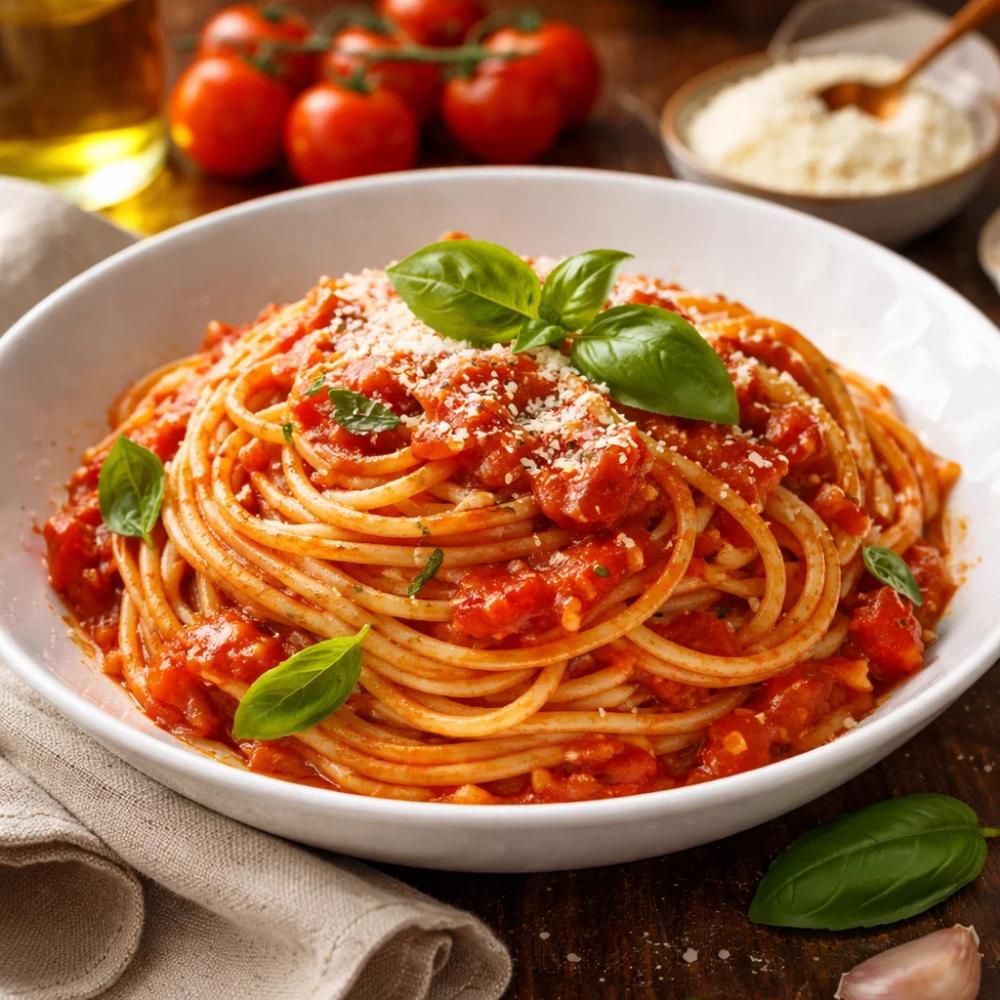
Spaghetti Aglio e Olio (Garlic and Olive Oil Pasta — 4 Ingredients)
Rome's simplest pasta: spaghetti tossed in golden garlic-infused olive oil with chilli and parsley. Four ingredients, 20 minutes, zero compromise on flavour.
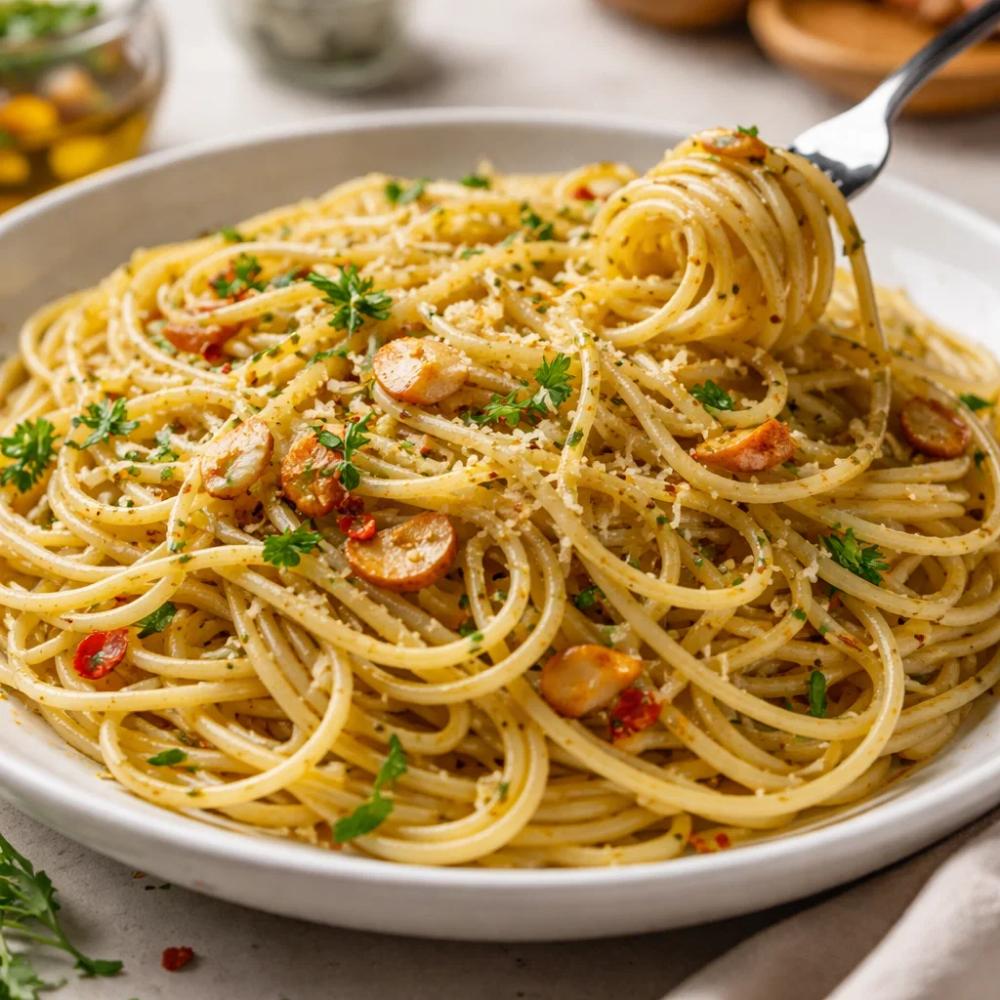
What is this dish?
Spaghetti aglio e olio (pronounced 'ah-lyoh ay oh-lyoh') translates directly as 'spaghetti with garlic and oil' — and that description is not diminishing a thing. It is one of the great pasta dishes of southern Italy, beloved across Naples and Rome as a late-night staple and a test of true technique. With just spaghetti, garlic, olive oil, chilli, and parsley, there is no sauce to mask errors and no complexity to distract from the craft.
Why you'll love it
This pasta costs almost nothing, requires four ingredients you likely have right now, and is ready in 20 minutes. When the technique is correct — garlic gently coaxed to pale gold in olive oil, pasta water emulsified into a glossy coating — the result is quietly extraordinary. It is the benchmark dish that distinguishes those who understand Italian cooking from those who don't.
When to serve
Aglio e olio is traditionally a midnight pasta in Naples — served after a night out when the restaurants have closed and your only option is what's in the pantry. It works equally well as a fast weeknight dinner, an elegant minimal starter, or a post-theatre supper. It must be eaten immediately.
Quick tips
The heat under the garlic must be as low as possible — patience is the skill here. Save a generous amount of pasta water. Toss vigorously to emulsify. Use the best olive oil you own. Serve immediately.
Extra Virgin Olive Oil
The sauce itself — with only four ingredients, the quality of the olive oil is directly perceivable in the finished dish. A grassy, peppery southern Italian extra virgin olive oil produces a completely different result from a generic supermarket blend. Use the best you have.
Garlic
Sliced thin and cooked at the lowest possible heat until pale golden — not minced, not browned, not burnt. This careful, slow cooking transforms raw garlic's harsh bite into a sweet, nutty, mellow savouriness that infuses the entire oil.
Chilli Flakes
A small amount of dried chilli adds a pleasant background warmth and the faint note of pepperiness that defines the Neapolitan version. The heat level is adjustable — use more or less according to your preference.
Flat-Leaf Parsley
Added raw off the heat, parsley provides fresh colour and a herbal brightness that cuts through the richness of the olive oil. Use flat-leaf rather than curly parsley for a more pronounced, less bitter flavour.
Substitution Options
Bucatini or linguine can replace spaghetti — any long pasta works. Fresh chilli can replace dried chilli flakes for a sharper, fruitier heat. Add a few anchovies to the oil with the garlic for a deeply savoury, umami-rich version (the anchovies melt completely into the oil). For a nutty variation, add toasted breadcrumbs (pangrattato) instead of Parmesan.
Step-by-Step Instructions
Cook the spaghetti
Bring a large pot of water to a rolling boil. Add a generous amount of salt — it should taste pleasantly salty like the sea. Add the spaghetti and cook according to package directions until al dente, usually 8–10 minutes. Before draining, reserve at least 1 full cup (240ml) of pasta cooking water. Drain the pasta but do not rinse.
Pro Tips:
- •The starchy pasta water is the emulsifier that binds the oil and water into a silky sauce — don't forget to save it.
- •Cook the pasta 1 minute less than the package suggests if you'll be finishing it in the pan.
Slowly infuse the garlic in oil
While the pasta cooks, place a large skillet over the lowest possible heat. Add the 100ml of olive oil and the thinly sliced garlic. Cook extremely gently, stirring occasionally, for 8–10 minutes. The garlic should gradually turn very pale golden — not brown, not burnt. This slow infusion is the heart of the dish. Add the chilli flakes in the last 2 minutes.
Pro Tips:
- •Low and slow is non-negotiable. Golden garlic is sweet and nutty; brown garlic is bitter; burnt garlic destroys the dish.
- •Sliced garlic (not minced) infuses more gently and gives a different, less harsh flavour than minced garlic.
Finish the pasta in the sauce
Transfer the drained spaghetti directly to the skillet with the garlic oil. Increase heat to medium. Add 4–6 tablespoons of the reserved pasta water and toss vigorously using tongs for 1–2 minutes. The starchy water and olive oil will emulsify into a glossy, light sauce that coats every strand. Add more pasta water a tablespoon at a time if needed. The sauce should be glossy and barely coating, not pooling at the bottom.
Pro Tips:
- •Tossing vigorously creates the emulsion — this is the technique, not just mixing.
- •Add pasta water gradually — you can always add more but can't remove it.
Add parsley and serve
Remove from heat. Add the roughly chopped parsley and toss once more. Divide between warm plates. Finish with a pinch of flaky sea salt, a generous grinding of black pepper, and an optional final drizzle of raw olive oil.
Pro Tips:
- •Adding parsley off the heat preserves its fresh, bright flavour and vivid green colour.
- •Warm the plates beforehand — this pasta cools quickly and benefits from a warm surface.
Chef's Tips
Techniques that separate good from great
Cook the garlic as slowly as you possibly can
The difference between passable and extraordinary aglio e olio is entirely in how the garlic is cooked. The garlic must be cooked so slowly that it sweetens and turns pale gold over 8–10 minutes, not sautéed quickly to brown. Properly cooked garlic is sweet, nutty, and mellow; quickly browned garlic is harsh and bitter. Keep the heat at its absolute minimum.
Reserve a full cup of pasta water and use it aggressively
The only way to create the emulsified, glossy coating that distinguishes aglio e olio from 'pasta with oil on it' is to vigorously toss the pasta with significant quantities of starchy pasta water and olive oil. Use a minimum of 4–6 tablespoons, tossing constantly. The starch from the pasta water acts as an emulsifier, binding the oil and water into a unified, silky sauce.
Use sliced garlic, not pressed or minced
Whole sliced garlic cloves cook more slowly and evenly in oil than minced garlic, which burns in seconds. The larger surface area of a thin slice also produces a gentler infusion — the oil picks up the garlic's sweetness and aroma without the harsh allicin compounds that raw or quickly cooked minced garlic releases.
Finish with raw olive oil in the bowl
Even after using 100ml of oil to infuse the garlic, adding a small drizzle of raw, uncooked olive oil to each bowl just before serving adds a layer of fresh, grassy olive oil flavour that the cooked oil cannot provide. Cooking destroys the volatile aroma compounds in olive oil — raw oil preserves them.
Nutrition Facts
Equipment Needed
- Large pot (for pasta)
- Large skillet or frying pan
- Tongs
- Heatproof measuring cup (for pasta water)
- Colander
- Knife and cutting board
Quick Tips
- The quality of the olive oil matters enormously here — with only four ingredients, there is nowhere for inferior oil to hide. Use the best extra virgin olive oil you own.
- Slice the garlic, don't mince it. Sliced garlic infuses into oil more gently and produces a more rounded, less sharp flavour than minced garlic.
- Never drain the pasta and let it sit — transfer it directly from the pot to the skillet while it is still very hot, so it finishes cooking in the garlic oil.
Recipe Variations
Different ways to make this dish your own
Aglio e Olio con Acciughe (with Anchovies)
Add 4–5 anchovy fillets to the oil alongside the garlic. The anchovies dissolve completely into the oil as they cook, adding an extraordinary savoury depth without any fishiness. The most popular enhanced version.
Aglio e Olio with Pangrattato (Crispy Breadcrumbs)
Toast 3 tablespoons of coarse breadcrumbs in olive oil with a pinch of garlic until golden and crunchy. Scatter over the finished pasta instead of or alongside parsley. The crispy, garlicky crumbs add texture and a savoury depth — the traditional poor-man's alternative to cheese.
Aglio e Olio with Cherry Tomatoes
Blister 200g of cherry tomatoes in a dry pan until they collapse and char slightly. Add to the pasta with the parsley. The sweet, acidic tomatoes balance the richness of the oil and create a bridge between aglio e olio and pasta al pomodoro.
Aglio e Olio with Prawns
Add 200g of raw peeled king prawns to the garlic oil 2 minutes before it is ready. Cook until just pink and just cooked through. The prawn juices meld with the garlic oil into a deeply savoury sauce.
What to Serve With
Perfect pairings to complete the meal
Simple Rocket and Lemon Salad
A handful of rocket dressed with lemon juice and olive oil provides a clean, peppery, acidic contrast to the rich garlic oil pasta.
Dry Italian White Wine (Falanghina or Vermentino)
A crisp, mineral southern Italian white wine is the natural partner — its acidity and citrus notes cut through the olive oil and cleanse the palate.
Crusty Italian Bread
A piece of crusty bread alongside for mopping up any remaining garlic oil from the bowl is entirely appropriate and highly recommended.
Grated Pecorino (optional)
Pass Pecorino Romano at the table for those who want it — keep it optional as the purist version is vegan and excellent without cheese.
Storage & Make-Ahead
Keep it fresh and plan ahead
Refrigerator
Store leftovers in an airtight container for up to 2 days. The pasta will absorb most of the oil as it cools.
Freezer
Not recommended — the texture of the pasta deteriorates and the emulsified sauce separates on thawing.
Make-Ahead
Nothing can be prepared meaningfully ahead — aglio e olio is made and eaten immediately. The garlic can be sliced in advance and stored refrigerated for a few hours.
Reheating
Reheat gently in a pan with 1–2 tablespoons of olive oil and a splash of water, tossing constantly over low heat. The emulsified sauce will not return to its original glossy state but the reheated result is still enjoyable.
Be the first to review this recipe!
Got Leftovers?
Turn what you already have in your fridge into delicious meals. Our AI-powered generator creates personalized recipes from your ingredients.
Browse more like this:
You Might Also Like
Discover more delicious recipes similar to what you're cooking