Sangria
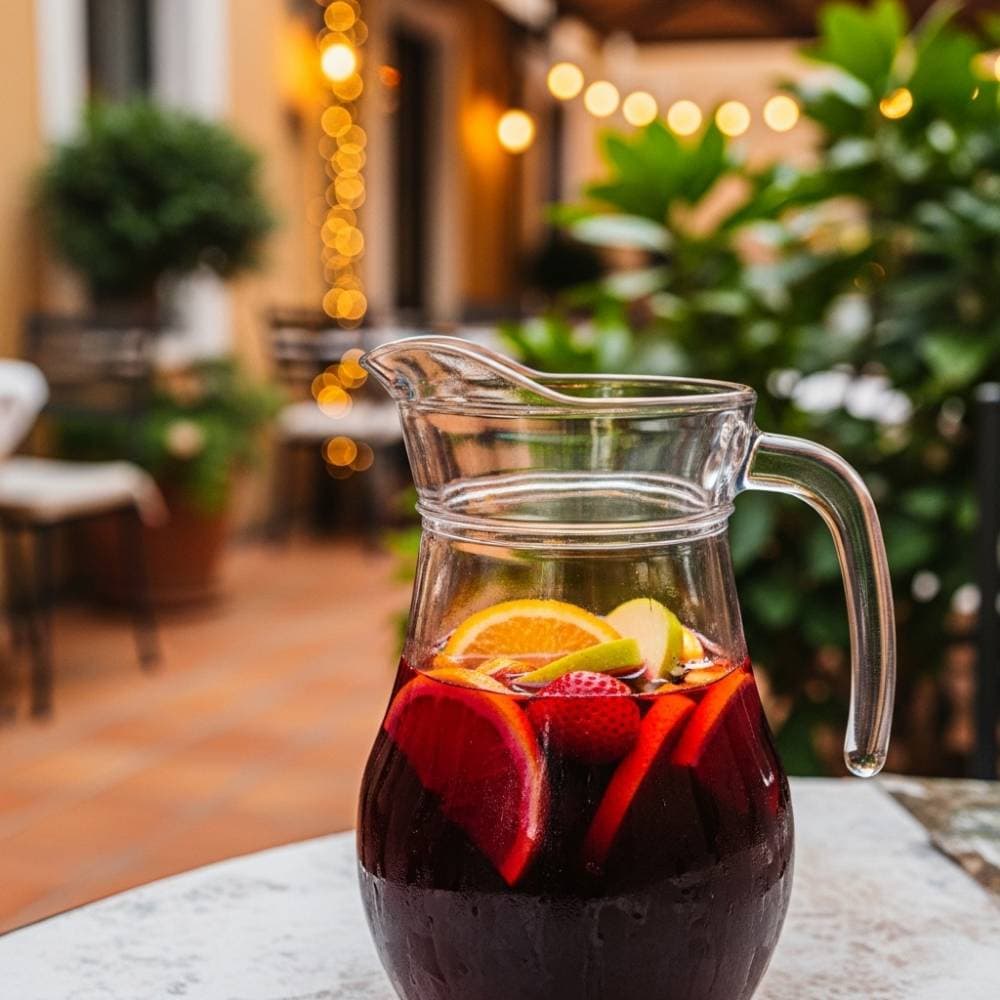
A festive and fruit-filled wine punch originating from Spain and Portugal, Sangria is a refreshing mix of red or white wine, chopped fresh fruit, a sweetener, and often a splash of brandy or liqueur, prepared in advance to allow flavors to meld.
Prep Time
15 min
ABV
8-12% ABV
Servings
Flavor Profile
The Quick Answer
Sangria works as a vehicle: the wine, brandy, and sugar pull color and flavor out of the fruit while the fruit soaks up the booze, so what you choose and how you cut it matters more than its base price. A modestly priced dry red carries it well, and the fruit becomes a boozy treat in its own right.
Can I use cheap wine for sangria, or does it need to be good?
Inexpensive wine is fine, and often the smart choice, because sangria is a flavored, sweetened, fruit-infused punch rather than a showcase for a wine's subtle character. The added sugar, orange juice, brandy, and hours of fruit maceration completely reshape the base, so the delicate aromatics you would pay for in a fine bottle get buried anyway. What you do need is a dry, fruit-forward red with decent acidity and tannin, like a young Tempranillo or Garnacha, since those give the structure that keeps the punch from collapsing into syrup. Avoid anything heavily oaked or already off-dry; harsh, oxidized, or flawed wine, on the other hand, will still taste flawed no matter how much fruit you add.
Why does sangria need to sit for hours before serving?
The resting time lets two slow exchanges happen. Through osmosis and diffusion, the wine, brandy, and sugar draw juice and aromatic compounds out of the orange, lemon, apple, and seasonal fruit, while the fruit simultaneously soaks up the alcohol and wine. Alcohol is also an effective solvent for the fruit's flavor and color compounds, pulling them into the liquid over time. Two to four hours begins the meld, but overnight gives the tannins in the red wine time to soften against the fruit sugars and acids, rounding the whole punch. Serve it straight from the wine without the rest period and you get separate layers of harsh wine and barely infused fruit rather than one integrated drink.
Not sure what to cook next? Let the generator pick your next dish in one click.
Random Recipe GeneratorWhat is this drink?
Sangria is Spain's iconic fruit-filled wine punch, with roots going back to Roman times when wine was mixed with fruit to make it safer to drink. Today it's a pitcher drink of red (or white) wine, brandy, fresh fruit, and a sweetener that's meant to be made ahead and shared.
Why you'll love it
It's festive, forgiving, and deeply satisfying — the overnight rest lets the wine, brandy, and fruit meld into something greater than the sum of its parts, and it's virtually impossible to make badly.
When to serve
Ideal for large outdoor gatherings, Spanish-themed dinners, summer parties, or any occasion where you need a crowd-pleasing pitcher drink that's better made the day before.
Pro tip
Make your Sangria at least 4 hours ahead — overnight is ideal. The longer the fruit soaks, the deeper and more complex the flavor becomes.
Dry Red Wine (Tempranillo or Garnacha)
The foundation — a fruity, mid-bodied Spanish red provides the best base, as it mingles beautifully with the fruit without overpowering it.
Brandy or Orange Liqueur
The fortifying agent that adds warmth, depth, and an alcoholic backbone to the fruit-infused wine.
Fresh Seasonal Fruit
Oranges, lemons, apples, and berries slowly infuse their flavor and sweetness into the wine overnight — they're as important as any liquid ingredient.
Swap Options
White wine makes a refreshing 'White Sangria.' Rosé creates a lighter, more floral version. For a non-alcoholic Sangria, substitute grape juice and omit the brandy, adding a splash of sparkling water before serving.
You'll likely need to buy
Likely in your pantry
Directions
Step 1
Prepare fruit
Wash and thinly slice 1 orange and 1 lemon. Core and chop 1 apple into bite-sized pieces. Chop 1 cup (240 ml) of additional seasonal fruit (e.g., berries, peaches).
Pro Tip
- →Cut fruit into manageable pieces for serving in a glass. Feel free to use a variety of fruits you enjoy.
Step 2
Combine ingredients
In a large pitcher, combine the sliced and chopped fruit, 1 (750 ml) bottle dry red wine, 0.25 cup (60 ml) brandy or orange liqueur, 2 tablespoons (30 ml) granulated sugar, and 0.5 cup (120 ml) orange juice.
Pro Tip
- →Adjust sugar to your sweetness preference and the sweetness of your fruit/wine.
Step 3
Stir and chill
Stir well to dissolve the sugar. Cover the pitcher and refrigerate for at least 2-4 hours, or preferably overnight, to allow the flavors to meld.
Pro Tip
- →Chilling is crucial for flavor infusion. The longer it chills, the better the flavors will combine.
Step 4
Serve
Just before serving, stir the sangria again. If desired, top with 0.25 cup (60 ml) sparkling water or club soda for extra fizz. Serve over 1 serving of ice in individual wine glasses, ensuring each glass gets plenty of fruit.
Pro Tip
- →Add sparkling water just before serving to maintain its fizziness. Do not add ice to the pitcher, as it will dilute the sangria.
Different ways to make this drink your own
White Sangria
Replace the red wine with a crisp Verdejo, Albariño, or dry Pinot Grigio and use peaches, white grapes, and cucumber as the fruit. The result is a lighter, more refreshing drink that's perfect for warm summer afternoons.
Rosé Sangria
Use a dry Provençal rosé as the base and add strawberries, raspberries, and watermelon for a beautiful pink-hued sangria with a floral, berry-forward character. More elegant and delicate than the classic red version.
Sparkling Sangria
Prepare the base as normal but top each serving with chilled cava or sparkling water instead of still liquid. The effervescence lightens the richness of the wine and brandy and makes the drink feel particularly festive.
Tools that make this drink come together
Large Pitcher or Jug
A 1.5 to 2 litre glass pitcher is ideal for sangria — it allows the fruit, wine, and brandy to macerate together overnight and makes serving large groups straightforward and visually impressive.
Wooden Spoon or Long Bar Spoon
Used to gently stir the sangria and combine the ingredients without bruising the fruit. Stirring briefly before serving redistributes the brandy and juice that settles at the bottom during refrigeration.
Sharp Knife and Chopping Board
Essential for slicing oranges, lemons, apples, and other fruit into attractive rounds and wedges. Thin slices absorb the wine more quickly; thicker pieces look more impressive when serving.
Can't Find These?
Any large bowl or pot works for macerating the sangria overnight — just cover with clingfilm. Transfer to whatever jug you have for serving. A ladle or large spoon works well for portioning fruit-laden servings into glasses.
The right glass makes a real difference
Large Wine Glass or Goblet
Sangria is served in a large, generous wine glass or a goblet that shows off the vibrant red colour and the colourful fruit floating within. The wide mouth of a wine glass makes it easy to scoop fruit into the glass alongside the liquid. For a more rustic, Spanish aesthetic, earthenware tumblers are traditional in Spain itself.
Alternatives
A tall tumbler or highball glass works perfectly for a casual, informal serve. Spanish-style terracotta cups give authentic character. For a party, use a wide wine glass so guests can easily fish out the fruit with their drink. Avoid champagne flutes — too narrow for sangria's generous fruit garnish.
Perfect food pairings to complete the experience
Patatas Bravas
Crispy fried potatoes with a spicy tomato sauce are the quintessential Spanish bar snack. The bold, savoury flavours of the patatas bravas complement the fruity, wine-forward sangria without overwhelming it.
Jamón Ibérico and Manchego
Thinly sliced cured ham alongside cubes of aged Manchego cheese is a classic Spanish pairing for wine. The saltiness and nuttiness of both cheeses make each sip of sangria taste brighter and more refreshing.
Grilled Prawns with Garlic
Juicy, garlic-butter-basted prawns cooked on a plancha or griddle pair beautifully with sangria's fruity acidity. A simple, summery dish that's typical of Spanish coastal cuisine.
Pan con Tomate
Toasted sourdough rubbed with ripe tomato, good olive oil, and flaky sea salt is one of the simplest and most satisfying Spanish tapas. Its fresh, savoury character is an ideal backdrop for the fruity richness of sangria.
Prep in advance for effortless serving
Prepare the Night Before
Sangria genuinely improves with time — combining the red wine, brandy, orange juice, sugar, and fruit at least 8 hours before serving allows the flavours to meld and the fruit to infuse into the wine. Day-of sangria lacks depth and complexity.
Add Fizz Just Before Serving
If using sparkling water or cava to top the sangria, add it only when pouring individual glasses rather than directly into the pitcher. Pre-mixed sparkling liquid goes flat within hours, robbing the drink of its refreshing lift.
Use Firm Fruit
Choose firm, slightly underripe fruit that won't disintegrate overnight. Soft berries can be added a couple of hours before serving for colour and flavour without turning mushy. Remove very soft fruit before serving if it has broken down.
Chill Thoroughly
Sangria must be served well-chilled — refrigerate the pitcher for at least four hours before serving and keep it cold throughout. Warm sangria loses its refreshing character entirely. Serve over plenty of ice for the best experience in hot weather.
Common questions answered by our bartenders
Got Leftovers?
Turn what you already have in your fridge into delicious meals. Our AI-powered generator creates personalized recipes from your ingredients.
Browse more like this:
Please drink responsibly. All drink recipes are intended for those of legal drinking age in their country. TheRandomRecipe does not promote excessive alcohol consumption. Alcohol Responsibility Policy