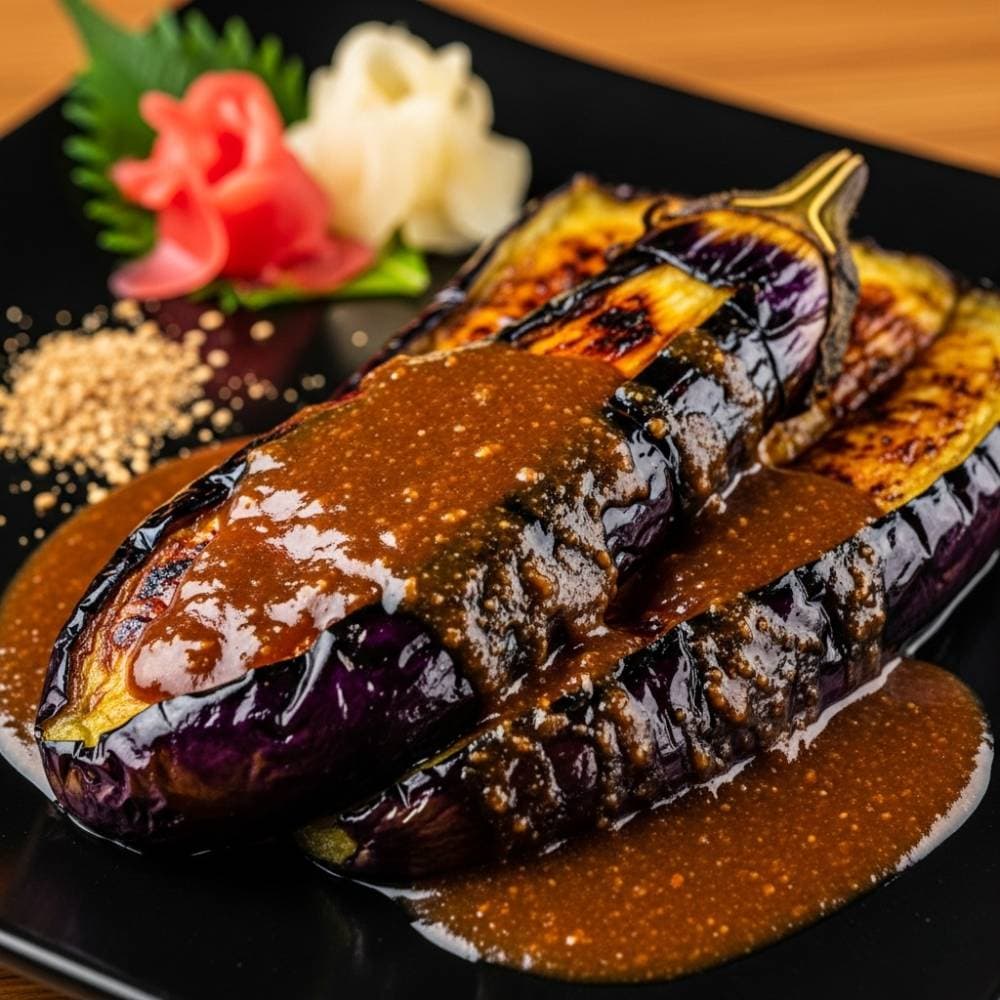
Miso Glazed Eggplant (Nasu Dengaku)
Tender eggplant halves brushed with a sweet and savory miso glaze, then baked or broiled until deeply caramelized and soft. A flavorful Japanese side dish or appetizer for two.
The Quick Answer
Nasu dengaku fails when the eggplant flesh stays spongy and oily or the miso glaze slides off without setting. The crosshatch scoring and a brief glaze simmer are what let the dense flesh take on flavor and the white miso lacquer cling instead of running.
Why does the crosshatch scoring matter for miso glazed eggplant?
Eggplant flesh is built from large, thick-walled cells that resist heat and seasoning at the surface. The shallow diagonal cuts do more than decorate: they sever those cell walls and roughly triple the exposed area, so heat penetrates from the scored grooves rather than only from the skin side, and the interior collapses into a custardy texture faster. The grooves also create tiny wells that trap the thick miso-mirin glaze, holding it against the surface during the broil instead of letting it bead and slide off the smooth, slick cut face. Cut only to about half the flesh depth; slicing through to the skin lets the half slump and lose its shape once the cells soften.
Why does my miso glaze slide off instead of clinging to the eggplant?
The recipe has you simmer the white miso, mirin, sake and sugar for a minute or two before brushing it on, and that step is about viscosity, not flavor. Raw, thinned miso is watery enough to run straight down the curved eggplant and pool on the parchment. Gently driving off some of the sake and mirin's water concentrates the paste and dissolves the granulated sugar, so the glaze thickens into a syrup that grips the warm, scored surface. Brush it on the already-baked, drained flesh rather than the raw half; a dry warm surface lets the glaze adhere, whereas a steaming raw cut weeps moisture that dilutes the coating and makes it slip.
Not sure what to cook next? Let the generator pick your next dish in one click.
Random Recipe GeneratorAbout This Recipe
What is this dish?
Miso-glazed eggplant (nasu dengaku, 茄子田楽) is a beloved Japanese preparation that transforms humble eggplant into an extraordinary dish through the application of a sweet-savory white miso glaze that caramelizes under the broiler into a glossy, umami-rich coating. Dengaku originally referred to tofu coated in miso and grilled over charcoal, but nasu (eggplant) dengaku has become one of the most iconic Japanese vegetable preparations.
Why you'll love it
Miso-glazed eggplant achieves an almost magical transformation: a vegetable that can seem bland or spongy becomes deeply savory, silky-soft inside, with a caramelized, slightly smoky miso crust that is addictive. The dish is naturally vegan and gluten-free (with tamari), requires minimal ingredients, and can be on the table in 30 minutes. The miso glaze alone is worth memorizing — it works on salmon, tofu, and other vegetables equally well.
When to serve
Serve as a stunning vegetable side dish for Japanese dinners, as a vegetarian main course over rice, as part of an izakaya-style appetizer spread, or as a component in a bento box. The eggplant is also excellent at room temperature.
Quick tips
Score the cut surface in a deep crosshatch pattern — this is essential for even cooking and helps the glaze penetrate. Brush lightly with oil before roasting. Watch the broiler carefully during the glazing phase — the miso can burn quickly. Let the eggplant cool slightly before serving as the flesh is extremely hot.
Ingredient Highlights
Japanese Eggplant (Nasu)
Smaller, thinner Japanese eggplant has more tender flesh with fewer seeds and a thinner skin than globe eggplant. Its subtle sweetness complements the miso glaze perfectly. Globe eggplant works but requires longer cooking and slicing into rounds rather than halving. Chinese eggplant is the closest substitute if Japanese is unavailable.
White Miso (Shiro Miso)
Shorter-fermented, lighter-colored, milder, and sweeter than red miso. White miso is ideal for the dengaku glaze because its sweetness caramelizes beautifully and its mild flavor doesn't overpower the delicate eggplant. Red miso can be used for a more intense, complex, saltier glaze — reduce the quantity by 25%.
Mirin
The sweetness counterpart to miso in the glaze. Mirin's complex sugar and alcohol content caramelizes at high heat to create the characteristic shiny, lacquered coating of dengaku. Without mirin, the glaze doesn't develop the same glossy, caramelized character. Substitute with sweet sherry or a mixture of sake and sugar.
Sesame Oil
Used in small amounts to brush the eggplant before roasting, sesame oil adds a nutty aromatic note that complements both the eggplant's sweetness and the miso's fermented depth. Toasted sesame seeds on top continue this sesame theme.
Substitution Options
Japanese eggplant can be replaced with Chinese eggplant (similar texture) or globe eggplant sliced into 1-inch rounds. White miso can be replaced with yellow miso (slightly more intense) or red miso in smaller quantity. Mirin can be replaced with 2 parts sake and 1 part sugar. For a gluten-free version, use tamari instead of any soy sauce and confirm the miso is gluten-free (some contain barley). The same glaze works beautifully on salmon, tofu, and cauliflower steaks.
You'll likely need to buy
Likely in your pantry
Step-by-Step Instructions
Prepare the eggplant
Preheat your oven to 400°F (200°C). Line a baking sheet with parchment paper. Wash the 1 large eggplant and slice it in half lengthwise. Score the cut sides of the eggplant flesh in a crosshatch pattern (cut shallow diagonal lines across it, without cutting through the skin). This helps the eggplant cook evenly and absorb the glaze. Brush the cut sides of the eggplant with 1 tablespoon vegetable oil and sprinkle lightly with 1/4 teaspoon salt. Place the eggplant halves cut-side down on the prepared baking sheet.
Chef's Tips
- ›Scoring helps the eggplant cook faster and soak up more flavor.
- ›Japanese eggplant is long and thin, while globe eggplant is rounder. Both work.
Bake the eggplant
Bake the eggplant for 15-20 minutes, or until the flesh is softened. This partially cooks the eggplant before glazing. If your eggplant is very thick, it may take a few minutes longer. The eggplant should be tender when pierced with a fork.
Chef's Tips
- ›Baking helps to tenderize the eggplant before applying the glaze.
- ›Do not overbake at this stage, as it will be cooked again.
Make the miso glaze
While the eggplant bakes, prepare the miso glaze. In a small saucepan or microwave-safe bowl, combine 2 tablespoons white miso paste (a fermented soybean paste), 1 tablespoon mirin (sweet Japanese cooking wine), 1 tablespoon sake (Japanese rice wine) or water, 1 tablespoon granulated sugar, and 1 teaspoon soy sauce (use tamari for gluten-free). Heat over medium-low heat or in the microwave until the sugar dissolves and the mixture is smooth. Simmer (cook gently just below boiling, with small bubbles) for 1-2 minutes until it slightly thickens. Mirin is a sweet Japanese cooking wine. Sake is Japanese rice wine. Simmer means to cook gently just below boiling, with small bubbles.
Chef's Tips
- ›Miso paste is a flavorful fermented soybean paste.
- ›Whisk well to ensure all ingredients are dissolved.
Glaze and finish eggplant
Remove the partially baked eggplant from the oven. Carefully flip the eggplant halves so the cut-side is facing up. Preheat your oven's broiler (the top heating element). Brush a generous layer of the prepared miso glaze over the cut surface of each eggplant half. Return the eggplant to the oven under the hot broiler for 3-5 minutes, watching very closely, until the glaze is bubbling, slightly caramelized (turned slightly sticky and browned), and lightly charred in spots. Broil means to cook food directly under a high heat source. Caramelized means turned slightly sticky and browned from cooking sugar.
Chef's Tips
- ›Watch the eggplant constantly under the broiler, as it can burn quickly.
- ›A golden, bubbly glaze is the goal.
Serve
Remove the Miso Glazed Eggplant from the oven. Garnish with 1 teaspoon toasted sesame seeds and 1 tablespoon thinly sliced green onions. Serve immediately as a side dish or light main course.
Chef's Tips
- ›Toasted sesame seeds add a nutty flavor and pleasant crunch.
- ›Green onions add a fresh, mild onion flavor.
Chef's Tips
Techniques that separate good from great
Score the eggplant in a deep crosshatch pattern before cooking — not just for decoration
The crosshatch scoring serves multiple purposes: it increases the surface area for oil penetration and glaze adhesion, it allows the eggplant to cook from the inside out more efficiently, and it creates natural pockets where the miso glaze pools during broiling. Cut at least 1/4 inch deep in a 1/2-inch crosshatch pattern.
Pre-roast the eggplant before glazing — the broiler alone isn't enough time
If you apply the miso glaze immediately and broil, the glaze will caramelize and potentially burn before the eggplant's interior becomes fully tender. Roasting first (or microwaving for 2-3 minutes) ensures the flesh is soft and silky before the glaze goes on. The broiler's job is only to caramelize the glaze — about 3-4 minutes.
Watch the broiler constantly during glazing — miso burns in under 1 minute if unattended
The sugars in miso and mirin caramelize rapidly under direct broiler heat. Position the rack 4-6 inches from the broiler element, check every 30 seconds, and remove immediately when the glaze is bubbling, browning, and caramelizing at the edges. Over-broiling turns the glaze from beautifully caramelized to bitter and burnt.
Let the broiled eggplant cool for 3-5 minutes before serving — the flesh is extremely hot
The eggplant holds heat intensely after broiling, and biting into it immediately can result in burns from the scalding interior. Rest for 3-5 minutes. The glaze also benefits from this resting time — it sets slightly and becomes glossier as the sugars cool.
Nutrition Facts
Per serving · Estimated values
* Estimated per serving based on a 2,000 calorie diet.
Equipment Needed
- Baking sheet
- Parchment paper
- Small saucepan or microwave-safe bowl (for glaze)
- Pastry brush
- Measuring cups
- Measuring spoons
- Knife and cutting board
As an Amazon Associate we earn from qualifying purchases — at no extra cost to you.
Quick Tips
- White miso paste is milder and sweeter, while red miso is saltier and more robust. Choose based on your preference.
- If you do not have sake, dry white wine or just water can be used, though sake adds an authentic touch.
- This dish pairs wonderfully with steamed rice or as part of a larger Japanese meal.
Recipe Variations
Different ways to make this dish your own
Dengaku Tofu
Apply the same miso glaze to firm tofu blocks (pressed dry) and broil identically. Tofu dengaku is equally delicious and was historically the original dengaku preparation.
Miso-Glazed Salmon
Apply the dengaku glaze to salmon fillets and broil for 4-5 minutes until the glaze caramelizes and the salmon is just cooked through. One of the most famous Japanese-inspired preparations in Western fine dining.
Red Miso Dengaku (Aka Dengaku)
Use red miso instead of white for a darker, more intensely flavored, saltier glaze. Red miso dengaku is more common in Kyoto and parts of Eastern Japan. Reduce the miso quantity by 25% due to higher salt content.
Dengaku with Yuzu Kosho
Mix a small amount of yuzu kosho (a Japanese condiment of yuzu citrus peel, chili, and salt) into the miso glaze for a bright, citrusy, spicy variation that pairs exceptionally well with eggplant.
What to Serve With
Perfect pairings to complete the meal
Over Steamed Japanese Rice as a Vegetarian Main
Serve two halves of glazed eggplant over steamed short-grain rice with toasted sesame seeds and a sprinkling of sliced scallions for a complete vegetarian Japanese meal.
As Part of a Japanese Appetizer Spread
Arrange nasu dengaku alongside edamame, agedashi tofu, cucumber sunomono (vinegar salad), and chilled sake for a Japanese izakaya-style appetizer spread.
In a Bento Box
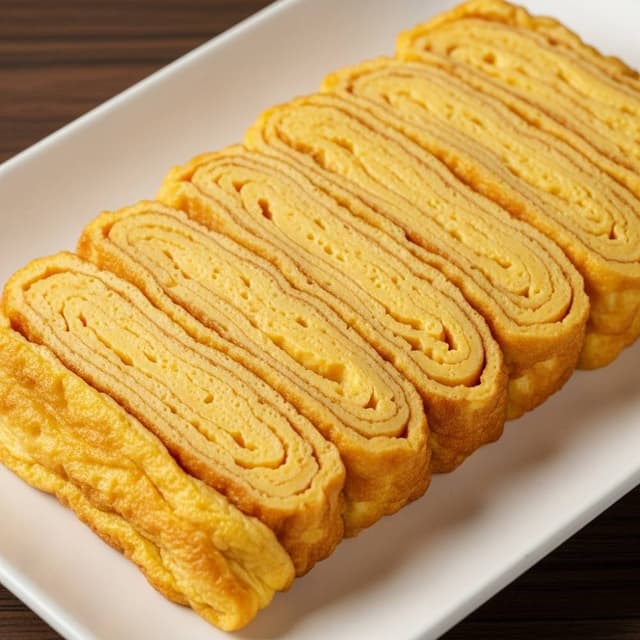
Miso-glazed eggplant is excellent at room temperature and holds up well in a bento box. Pack alongside onigiri (rice balls), tamagoyaki, and pickled vegetables.
Alongside Grilled Salmon or Soba Noodles
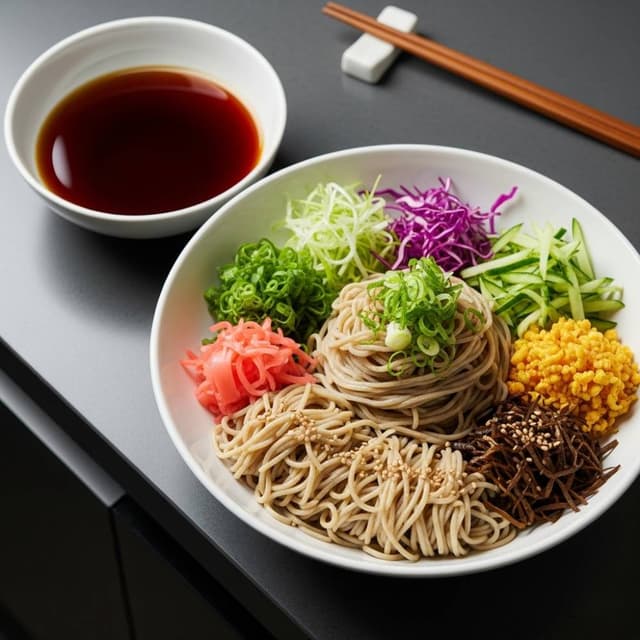
Serve as a vegetable side dish next to grilled salmon or a cold soba noodle bowl for a light but complete Japanese meal with complementary umami flavors.
Storage & Reheating
Keep it fresh and plan ahead
Refrigerator
Miso-glazed eggplant keeps refrigerated for up to 3 days. The glaze softens and the eggplant continues to absorb its flavor — it is actually very good the next day at room temperature.
Make-Ahead
The miso glaze keeps in the refrigerator for up to 2 weeks. Roast the eggplant up to 1 hour before serving; apply glaze and broil just before serving for the best caramelized crust.
Reheating
Briefly broil refrigerated dengaku for 2-3 minutes to re-caramelize the glaze. Alternatively, reheat in a toaster oven at high heat for 5 minutes. Avoid the microwave which steams the glaze off.
Cooking tonight?
Get a month of dinners like this — done for you
30 chef-tested dinners mapped to the month, plus 5 ready-to-shop grocery lists. One-time $8.99 — 30 dinners planned for you, zero nightly decisions.
See the 30-Day Plan →Got Leftovers?
Turn what you already have in your fridge into delicious meals. Our AI-powered generator creates personalized recipes from your ingredients.
Go Deeper
Master the Culinary Science
Every recipe is a doorway. Our 7 Mastery Guides give you the science, technique, and framework to understand why food works — not just how to follow steps.
AI-Powered
Have Ingredients? Generate a Recipe.
Tell our AI what's in your fridge and get a custom recipe with image in seconds. No waste, no boredom.
Try the AI Recipe Generator →You Might Also Like
Discover more delicious recipes similar to what you're cooking