Martini
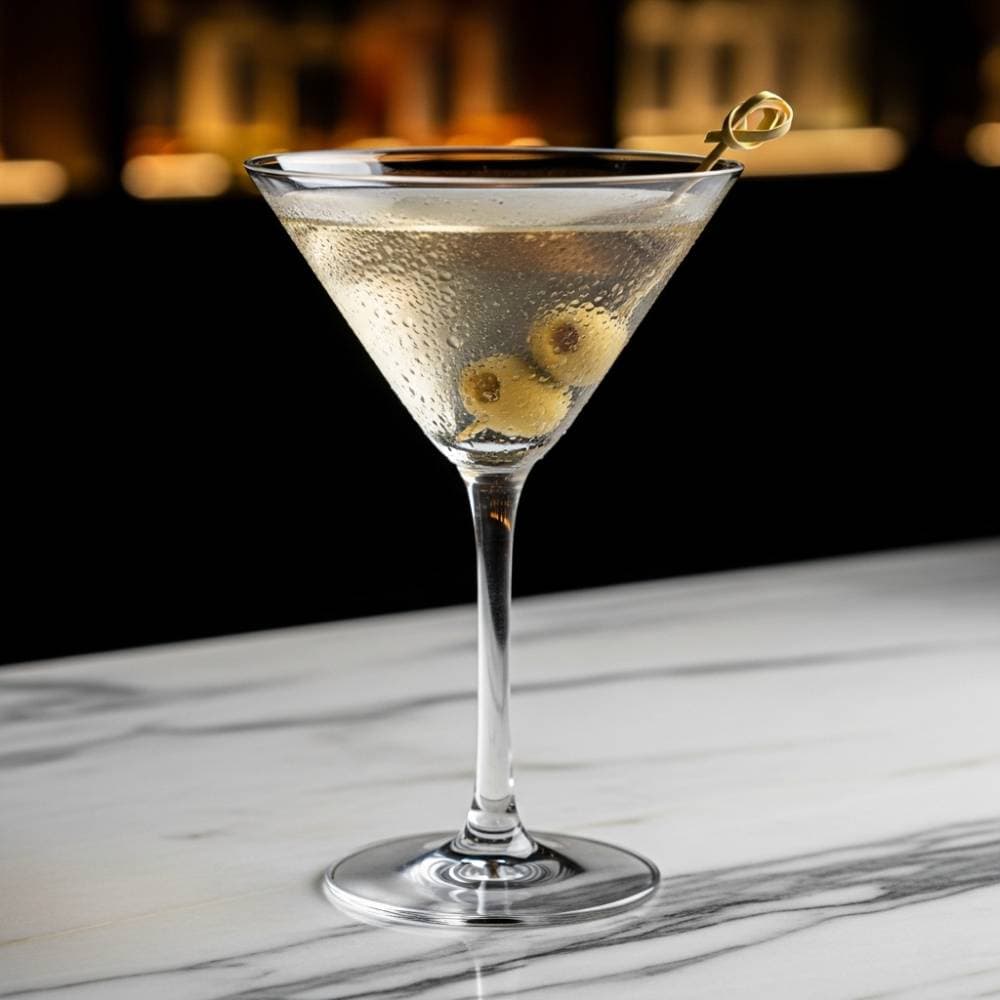
The iconic Martini is a classic cocktail made with gin and vermouth, typically garnished with an olive or a lemon twist. It's known for its elegance and versatility.
Prep Time
3 min
ABV
30-40% ABV (approx.)
Servings
Flavor Profile
The Quick Answer
A cloudy, watery Martini almost always comes from shaking it or stirring too long, which over-aerates and over-dilutes the gin and vermouth. Stir gently with plenty of ice for about 30 seconds into a frozen glass to get a crystal-clear, ice-cold drink that still tastes of spirit.
Why does shaking make a Martini cloudy?
Shaking violently agitates the gin against ice, smashing in countless microscopic air bubbles and tiny ice shards that scatter light, so the drink turns hazy rather than glass-clear. It also chills and dilutes faster and harder than stirring, thinning a spirit-forward drink that has no citrus or sugar to hide behind. Stirring with a bar spoon moves the liquid past the ice smoothly, chilling it without trapping air, which is why a stirred Martini looks brilliant and silky. The famous "shaken, not stirred" line trades that clarity and silky body for a colder, more diluted, slightly bruised drink, so stir unless a guest specifically asks otherwise.
Why does my Martini taste harsh or sharply alcoholic?
With only a half ounce of vermouth to 2.5 ounces of gin, there is little to mask raw spirit, so temperature and dilution do the heavy lifting. A warm Martini tastes hot and aggressive because ethanol's burn is more pronounced above fridge temperature; chilling the glass and the mixing glass keeps the drink near freezing, which mutes that burn and lets the gin's botanicals come forward. Vermouth also matters here: it is a fortified wine that oxidizes once opened, and a flat, stale bottle leaves the gin exposed and harsh. Refrigerate opened vermouth and replace it within a few weeks so it can still soften the spirit.
Not sure what to cook next? Let the generator pick your next dish in one click.
Random Recipe GeneratorWhat is this drink?
The Martini is the canonical cocktail — a minimalist, spirit-forward drink built on gin and a whisper of dry vermouth, served ice-cold in a stemmed glass and garnished with either an olive or a lemon twist. It has inspired more variations, debates, and legends than any other cocktail in history, and its elegant simplicity has never gone out of fashion.
Why you'll love it
A properly made Martini is a masterclass in restraint. The botanicals of quality gin bloom at cocktail temperature; the vermouth adds a gentle herbal softness; the cold glass keeps every sip bracingly crisp. Nothing hides in a Martini — it demands great ingredients and rewards them generously.
When to serve
The Martini is the quintessential pre-dinner cocktail — its high alcohol content and clean, dry profile stimulate appetite rather than fill you up. It belongs at elegant dinner parties, sophisticated bars, business lunches, and anywhere an atmosphere of refinement is called for. It is also the perfect solo evening drink for those who appreciate craft and quality.
Pro tip
Stir, never shake — unless you specifically want a diluted, slightly cloudy drink with tiny ice chips floating in it. Stirring for 30 to 45 seconds over ice achieves proper chilling and dilution while preserving the silky, clear texture that a great Martini deserves. Chill both the mixing glass and the serving glass. And always use fresh, refrigerated vermouth — old, oxidized vermouth will ruin even the finest gin.
Gin
The star of the classic Martini. A good London Dry gin brings juniper, citrus peel, coriander, and botanical complexity that vermouth simply amplifies. The gin you choose defines the character of the entire drink.
Dry Vermouth
A fortified white wine infused with botanicals. It adds a dry, slightly herbal quality and crucial dilution to the high-proof gin. Use fresh, refrigerated vermouth and never skip it — even a whisper transforms the drink.
Orange Bitters (optional)
A few dashes of orange bitters add depth, a subtle citrus aroma, and round out the botanical profile of the gin without adding sweetness. Highly recommended for a more complex Martini.
Olives or Lemon Twist
The garnish is a flavor decision: olives add a salty, savory character; a lemon twist adds bright citrus oils that change the aroma entirely. Choose based on the experience you want.
Swap Options
Swap gin for vodka for a Vodka Martini — cleaner and more neutral, letting the vermouth and garnish speak louder. Add a splash of olive brine for a Dirty Martini. Use Lillet Blanc instead of vermouth for a softer, more floral profile. For a Gibson, garnish with a cocktail onion instead of an olive for a savory, funky variation.
Directions
Step 1
Chill your glass
Place a martini glass (or coupe glass) in the freezer for a few minutes or fill it with ice water while you prepare the drink. This helps keep your Martini colder for longer.
Pro Tip
- →A well-chilled glass is essential for a crisp Martini.
Step 2
Combine ingredients
In a mixing glass, combine 2.5 ounces (75 ml) gin (or vodka), 0.5 ounce (15 ml) dry vermouth, and 1 dash of orange bitters (if using). Add 1 serving of ice to the mixing glass.
Pro Tip
- →Use good quality gin or vodka, as it's the dominant flavor.
Step 3
Stir the drink
Stir the mixture gently with a bar spoon for about 30 seconds until it's well-chilled and properly diluted. Do not shake a Martini unless specifically requested ('shaken, not stirred').
Pro Tip
- →Stirring maintains the clarity and smooth texture of the spirit-forward drink.
Step 4
Strain and garnish
Discard the ice from your chilled martini glass. Strain the mixture into the prepared glass. Garnish with 2-3 green olives on a cocktail pick or an expressed lemon twist.
Pro Tip
- →To express a lemon twist, gently twist the peel over the drink to release its aromatic oils, then drop it in.
Different ways to make this drink your own
Dirty Martini
Add 15ml of olive brine to the shaker along with the gin and vermouth. The savoury, briny quality transforms the cocktail into something richer and more complex, garnished with two or three olives skewered on a cocktail pick.
Vodka Martini
Replace gin with a clean, quality vodka for a more neutral, spirit-forward drink. Without the botanical complexity of gin, the vermouth and garnish take centre stage. Popular with those who prefer a smoother, less aromatic profile.
Vesper Martini
James Bond's original recipe: three parts gin, one part vodka, and half a part of Lillet Blanc, shaken not stirred. The vodka softens the gin's botanicals while the Lillet adds a gentle bittersweet floral note.
Tools that make this drink come together
Mixing Glass
A heavy mixing glass is ideal for a stirred Martini, allowing smooth, controlled stirring that chills and dilutes without aerating the drink. The large vessel lets ice circulate properly for even temperature distribution.
Bar Spoon
A long twisted bar spoon is used to stir for 30 to 40 seconds against the glass wall. The technique produces a silky, perfectly cold Martini with precisely the right level of dilution.
Julep Strainer
The wide, perforated bowl of a julep strainer fits snugly into the mixing glass and holds back ice as the cold Martini flows cleanly into the chilled coupe or Martini glass.
Can't Find These?
A large tumbler or jug makes a workable mixing glass. Stir with a regular long-handled teaspoon. Strain by holding a slotted spoon across the rim. It's the technique that counts, not the tools.
The right glass makes a real difference
Martini Glass (or Coupe)
The iconic V-shaped Martini glass is designed to keep the drink cold — the stem ensures your hand doesn't warm the bowl. The wide, open top concentrates the gin's aromatics and allows you to appreciate the clarity of a perfectly made Martini. A coupe glass is an increasingly popular alternative that is more stable and equally elegant.
Alternatives
A coupe glass is the modern bartender's preferred alternative, being more stable and less prone to spillage. A Nick & Nora glass offers an even smaller, more intimate serving. Avoid rocks glasses as a Martini loses much of its theatre without the distinctive silhouette.
Perfect food pairings to complete the experience
Oysters
The clean, briny character of fresh oysters is the quintessential Martini pairing. The mineral salinity of oysters complements the botanical dryness of gin, making both taste more refined in each other's company.
Smoked Salmon Blinis
Delicate blinis topped with crème fraîche and smoked salmon bring richness and smokiness that contrast beautifully with the crisp, dry Martini. A classic canapé pairing for elegant occasions.
Green Olives
Whether in or alongside the glass, good-quality briny olives echo the savoury notes in the vermouth and complement gin's herbal character. Stuffed olives with blue cheese or anchovy are an even more indulgent option.
Salted Almonds
Warm, salted almonds are a simple but perfect Martini accompaniment. Their toasty nuttiness and saltiness provide a pleasant counterpoint to the cold, clean sharpness of the drink.
Prep in advance for effortless serving
Pre-Chill the Glasses
Place Martini or coupe glasses in the freezer at least an hour before service. A frost-cold glass keeps the Martini at its ideal temperature far longer and adds a visually impressive sheen when poured.
Batch the Mix
Combine gin and dry vermouth in a bottle in the correct ratio and refrigerate. When serving, pour over ice in a mixing glass, stir to order, and strain — this cuts serving time dramatically for groups.
Pre-Measure Vermouth
Portion your vermouth into a small bottle or dropper bottle so it's easy to add the precise amount each time. Consistent vermouth ratios are key to reliably excellent Martinis.
Prepare Garnishes
Cut lemon peel twists and store them in a small container in the fridge up to 6 hours ahead. Thread olives onto cocktail picks in advance. Having everything prepped means you can serve Martinis effortlessly.
Common questions answered by our bartenders
Got Leftovers?
Turn what you already have in your fridge into delicious meals. Our AI-powered generator creates personalized recipes from your ingredients.
Browse more like this:
Please drink responsibly. All drink recipes are intended for those of legal drinking age in their country. TheRandomRecipe does not promote excessive alcohol consumption. Alcohol Responsibility Policy