Easy Shrimp Curry Recipe (Ready in 30 Minutes)
A quick and flavorful shrimp curry featuring tender prawns in a creamy, aromatic tomato-coconut sauce. Perfect for busy weeknights when you want something special without the wait.
The Quick Answer
Shrimp curry fails when the shrimp overcook into rubbery curls during the long sauce build. Make the entire tomato-coconut sauce first and add the shrimp only in the final 3-4 minutes, pulling them the instant they turn opaque and form a loose C.
Why does my shrimp curry turn out rubbery?
Shrimp are almost pure lean protein and cook through in 3-4 minutes. As they heat, their proteins denature and contract; at the right point the muscle just firms and the flesh turns opaque, but a little more heat squeezes water out and the proteins seize into a tough, rubbery bite. Because the sauce here simmers for several minutes, any shrimp added early are guaranteed to overcook. That is why the sauce is fully built first and the shrimp slipped in only at the end. Watch their shape as a doneness gauge: a raw shrimp is a loose C, a perfectly cooked one curls into a tighter C, and one that has clenched into a tight O is overcooked. Pull them at the C.
Why is my coconut shrimp curry sauce thin or split?
Coconut milk is an emulsion of coconut fat in water, and its richness depends on that fat staying suspended. Hard boiling, especially against the acidity of the tomatoes, can break the emulsion so the oil separates and the sauce looks greasy and thin. Keep it at a gentle simmer once the coconut milk goes in. Thinness has a second cause: watery shrimp. If the shrimp are not patted dry, they shed liquid that dilutes the sauce, so drying them protects both their sear and the sauce body. The tomatoes need their own few minutes to break down and thicken before the coconut milk joins, building a base with enough body to coat the shrimp at the end.
Not sure what to cook next? Let the generator pick your next dish in one click.
Random Recipe GeneratorAbout This Recipe
What is this dish?
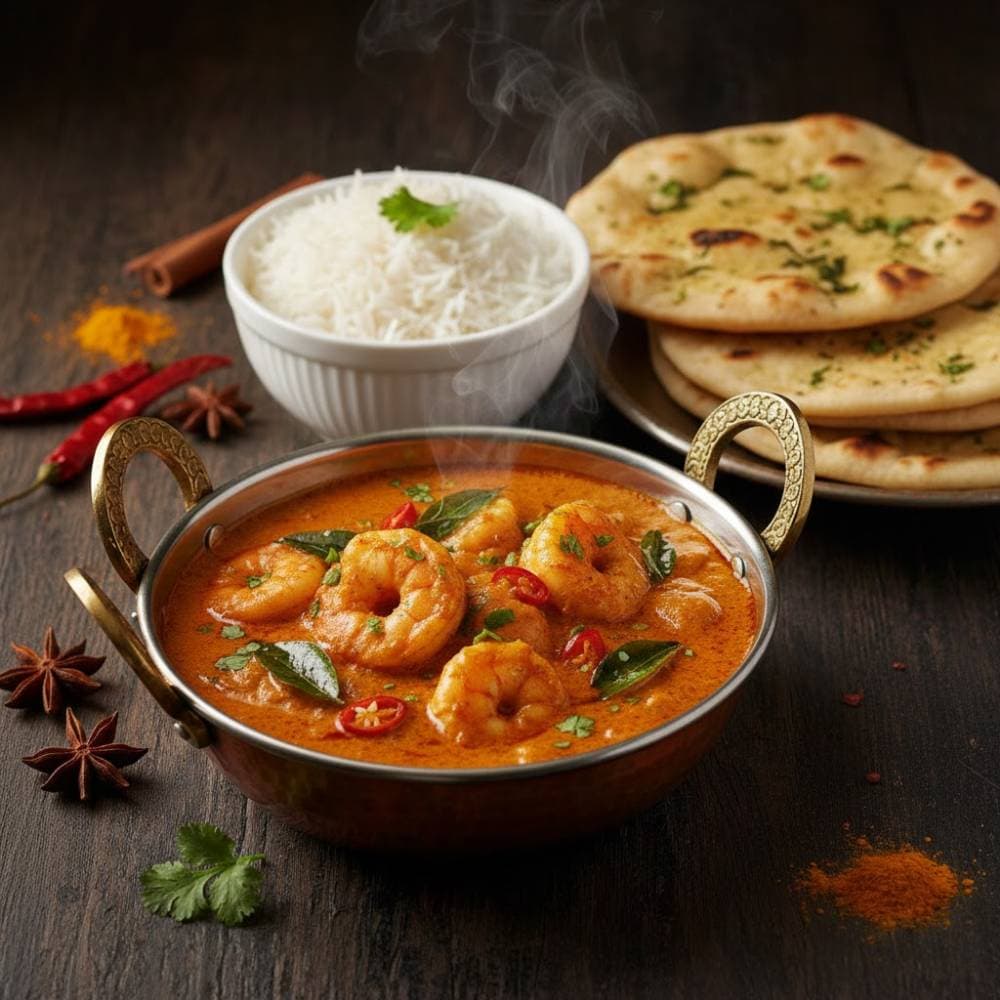
Easy shrimp curry is a quick weeknight version of the beloved Indian prawn curry — succulent shrimp simmered in an aromatic tomato and coconut milk sauce with warming spices. Ready in just 30 minutes, it captures the essential flavors of Indian coastal cooking without requiring hours of simmering. The coconut milk creates a creamy, mildly sweet base that balances the heat of the spices and complements the natural sweetness of the shrimp.
Why you'll love it
This curry delivers genuine Indian restaurant flavor in under 30 minutes using simple pantry ingredients. The coconut milk creates a naturally creamy sauce without dairy, and the combination of curry powder, cumin, and coriander gives every spoonful bold, layered spice. The shrimp cook in minutes and the entire dish comes together faster than ordering takeout.
When to serve
Shrimp curry is perfect for busy weeknight dinners when you want something impressive but quick. It works equally well for a casual dinner party — it looks and tastes restaurant-quality despite the minimal effort. The mild heat level makes it family-friendly, and the colorful presentation makes it a crowd-pleaser.
Quick tips
Pat shrimp completely dry before cooking for proper searing. Build and develop the sauce first, then add shrimp only in the last 3-4 minutes to prevent overcooking. Bloom spices in hot oil before adding liquid for maximum flavor depth. Add garam masala and lemon juice only at the very end to preserve their fresh aroma.
Ingredient Highlights
Large Shrimp
The star protein — large or jumbo shrimp work best in curry because their size allows them to stay juicy and tender without overcooking before the sauce has time to coat them. Fresh or frozen both work well; frozen should be completely thawed and patted very dry.
Coconut Milk
Full-fat canned coconut milk is the secret to the creamy, slightly sweet base that distinguishes this curry from tomato-only preparations. It also makes the dish naturally dairy-free. The fat content carries the spice flavors and creates the luscious sauce consistency.
Curry Powder
A pre-made spice blend of turmeric, coriander, cumin, fenugreek, and chili that forms the flavor backbone of this quick curry. Quality curry powder varies enormously — use a fresh, aromatic brand from an Indian grocery store for significantly better results.
Fresh Ginger and Garlic
The aromatic foundation of the sauce — always use freshly minced garlic and freshly grated ginger rather than powdered alternatives. Fresh aromatics have a pungent, bright quality that powder cannot replicate and are what make the curry taste genuinely homemade rather than from a packet.
Substitution Options
Use chicken, firm white fish (cod or tilapia), or paneer instead of shrimp — adjust cooking times accordingly (chicken 15-20 min, fish 8-10 min, paneer 5 min). Replace coconut milk with heavy cream for a richer, non-coconut version. Canned crushed tomatoes can replace fresh diced tomatoes. If you do not have curry powder, combine 1/2 tsp each of cumin, coriander, turmeric, and a pinch of cayenne as a substitute. Ghee can replace vegetable oil for a more authentic, richer flavor.
You'll likely need to buy
Likely in your pantry
Step-by-Step Instructions
Prepare the shrimp
Pat 1 pound of peeled and deveined shrimp completely dry with paper towels. Season lightly with a pinch of salt and pepper. Set aside. Drying the shrimp prevents them from releasing water into the curry and ensures they sear nicely.
Chef's Tips
- ›Use large or jumbo shrimp for the best texture.
- ›Frozen shrimp work well - just thaw completely and pat very dry.
Sauté the aromatics
Heat 2 tablespoons of vegetable oil or ghee in a large skillet or deep pan over medium heat. Add 1 finely diced onion and cook for 4-5 minutes until softened and lightly golden. Add 3 cloves minced garlic and 1 tablespoon grated fresh ginger. Cook for 1 minute, stirring constantly, until fragrant.
Chef's Tips
- ›Don't let the garlic burn or it will taste bitter.
- ›Ghee adds authentic flavor but oil works perfectly fine.
Add spices and tomatoes
Add 1 tablespoon curry powder, 1 teaspoon ground cumin, 1 teaspoon ground coriander, 1/2 teaspoon turmeric, and 1/2 teaspoon chili powder to the pan. Stir for 30 seconds until the spices are toasted and fragrant. Add 2 diced tomatoes (or 1 cup canned crushed tomatoes) and 1 teaspoon salt. Cook for 5-6 minutes, stirring occasionally, until the tomatoes break down and the mixture thickens slightly.
Chef's Tips
- ›Toasting the spices before adding liquid intensifies their flavors.
- ›If using canned tomatoes, the sauce will come together faster.
Add coconut milk and simmer
Pour in 1 cup coconut milk and stir well to combine. Bring the sauce to a gentle simmer and cook for 3-4 minutes until it thickens slightly. Taste and adjust seasoning with more salt if needed.
Chef's Tips
- ›Full-fat coconut milk creates a richer, creamier sauce.
- ›The sauce should coat the back of a spoon when ready.
Cook the shrimp
Add the prepared shrimp to the sauce in a single layer. Cook for 3-4 minutes, flipping halfway through, until the shrimp turn pink and opaque throughout. Do not overcook or the shrimp will become rubbery. Stir in 1/2 teaspoon garam masala and 1 tablespoon lemon juice.
Chef's Tips
- ›Shrimp cook very quickly - they're done when they form a C-shape.
- ›Adding garam masala at the end preserves its aromatic flavor.
Garnish and serve
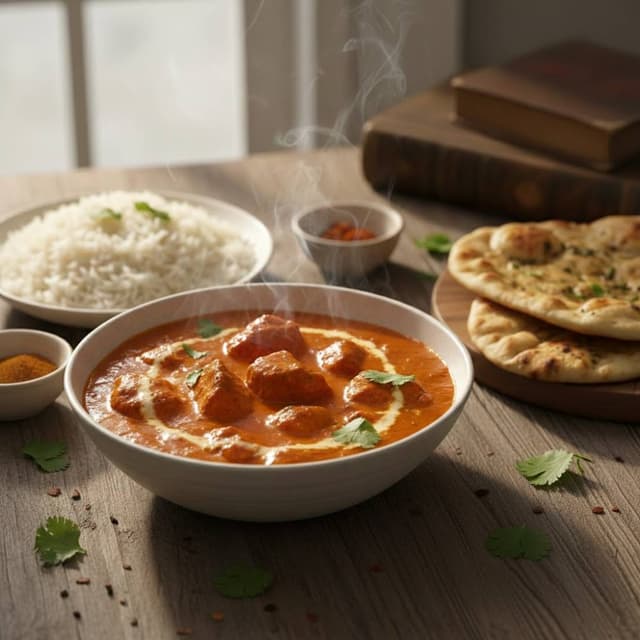
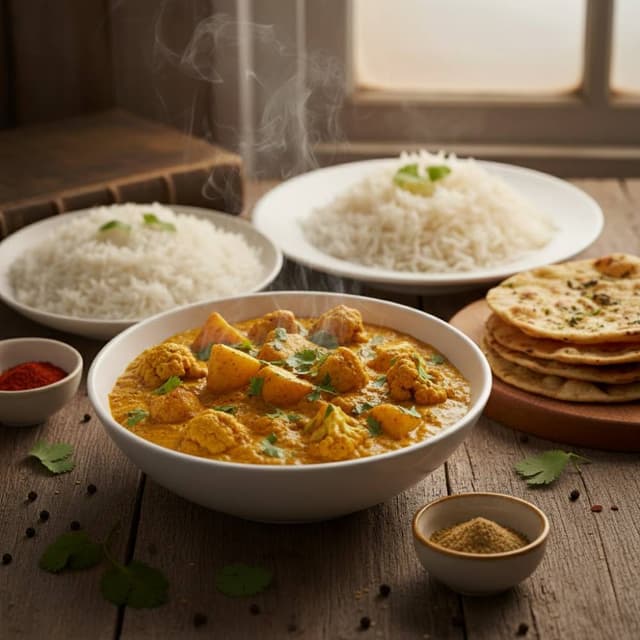
Remove from heat and garnish with 2 tablespoons chopped fresh cilantro. Serve immediately over steamed basmati rice or with warm naan bread for scooping up the sauce.
Chef's Tips
- ›Squeeze extra lemon juice over individual servings for brightness.
- ›This curry tastes even better with a dollop of plain yogurt on the side.
Chef's Tips
Techniques that separate good from great
Dry the shrimp completely before cooking — this is non-negotiable
Wet shrimp steam instead of searing and release water that dilutes the curry sauce. Pat every shrimp completely dry with paper towels before seasoning. This single step is the difference between shrimp that develop a light golden crust and shrimp that are pale and watery.
Cook the shrimp separately and add them to the sauce at the very end
Shrimp cook in 3-4 minutes and become rubbery if overcooked. Building the sauce first, then adding shrimp only for the final 3-4 minutes of cooking, ensures they are perfectly cooked — pink, curled, and tender rather than tough and shrunken.
Bloom your spices in hot oil before adding any liquid
Adding curry powder, cumin, and coriander to hot oil and stirring for 30-45 seconds before any liquid is added extracts fat-soluble flavor compounds that water cannot. This step builds the flavor foundation. The spices should become intensely fragrant and darken slightly — that is the sign they are properly bloomed.
Add garam masala and lemon juice only at the very end
Garam masala contains volatile aromatic compounds that evaporate with prolonged heat. Adding it in the last minute of cooking preserves the fresh, complex aroma. Similarly, lemon juice added off-heat or just before serving keeps its bright acidity instead of cooking down to blandness.
Nutrition Facts
Per serving · Estimated values
* Estimated per serving based on a 2,000 calorie diet.
Equipment Needed
- Large skillet or deep pan with lid
- Wooden spoon or spatula
- Knife and cutting board
- Measuring cups
- Measuring spoons
- Paper towels
As an Amazon Associate we earn from qualifying purchases — at no extra cost to you.
Quick Tips
- For extra heat, add 1 sliced green chili pepper along with the onions.
- Leftover curry can be stored in an airtight container in the refrigerator for up to 2 days. Reheat gently to avoid overcooking the shrimp.
- You can substitute chicken, fish, or paneer for the shrimp using the same method - just adjust cooking times accordingly.
Recipe Variations
Different ways to make this dish your own
Prawn Curry with Spinach
Stir in 2 cups of fresh spinach in the last 2 minutes of cooking after adding the shrimp. The spinach wilts into the coconut sauce, adding color and nutrition without changing the fundamental curry character.
Kerala-Style Shrimp Curry
Add 1/2 teaspoon of black mustard seeds and 10 fresh curry leaves to the hot oil before the onions for an authentic South Indian coastal flavor. Replace some of the tomato with a splash of tamarind water for extra tang.
Thai-Inspired Coconut Shrimp Curry
Swap the Indian spice blend for 2 tablespoons of Thai red or green curry paste, add a tablespoon of fish sauce, a teaspoon of sugar, and a squeeze of lime at the end. Use lemongrass and Thai basil as garnish for a completely different direction.
Shrimp and Vegetable Curry
Add diced bell peppers, zucchini, or baby spinach along with the tomatoes to make a more substantial, vegetable-forward version. The shrimp still cook at the end for the last 3-4 minutes.
What to Serve With
Perfect pairings to complete the meal
Steamed Basmati Rice
The ideal base for shrimp curry — long-grain basmati soaks up the coconut-tomato sauce beautifully. The fragrant rice complements rather than competes with the curry's complex spice profile.
Warm Garlic Naan
Puffy naan is perfect for scooping up the coconut curry sauce. The slight sweetness and chewiness of naan pairs beautifully with the richness of the coconut-based sauce and the sweetness of the shrimp.
Plain Yogurt or Raita
A dollop of cooling plain yogurt alongside the curry provides a creamy, acidic counterpoint to the coconut sauce and tempers any heat. Cucumber raita with mint is a particularly refreshing accompaniment.
Crispy Papadum
Thin, crispy lentil wafers that add satisfying crunch to the meal. Microwave individual papadums for 30-45 seconds until puffed and crispy. The shattering crunch contrasts beautifully with the silky curry.
Storage & Reheating
Keep it fresh and plan ahead
Refrigerator
Store in an airtight container for up to 2 days. Shrimp-based curries have a shorter refrigerator life than meat curries as shrimp texture degrades faster. The sauce itself keeps for up to 3-4 days without shrimp.
Freezer
Freeze the sauce base without the shrimp for up to 2 months. Cooked shrimp do not freeze well — they become rubbery and tough when reheated from frozen. Prepare and add fresh shrimp when reheating the sauce.
Make-Ahead
Make the curry sauce up to 3 days ahead and refrigerate. When ready to serve, reheat the sauce to a gentle simmer and add fresh shrimp, cooking for 3-4 minutes. This gives the freshest possible shrimp texture.
Reheating
Reheat the curry gently in a saucepan over medium-low heat, stirring occasionally. Avoid high heat and prolonged reheating as shrimp become rubbery quickly. Heat just until warmed through — 3-4 minutes is usually sufficient.
Cooking tonight?
Get a month of dinners like this — done for you
30 chef-tested dinners mapped to the month, plus 5 ready-to-shop grocery lists. One-time $8.99 — 30 dinners planned for you, zero nightly decisions.
See the 30-Day Plan →Got Leftovers?
Turn what you already have in your fridge into delicious meals. Our AI-powered generator creates personalized recipes from your ingredients.
Go Deeper
Master the Culinary Science
Every recipe is a doorway. Our 7 Mastery Guides give you the science, technique, and framework to understand why food works — not just how to follow steps.
AI-Powered
Have Ingredients? Generate a Recipe.
Tell our AI what's in your fridge and get a custom recipe with image in seconds. No waste, no boredom.
Try the AI Recipe Generator →Browse more like this:
You Might Also Like
Discover more delicious recipes similar to what you're cooking