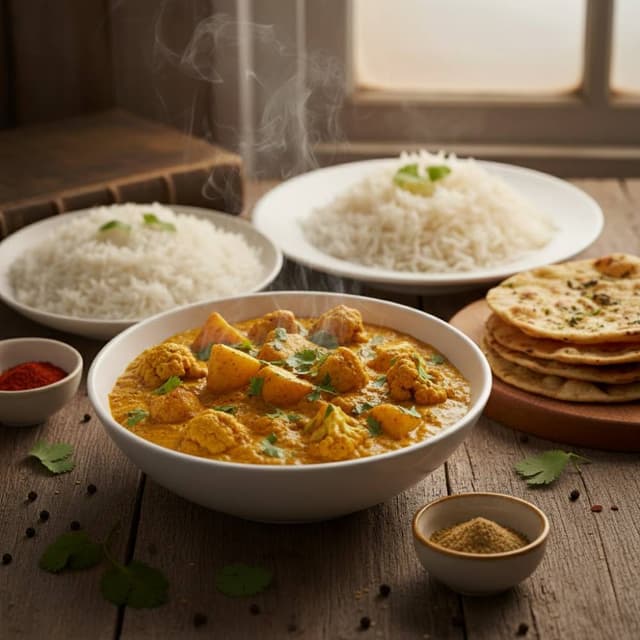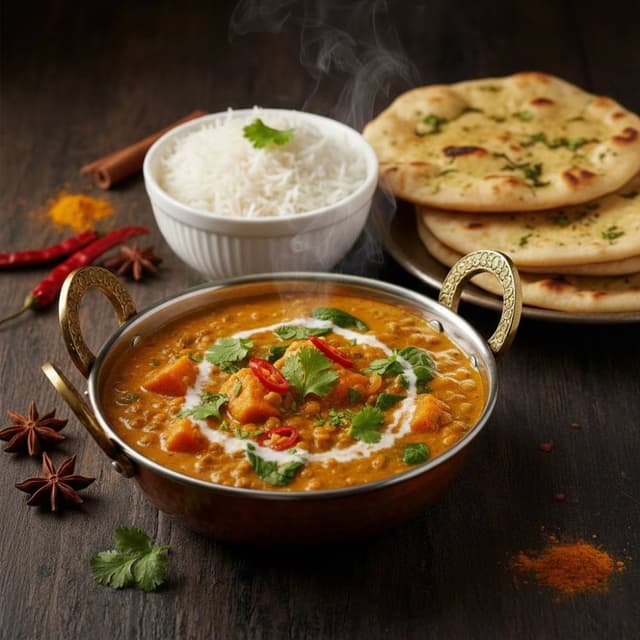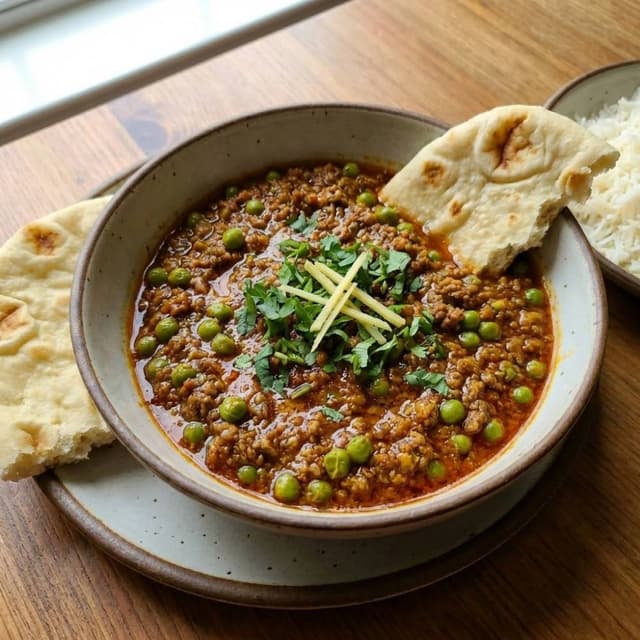
Mushroom Masala Recipe (Rich Indian Mushroom Curry)
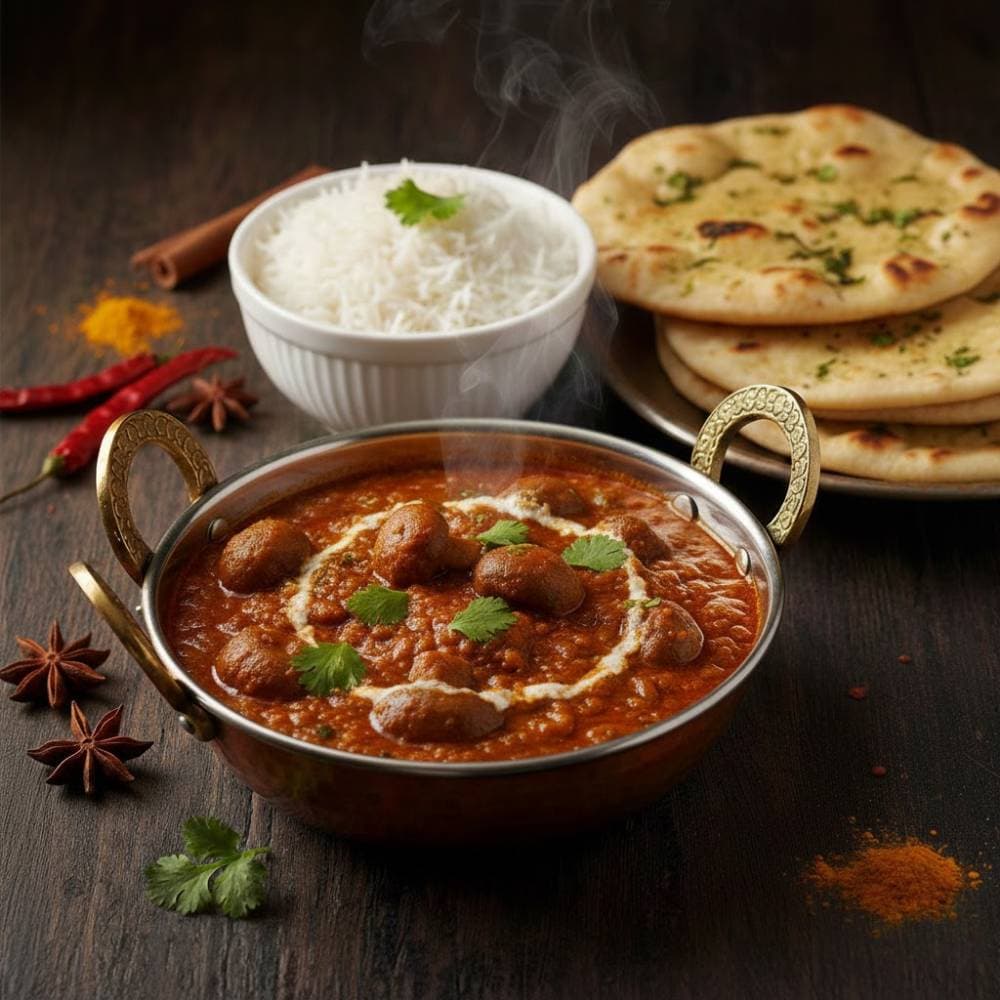
Tender mushrooms simmered in a velvety, aromatic tomato-cream sauce bursting with warm Indian spices. This restaurant-quality vegetarian curry is indulgent, flavorful, and surprisingly easy to make at home.
The Quick Answer
Watery, bland mushroom masala almost always traces back to crowding the pan, which steams the mushrooms in their own liquid instead of browning them. Sear them in batches over medium-high heat until the released moisture fully evaporates and the edges turn golden, then build the masala separately so the sauce stays concentrated rather than diluted.
Why do my mushrooms go rubbery and watery in this curry?
Button and cremini mushrooms are roughly 90 percent water held in a spongy structure. When you pile a full pound into one skillet, the pan temperature crashes, the cells dump their water, and the mushrooms simmer rather than sear. Without browning you lose the savory, meaty depth that makes this curry taste rich. Heat keeps the cell walls from collapsing into mush, while the evaporating moisture concentrates flavor. Work in two batches in the butter or ghee, leave space between pieces, and resist stirring until the undersides are golden. Only then add them back to the spiced tomato base for the final simmer.
Why does the cream curdle when I add it to the masala?
Heavy cream curdles when its proteins meet too much acid and heat at once. This sauce is built on pureed tomatoes plus tomato paste, both acidic, and if you pour cold cream straight into a furiously boiling pan the proteins seize into grainy curds. Pull the pan to a gentle simmer first, stir a few spoonfuls of the hot masala into the cream to temper it, then add it back and keep the heat low. Coconut cream is more forgiving because it sets with fat and starch rather than dairy casein. The kasuri methi added at the end contributes aroma, not acid, so it will not affect the emulsion.
Not sure what to cook next? Let the generator pick your next dish in one click.
Random Recipe GeneratorAbout This Recipe
What is this dish?
Mushroom masala is a popular North Indian vegetarian curry featuring tender mushrooms bathed in a velvety, spiced tomato-cream sauce. The combination of butter or ghee, tomatoes, warm spices, and cream creates a sauce that rivals any restaurant preparation. The mushrooms absorb the rich masala, and when finished with dried fenugreek leaves (kasuri methi), the dish takes on a distinctive, aromatic quality that is unmistakably North Indian.
Why you'll love it
Mushroom masala delivers restaurant-quality depth and richness from ingredients that are readily available and inexpensive. The technique of browning mushrooms separately before combining with the masala is the key to avoiding watery, underseasoned results. The sauce is deeply spiced but balanced with cream, making it appealing to a wide range of palates.
When to serve
Mushroom masala makes an excellent vegetarian main course served with basmati rice and naan. It works wonderfully as part of a larger Indian spread alongside dal and raita. It is impressive enough for dinner parties and straightforward enough for a satisfying weeknight dinner.
Quick tips
Always brown mushrooms in batches over high heat — crowding causes steaming. Cook the tomato masala until oil separates, which signals the masala is properly cooked. Use ghee or butter rather than oil for restaurant-quality richness. Add kasuri methi at the very end after removing from heat.
Ingredient Highlights
Cremini or Button Mushrooms
The main ingredient — cremini mushrooms have slightly more flavor and a firmer texture than button mushrooms, making them the preferred choice. Mixed wild mushrooms (shiitake, oyster, portobello) can be used for even more complex flavor. Clean with a damp cloth rather than washing under water to prevent sogginess.
Kasuri Methi (Dried Fenugreek Leaves)
The secret ingredient of North Indian restaurant cooking. A small amount of kasuri methi added at the end gives mushroom masala its distinctive, slightly bitter, maple-like aroma that is impossible to replicate with substitutes. Found at Indian grocery stores, it is worth seeking out.
Tomato Paste
Added alongside fresh or canned tomatoes to deepen and concentrate the tomato flavor. The paste contributes a rich, slightly sweet undertone and helps thicken the sauce. Always cook the tomato paste with the spices before adding other liquids to develop its flavor.
Heavy Cream or Coconut Cream
The finishing element that transforms the spiced tomato sauce into a silky, restaurant-style gravy. Added after the sauce is fully cooked and slightly off the heat to prevent curdling. Creates the characteristic orange-red color and velvety mouthfeel of Indian restaurant masalas.
Substitution Options
Use a mix of wild mushrooms (shiitake, oyster, portobello) for more complex flavor. Coconut cream can replace heavy cream for a dairy-free version. Olive oil or coconut oil can substitute for ghee. If kasuri methi is unavailable, use a small pinch of fresh thyme as a distant substitute. Add diced paneer in the last 5 minutes for a more substantial, protein-rich version. A spoonful of plain yogurt can replace the cream for a lighter, tangier version.
You'll likely need to buy
Likely in your pantry
Step-by-Step Instructions
Prepare the mushrooms
Clean 1 pound of mushrooms with a damp paper towel or soft brush to remove any dirt. Trim the stems if needed, then halve or quarter the mushrooms depending on their size. Set aside.
Chef's Tips
- ›Avoid washing mushrooms under running water as they absorb moisture and become soggy.
- ›Uniformly sized pieces ensure even cooking.
Sauté the mushrooms
Heat 2 tablespoons of butter or ghee in a large skillet or pan over medium-high heat. Add the mushrooms in a single layer (work in batches if needed to avoid crowding). Cook for 5-6 minutes, stirring occasionally, until the mushrooms release their moisture, it evaporates, and they develop golden-brown edges. Transfer to a plate and set aside.
Chef's Tips
- ›Don't stir the mushrooms constantly - let them sit to develop a nice sear.
- ›Crowding the pan steams the mushrooms instead of browning them.
Cook the aromatics and tomato base
In the same pan, add the remaining 1 tablespoon butter or ghee. Add 1 finely diced onion and cook for 4-5 minutes until softened and lightly golden. Add 3 cloves minced garlic and 1 tablespoon grated ginger. Cook for 1 minute until fragrant. Stir in 1 tablespoon tomato paste, 2 pureed or finely chopped tomatoes (or 1 cup canned crushed tomatoes), 1 teaspoon ground cumin, 1 teaspoon ground coriander, 1 teaspoon garam masala, 1/2 teaspoon turmeric, 1/2 teaspoon chili powder, 1/2 teaspoon paprika, and 1 teaspoon salt. Cook for 5-6 minutes, stirring occasionally, until the tomatoes break down and the oil starts to separate from the masala.
Chef's Tips
- ›The oil separating from the sauce is a sign the masala is properly cooked.
- ›Tomato paste adds depth and concentrated tomato flavor.
Create the sauce
Pour in 1/2 cup water or vegetable broth and stir well to loosen the masala. Bring to a gentle simmer and cook for 2-3 minutes. Stir in 1/2 cup heavy cream or coconut cream and mix until smooth and well combined. The sauce should be rich, creamy, and coat the back of a spoon.
Chef's Tips
- ›For a vegan version, use coconut cream instead of heavy cream.
- ›Add more water if the sauce is too thick; simmer longer uncovered if too thin.
Combine mushrooms and finish
Return the cooked mushrooms to the pan and stir to coat them evenly with the sauce. Simmer for 3-4 minutes to allow the flavors to meld. If using, crush 1 teaspoon dried fenugreek leaves (kasuri methi) between your palms and sprinkle over the curry. Stir gently and cook for 1 more minute. Taste and adjust seasoning with more salt or garam masala if needed.
Chef's Tips
- ›Kasuri methi adds an authentic, slightly sweet and earthy flavor.
- ›Don't skip this final simmer - it brings everything together.
Garnish and serve
Remove from heat and transfer the mushroom masala to a serving dish. Garnish with 2 tablespoons chopped fresh cilantro. Serve hot with steamed basmati rice or warm naan bread.
Chef's Tips
- ›A drizzle of cream on top before serving adds restaurant-style presentation.
- ›This curry pairs beautifully with jeera rice (cumin rice) or garlic naan.
Chef's Tips
Techniques that separate good from great
Sauté mushrooms separately in batches over high heat — never crowd the pan
Mushrooms contain up to 90% water. If you add too many to the pan at once, the temperature drops, the water releases, and they steam and become grey and rubbery instead of golden and caramelized. Work in batches, using high heat, and do not stir constantly — let them sit undisturbed for 2-3 minutes to develop proper browning.
Cook the tomato masala until oil separates from the sauce
The key indicator that a tomato-based masala is properly cooked is the 'bhunao' stage — when the oil visibly separates from the sauce at the edges. This tells you the tomatoes have fully broken down, the raw taste is gone, and the masala has developed deep, concentrated flavor. Do not shortcut this step.
Add kasuri methi at the very end, crushing between your palms
Dried fenugreek leaves (kasuri methi) have a distinctive slightly bitter, maple-like aroma that is a signature in North Indian restaurant cooking. The crushing between palms releases the fragrance. Added at the end so the heat does not destroy the volatile compounds.
Use ghee or butter instead of oil for restaurant-quality richness
Indian restaurant mushroom masala is almost always made with ghee (clarified butter) rather than vegetable oil. Ghee has a higher smoke point than butter and adds a nutty, rich flavor that transforms the masala from good to extraordinary. Using 2 tablespoons of ghee makes a noticeable difference.
Nutrition Facts
Per serving · Estimated values
* Estimated per serving based on a 2,000 calorie diet.
Equipment Needed
- Large skillet or deep pan
- Wooden spoon or spatula
- Knife and cutting board
- Measuring cups
- Measuring spoons
- Plate (for cooked mushrooms)
As an Amazon Associate we earn from qualifying purchases — at no extra cost to you.
Quick Tips
- For a richer sauce, add an extra 2 tablespoons of cream and a tablespoon of butter at the end.
- You can use a mix of mushroom varieties like shiitake, oyster, or portobello for more complex flavor.
- Leftover mushroom masala can be stored in the refrigerator for up to 3 days. Reheat gently on the stovetop, adding a splash of water if it has thickened too much.
Recipe Variations
Different ways to make this dish your own
Mushroom and Paneer Masala
Add 200g of cubed paneer (pan-fried until golden) to the finished mushroom masala and simmer for 3-4 minutes. The firm, mild paneer contrasts beautifully with the tender mushrooms and creates a heartier dish.
Mushroom Tikka Masala
Grill or broil the mushrooms first (marinated in yogurt and spices) before adding to a tikka masala sauce made with extra cream and cashew paste. Creates a richer, creamier, more restaurant-style version.
Vegan Mushroom Masala
Replace ghee with coconut oil and heavy cream with full-fat coconut cream. The result is equally rich and creamy with a subtle coconut note that works well with the bold spices.
Dhaba-Style Mushroom Masala
For a rustic, roadside-restaurant style, use finely chopped rather than pureed tomatoes, add a whole green chili alongside the garlic, and serve with extra ghee drizzled on top. Less refined but extraordinarily flavorful.
What to Serve With
Perfect pairings to complete the meal
Garlic Naan
The most natural pairing — warm, puffy garlic naan is ideal for scooping the thick, creamy mushroom masala. The garlic in the naan echoes the garlic in the sauce and adds an extra layer of flavor.
Jeera Rice (Cumin Rice)
Basmati rice cooked with cumin seeds, bay leaf, and ghee is the restaurant-style accompaniment. The nutty cumin flavor complements the mushroom masala without competing, and the rice soaks up the sauce beautifully.
Roomali Roti
A thin, delicate Indian flatbread cooked on an inverted griddle. Its light, almost crepe-like texture pairs elegantly with the rich, creamy mushroom masala as a more refined alternative to naan.
With Dal for a Complete Vegetarian Thali
Serve alongside a simple yellow dal, raita, and pickle for a full Indian thali (platter). The mushroom masala provides richness, the dal adds protein and lightness, and the pickles and raita provide contrast.
Storage & Reheating
Keep it fresh and plan ahead
Refrigerator
Store in an airtight container for up to 3 days. The flavors deepen overnight. The sauce may thicken in the refrigerator — add a splash of water when reheating.
Freezer
Freeze the masala base without cream for best results. Add fresh cream when reheating. The mushrooms become slightly softer after freezing but the sauce is excellent. Freeze for up to 2 months.
Make-Ahead
The tomato masala base can be made up to 3 days ahead without the mushrooms or cream. Store refrigerated. When ready to serve, reheat the base, add freshly sautéed mushrooms, and stir in the cream for a few minutes to combine.
Reheating
Reheat gently in a saucepan over medium-low heat, stirring occasionally. Add a splash of water or cream to restore the original consistency. Avoid high heat which can cause the cream to separate.
Cooking tonight?
Get a month of dinners like this — done for you
30 chef-tested dinners mapped to the month, plus 5 ready-to-shop grocery lists. One-time $8.99 — 30 dinners planned for you, zero nightly decisions.
See the 30-Day Plan →Got Leftovers?
Turn what you already have in your fridge into delicious meals. Our AI-powered generator creates personalized recipes from your ingredients.
Go Deeper
Master the Culinary Science
Every recipe is a doorway. Our 7 Mastery Guides give you the science, technique, and framework to understand why food works — not just how to follow steps.
AI-Powered
Have Ingredients? Generate a Recipe.
Tell our AI what's in your fridge and get a custom recipe with image in seconds. No waste, no boredom.
Try the AI Recipe Generator →You Might Also Like
Discover more delicious recipes similar to what you're cooking