The Automated Bartender: Mastering Mixology Ratios with a Random Drink Generator
Stop memorising cocktail recipes. A random drink generator teaches you the handful of ratio templates behind every drink - so you can build, not just follow.
The Quick Answer
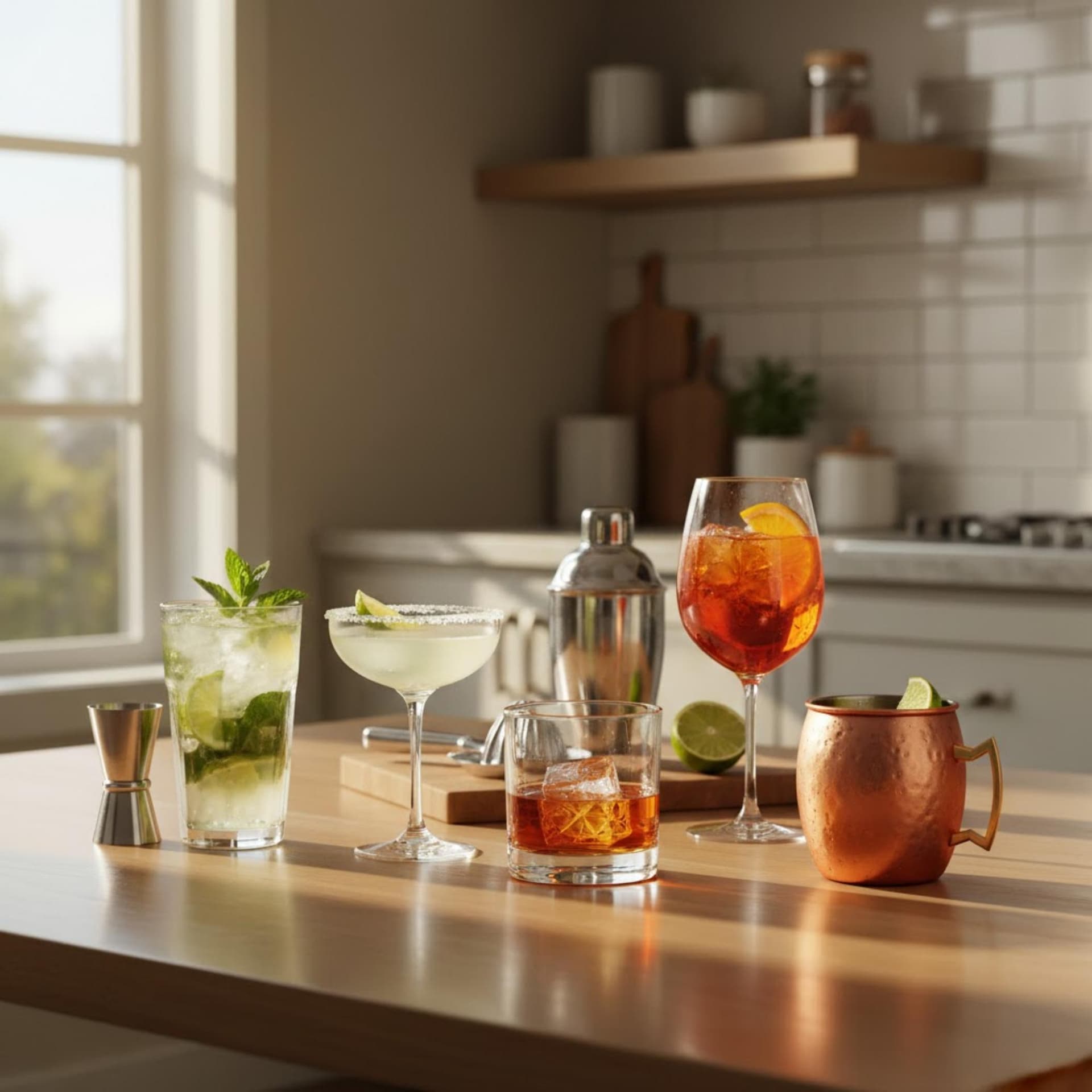
A random drink generator is the fastest way to learn to mix: every cocktail it deals you is a worked example of the same balance - something strong, sweet, and sour, often with a bitter or aromatic accent, cut by dilution. Instead of memorising a hundred recipes, you learn a handful of ratio templates and start building drinks rather than just following them.
Why do traditional cocktail lists fail when you're hosting?
Not sure what to mix tonight? Get a full cocktail or mocktail recipe instantly.
Generate a Random Drink →A printed cocktail list is a fixed menu: it assumes you have every bottle, every garnish, and the time to look each drink up. The moment you are hosting - half the ingredients missing, guests with different tastes, no time to cross-reference - a static list stalls you. You end up making the same two drinks you have memorised, or pouring wine because deciding is too much effort.
It is the same problem that plagues dinner: too many fixed options and no framework for choosing. What you actually need when hosting is not a longer list but a system - a way to build a good drink from whatever is on the bar cart.
How a random drink generator teaches you the laws of flavor balance
Spin a random drink generator a few times and a pattern emerges: nearly every cocktail is the same five levers in different proportions. Learn the levers and you can reverse-engineer anything it deals you - and improvise when you are missing a bottle.
The five levers of every drink
- Strong: the base spirit - the backbone and the alcohol.
- Sweet: simple syrup, liqueurs, or vermouth, to round off the spirit and the acid.
- Sour: fresh citrus or another acid that keeps the drink bright instead of cloying.
- Weak: water, mostly from melting ice - the most underrated element, because proper dilution is what makes a cocktail drinkable rather than a shot.
- Bitter and aromatic: bitters, amari, or garnish oils that add the complexity separating a cocktail from sweetened alcohol.
This balance framework, set out by David Embury and expanded by Gary Regan, holds across almost every drink. A random generator is simply a fast way to see it in action, dozens of times, until reading a new recipe feels like reading a familiar equation.
From random recipes to signature cocktails: The master ratio rule
Here is the part the lists never tell you: there is no single "master ratio" that governs all cocktails - the master rule is the balance itself, expressed through a few family templates. Learn these three and you can place almost any random recipe instantly.
The three templates that cover most drinks
- The sour (Daiquiri, Whiskey Sour, Margarita): roughly 2 parts spirit : 0.75 part citrus : 0.75 part sweet - about 2:1:1, tuned to how tart your citrus is.
- Equal-parts (the Negroni): 1:1:1 spirit, sweet, and bitter - the simplest template to remember and riff on.
- Spirit-forward and stirred (the Old Fashioned, Manhattan): mostly spirit with just a touch of sweetener and bitters, barely diluted.
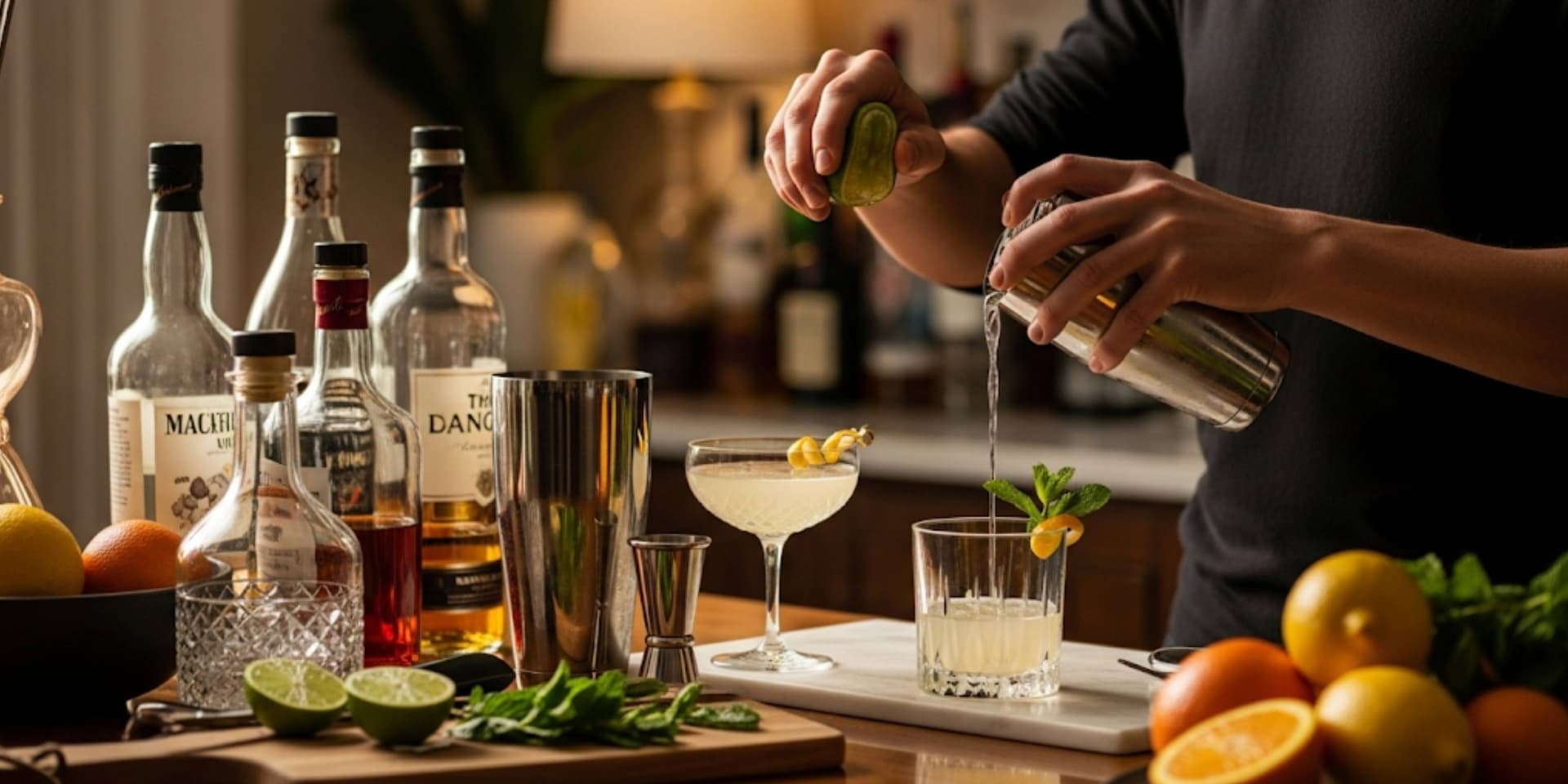
Once you can see which family a drink belongs to, you can turn random recipes into signature cocktails: keep the ratio, swap a spirit or a liqueur, and adjust to taste. That is how bartenders actually invent - not by memorising more recipes, but by mastering a few proportions and a well-stocked set of pantry staples on the bar cart.
Professional Chef Note
Always taste before you serve and adjust the cheapest lever first - a few drops more citrus or syrup fixes most off-balance drinks faster than changing the spirit. Treat the family template as a starting line, then balance to your specific citrus and the sweetness of your spirit.
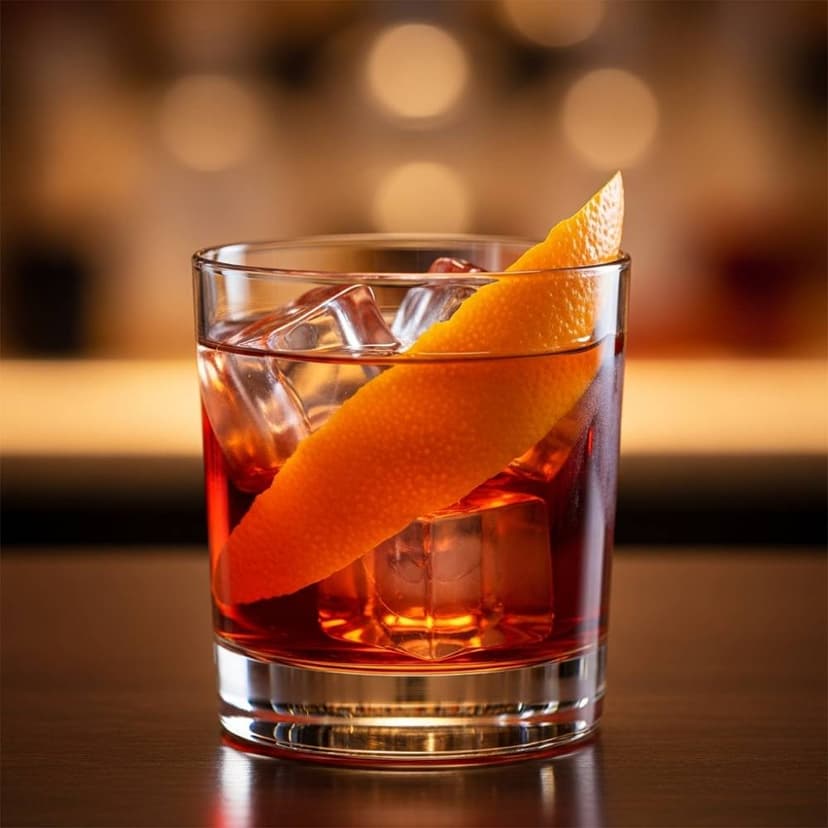
Negroni
A perfectly balanced Italian cocktail, the Negroni is a bittersweet and aromatic blend of gin, Campari, and sweet vermouth, stirred and served over ice.

Old Fashioned
A classic cocktail, the Old Fashioned is a timeless blend of bourbon or rye whiskey, a sugar cube or simple syrup, bitters, and a twist of citrus rind.
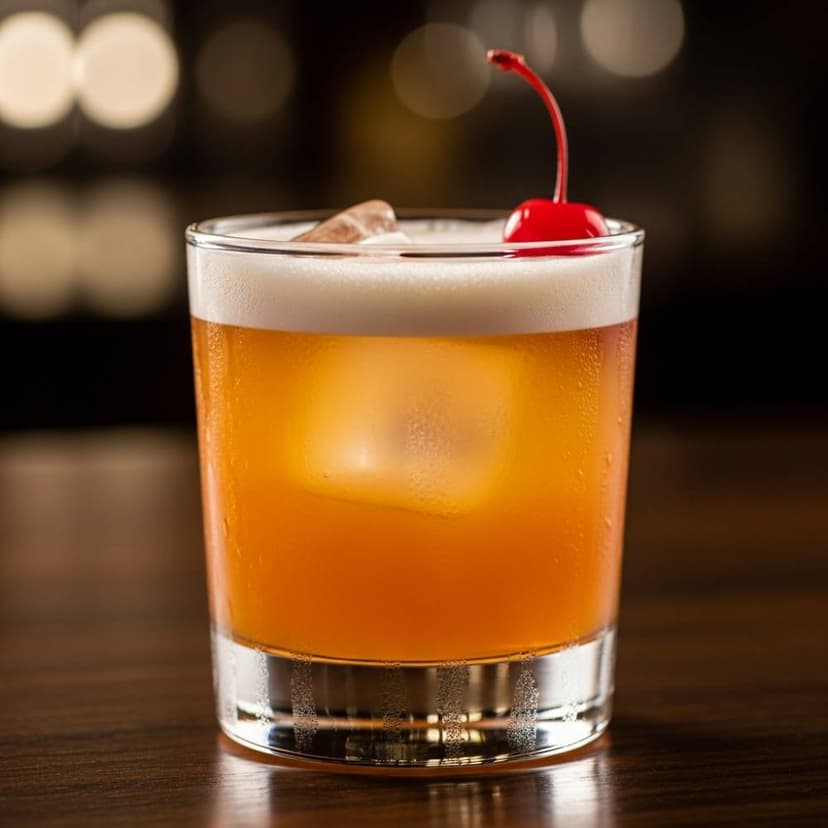
Whiskey Sour
A classic and balanced cocktail featuring whiskey (often bourbon or rye), fresh lemon juice, and simple syrup, garnished with an orange slice and a cherry.
These three are the whole syllabus in miniature: the Whiskey Sour is the 2:1:1 sour template, the Negroni is the 1:1:1 equal-parts family, and the Old Fashioned is the spirit-forward, barely-diluted end of the spectrum. Learn to balance these and you can reverse-engineer almost anything a generator deals you.
Hosting and stuck for a drink? Spin one up and reverse-engineer its balance in seconds.
Random Recipe GeneratorFrequently Asked Questions
A random drink generator is a tool that instantly suggests a cocktail or drink for you, rather than making you scroll a fixed menu. The best way to use one is as a teacher: each drink it deals is a worked example of the same strong, sweet, sour, and bitter balance.
No - different families use different ratios. Sours run about 2:1:1 (spirit:citrus:sweet), equal-parts drinks like the Negroni are 1:1:1, and spirit-forward drinks barely use sour. The real constant is the balance of strong, sweet, sour, weak, and bitter.
Pick a family template - a 2:1:1 sour, a 1:1:1 equal-parts, or a spirit-forward stirred build - then choose a spirit and balance to taste. A random generator is a fast way to practise spotting which template a drink belongs to.
Yes - the same random-generation idea that picks your dinner works for drinks: it removes the decision and exposes you to combinations you would never choose, which is exactly how you build mixing intuition.
Not sure what to mix tonight? Get a full cocktail or mocktail recipe instantly.
Generate a Random Drink →Tags:
Related Reading
 Blog
BlogBartending Guides
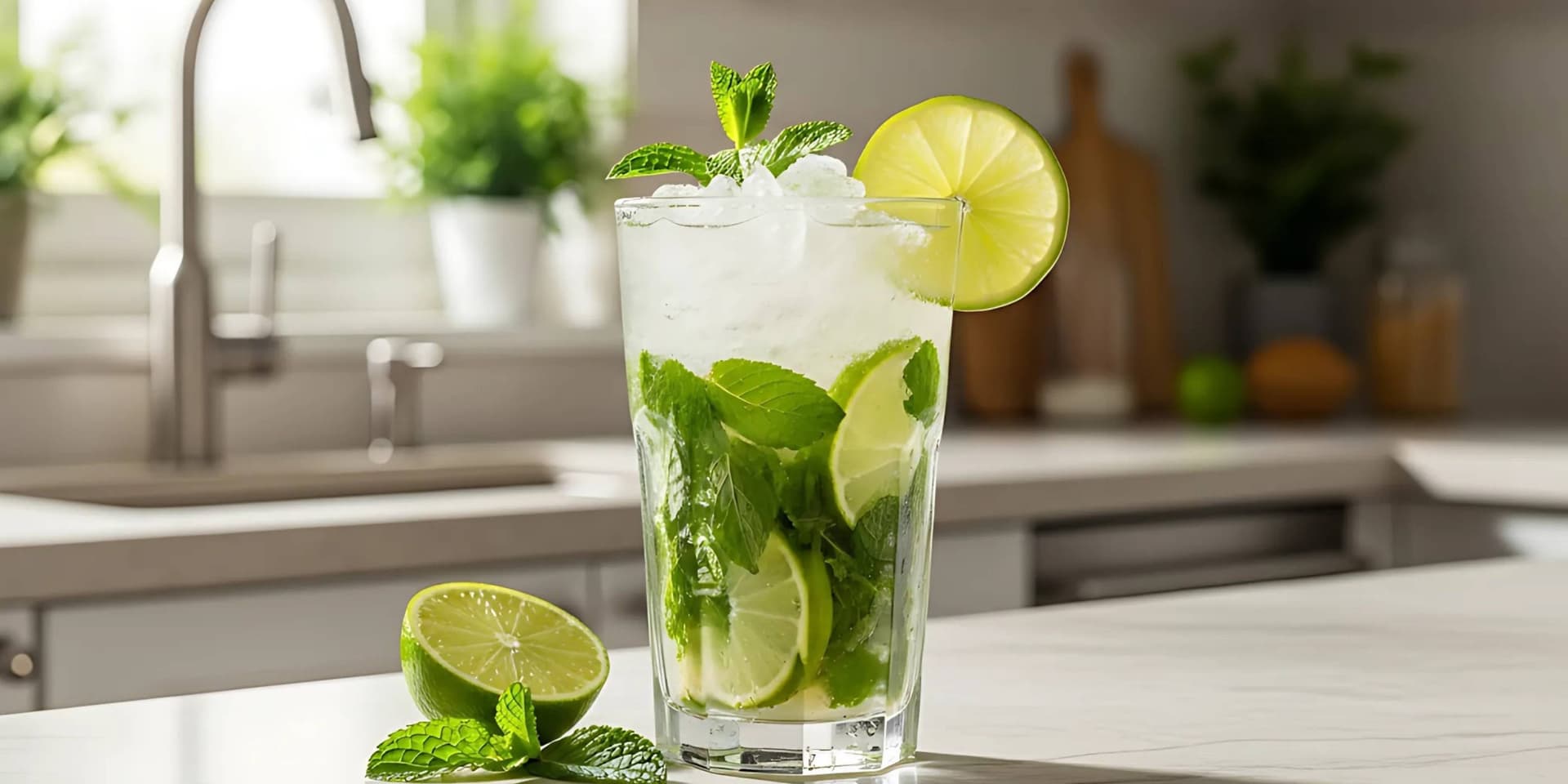
How to Make the Best Mojito: The Ultimate Guide to Perfect Cuban Cocktails
 Blog
BlogCocktails
7 Easy Cocktails to Make at Home (Simple Recipes for Beginners)
 Blog
BlogQuick & Easy Recipes
Top 5 Dinner Ideas: Quick and Easy Recipes for Busy Weeknights (30-Minute Meals)
Ready to Try These Recipes?
Browse our complete recipe collection for more cooking inspiration!