The Digital Sous Chef: Why a Smart Recipe Maker is the Best Dinner Generator
A smart recipe maker is the fastest dinner generator there is - it builds a meal from your pantry in one click. Here's how the digital sous chef beats the cookbook.
The Quick Answer
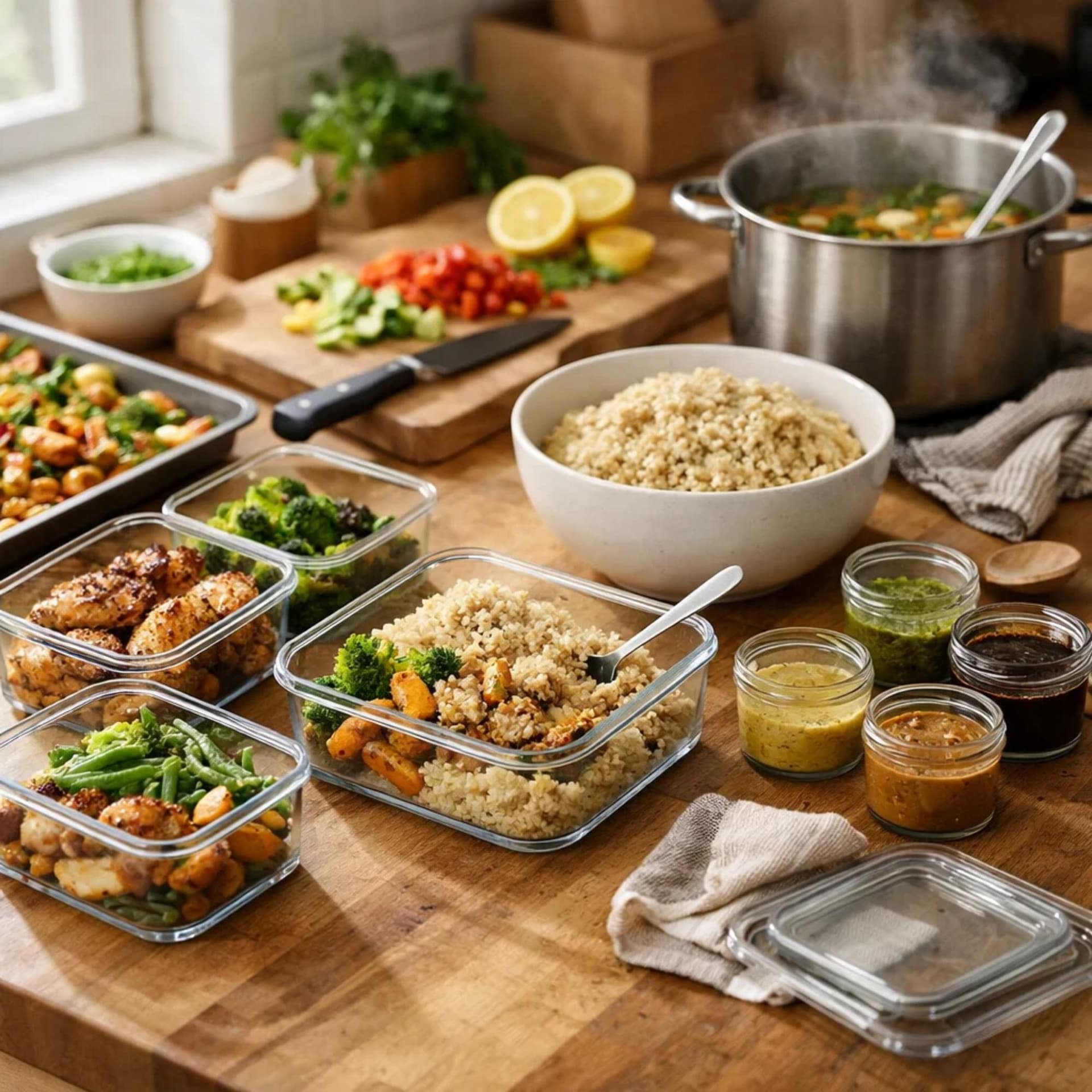
A what-to-make-for-dinner-tonight generator is a smart recipe maker that turns "I have no idea what to cook" into a complete, ready-to-make meal in a single click. Instead of hunting for ideas, you hand it your ingredients, diet, or time limit and it assembles the dinner for you - faster than flipping a single page of a cookbook.
How does a digital recipe maker solve pantry waste?
Can't decide what to make? Let our generator pick for you instantly.
Generate a Random Recipe →A paper cookbook works in the wrong direction for waste: it lists ingredients you must go and buy, while whatever is already in your fridge sits there until it spoils. A digital recipe maker inverts that. You search by what you already have, and it returns meals built around those exact ingredients - so the half-pack of mushrooms and the wilting spinach become tonight's dinner instead of next week's bin.
That single change - querying your own pantry instead of the supermarket - is one of the simplest ways to cut food waste. Pair it with a little meal prep and you stop buying for recipes and start cooking from stock, which is both cheaper and faster.
Why should you use an automated what to make for dinner tonight generator?
Because the slow part of dinner was never the cooking - it was the deciding. An automated generator collapses that into one click and hands you a plan before a cookbook is even open.
What the automation actually saves you
- Speed: one click returns a full recipe, while browsing a site or a cookbook for an idea burns minutes you do not have at 6pm.
- No decision fatigue: it makes the first choice for you, so you react to a suggestion instead of conjuring one from a blank slate.
- Constraint-aware: filter by diet, cuisine, cook time, or a quick weeknight limit, and it only surfaces what actually fits tonight.
- Built-in variety: randomised results nudge you past your usual rotation with zero extra effort.
The shift from paper cookbooks to algorithmic meal planning
A cookbook recipe is static - written once, fixed forever, and you adapt to it. Algorithmic meal planning flips that relationship: the tool adapts to you, re-sorting thousands of recipes in real time around your ingredients, your diet, and your clock. The recipe stops being a destination you travel to and becomes a response to your exact situation.
Think of it as a digital sous chef. As part of a smart kitchen workflow, an AI-powered recipe tool does the prep-cook's job - scanning what is available, proposing the dish, and handing you the plan - so all you have to do is cook. That is the real upgrade over the cookbook: not better recipes, but a far faster path from "what's for dinner" to a pan on the heat.
Professional Chef Note
Treat the generator as your sous chef, not your head chef: let it propose and plan, then trust your own palate to finish the dish. The speed comes from outsourcing the decision and the search - the judgement stays yours.

Easy Chicken Stir Fry with Vegetables (30-Minute Dinner)
Tender strips of chicken with crisp vegetables in a savoury soy and ginger sauce — ready in 30 minutes and better than a takeaway.
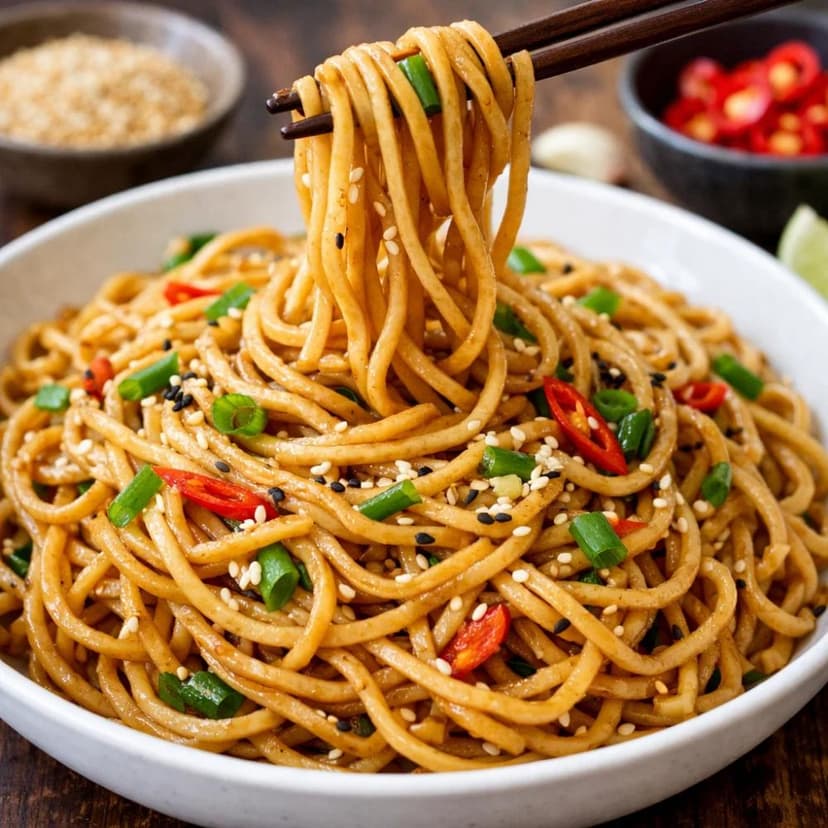
Sesame Noodles (Easy Asian-Inspired Recipe)
Chewy noodles tossed in a rich, nutty sesame sauce with garlic, ginger, soy sauce, and a touch of rice vinegar. Ready in 15 minutes and served at room temperature, making them ideal for meal prep, packed lunches, or a quick dinner. Topped with cucumber, spring onions, and sesame seeds for freshness and crunch.
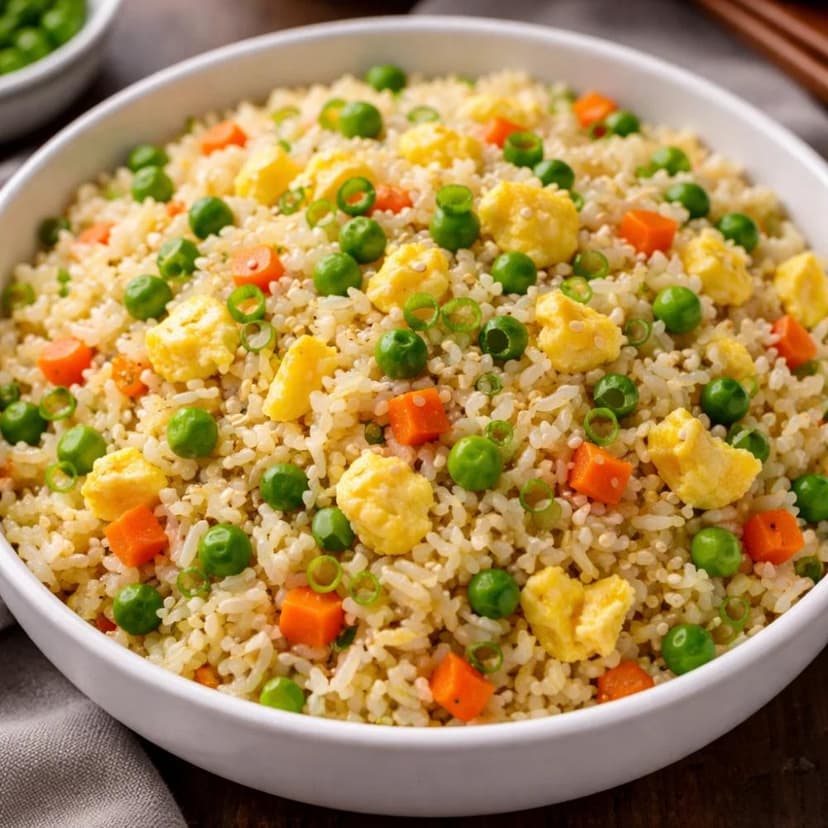
Simple Egg Fried Rice (Better Than Takeaway — 15-Minute Recipe)
Golden, smoky egg fried rice with perfectly separated grains, seasoned with soy sauce and sesame oil. Ready in 15 minutes using day-old rice — cheaper and tastier than any takeaway.
Fast, flexible dinners like egg fried rice, a quick chicken stir-fry, or sesame noodles are exactly what a smart recipe maker surfaces best - high-overlap meals you can build from what is already in the cupboard. Generate a week of them and the cookbook never leaves the shelf.
Skip the deliberation. Tell your digital sous chef what you have and get tonight's dinner in one click.
Random Recipe GeneratorFrequently Asked Questions
A recipe maker is a digital tool that builds a complete recipe for you from inputs like your available ingredients, diet, or time, rather than making you search a fixed list of recipes. The best ones return a full dish, with steps, in one click.
The best one is fast, free, and filterable: it should turn your ingredients or constraints into a complete dinner in a single click, with no login. Reacting to its suggestion is far quicker than deciding from scratch.
By letting you search using the ingredients you already have, so it steers you toward using up what is in your fridge instead of buying new items for a fixed recipe - one of the easiest ways to cut waste.
For weeknight speed, yes - it re-sorts in real time around your pantry, diet, and time, while a cookbook is static and sends you shopping. Cookbooks still win for deep technique and reading.
Can't decide what to make? Let our generator pick for you instantly.
Generate a Random Recipe →Tags:
Related Reading
GuideKitchen Gear & Tools
Stuck on What to Eat? How a Random Food Generator Breaks Decision Paralysis
 Blog
BlogKitchen Gear & Tools
What Should I Have for Dinner Tonight? The Decision-Paralysis Cure
 Blog
BlogKitchen Gear & Tools
Behind the Code: How an AI Recipe Maker Builds Meals From a Few Ingredients
Ready to Try These Recipes?
Browse our complete recipe collection for more cooking inspiration!