How to Freeze Dashi Stock Without Losing Its Aroma
Dashi freezes beautifully if you cool it first, portion into cubes, and seal out air. Here's how to lock in that delicate katsuobushi aroma for a month or more.

The Quick Answer
Yes, dashi freezes well. Cool it completely, then freeze it in airtight containers or ice-cube trays so you can portion exactly what a recipe needs. Use it within about a month to keep the delicate katsuobushi and kombu aroma at its peak, though it stays safe much longer. Reheat gently and never hard-boil it.
Why Frozen Dashi Loses Its Aroma (and How Freezing Protects It)
Have ingredients but no plan? Our AI turns what you have into a custom recipe in seconds.
Try the AI Recipe Generator →The flavor that makes dashi special isn't the salt or the body. It's aroma. The signature smoky-savory scent comes from delicate, volatile compounds released by katsuobushi (dried bonito) and kombu (kelp). Volatile means exactly that: those molecules want to escape into the air. The moment your dashi sits warm and exposed, they start drifting away.
Freezing is the best tool you have to slow that loss, because cold locks those aromatic molecules in place and halts the slow degradation that happens even in the fridge. But freezing only helps if you do it right. Two enemies undo your work: heat and air. Freezing warm dashi traps steam and drives off aromatics before the liquid even solidifies, and air trapped in a container or bag lets oxidation dull the flavor over weeks.
That's why the goal is to freeze promptly, cool first, and seal tightly. Done well, frozen dashi tastes remarkably close to fresh. Left loose and warm, it turns flat and faintly fishy. The technique is the whole game.
How to Freeze Dashi the Right Way
Steps for aroma-safe freezing
- Step 1: Cool the dashi completely before it goes anywhere near the freezer. Never freeze it warm, which traps steam and drives off the very aromatics you want to keep.
- Step 2: Portion it into ice-cube trays for the most flexibility, so you can pop out exactly as much as a recipe needs, or use small airtight containers for larger portions.
- Step 3: Once the cubes are solid, transfer them to a freezer bag and squeeze out all the air to limit oxidation that dulls flavor over time.
- Step 4: Label and date every container or bag so you can track freshness at a glance.
- Step 5: Aim to use the dashi within about a month for the brightest aroma, even though it stays safe to eat well beyond that.
- Step 6: Avoid thawing and refreezing the same dashi repeatedly, since each cycle batters the flavor.
- Step 7: When you cook with it, reheat gently and stop before a rolling boil, which blows off the aromatics.
Professional Chef Note
Don't toss your spent kombu and katsuobushi. Freeze them, and later simmer them into a second, lighter batch called niban dashi. It's milder than the first extraction but perfect for braises and simmered dishes where a subtle backbone is all you need.
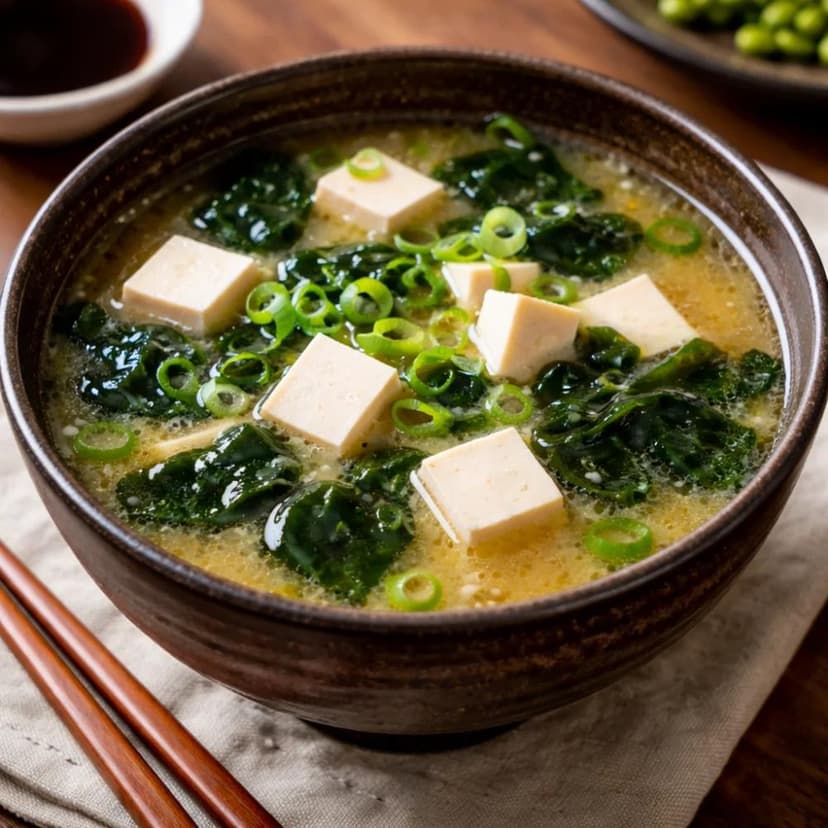
Miso Soup with Tofu and Wakame (Authentic Japanese Recipe)
Japan's most fundamental daily soup — a clean, savoury dashi broth gently stirred with miso paste, soft tofu cubes, and rehydrated wakame seaweed. Deeply nourishing, ready in 10 minutes, and endlessly comforting.
Miso soup is the clearest test of well-stored dashi, because there's nowhere for a flat stock to hide. The broth is the dish. Drop a frozen cube or two straight into the warming pot, let it melt gently, then whisk in your miso off the boil so both the dashi aromatics and the miso's living flavor survive intact.
Keep a tray of dashi cubes ready and a bowl of real miso soup becomes a five-minute, any-night affair. Try it the next time you've got dashi to spare.
Fresh vs. Frozen Dashi: What Actually Changes
What to expect from each
- Aroma: Fresh dashi is at its peak; properly frozen dashi within a month comes very close; loosely stored or month-plus dashi noticeably fades.
- Safety: Frozen dashi stays safe to eat well past the one-month mark. The window is about flavor quality, not spoilage.
- Convenience: Frozen cubes win outright, letting you portion exactly what a recipe calls for with zero waste.
- Best use: Reserve your freshest or best-frozen dashi for clear soups and broths where aroma leads; save older cubes or niban dashi for braises and simmered dishes where it's a background note.
Got odd bits of dashi, miso, or vegetables to use up? Turn them into a dish in seconds.
Use Up Your LeftoversFrequently Asked Questions
Frozen dashi stays safe to eat well beyond a month, but for the best, brightest aroma you should aim to use it within about a month. After that it remains usable, just with a duller flavor.
Yes, ice-cube trays are the ideal way to freeze dashi. They let you pop out exactly as much as a recipe needs. Once the cubes are solid, transfer them to a freezer bag and squeeze out the air.
Flat frozen dashi usually means aromatics were lost to heat or air. Freezing it warm or storing it with trapped air dulls the flavor, and so does boiling it hard when you reheat, which drives off the volatile aromas.
Yes. Freeze the spent kombu and katsuobushi, then simmer them later into a second, lighter batch called niban dashi, which works well in braises and simmered dishes.
Have ingredients but no plan? Our AI turns what you have into a custom recipe in seconds.
Try the AI Recipe Generator →Tags:

Ready to Try These Recipes?
Browse our complete recipe collection for more cooking inspiration!