Instant Dashi vs. Homemade Dashi (Quality Guide)
Hondashi is fast and salty; homemade kombu-katsuobushi dashi is cleaner and aromatic. Learn the flavor tradeoffs and exactly when to use each.

The Quick Answer
Instant dashi (hondashi granules) is fast, shelf-stable, and consistent, but it is formulated with added salt and MSG, so it tastes stronger and saltier with less nuance. Homemade dashi from kombu and katsuobushi is cleaner, more aromatic, and unsalted, but takes time and spoils within days. Use instant when dashi is a background note; make it fresh when the broth is the star.
Why Instant and Homemade Dashi Taste So Different
Can't decide what to make? Let our generator pick for you instantly.
Generate a Random Recipe →The two products are built to solve the same job in opposite ways. Hondashi granules are engineered for impact: alongside dried bonito and kombu extract, they typically carry added salt, MSG, and sometimes sugar and other flavor additives. That formulation is what gives instant dashi its bold, savory punch straight out of the jar, but it also explains why it lands noticeably saltier and more uniform on the palate, with less of the delicate marine character of fresh stock.
Homemade dashi takes the slow route. Kombu and katsuobushi (or a vegan kombu-and-shiitake version) are steeped gently, releasing glutamates and inosinate without any added salt. The result is paler, more golden and clear, and carries a subtle sea fragrance that instant versions flatten out. Because you add no salt during extraction, the seasoning is entirely in your hands.
The visual difference tells the story. Instant dashi tends to brew darker and consistent batch to batch; homemade is lighter, more fragrant, and more variable depending on your ingredients and timing. The tradeoff is convenience versus control and freshness.
How to Choose the Right Dashi for the Job
Match the dashi to the dish
- Reach for instant on a busy weeknight, or whenever dashi is a background note inside a heavily seasoned dish like a stir-fry sauce, glaze, or rich stew.
- Make it fresh for clear soups, delicate simmered dishes, and anything where the broth itself is the star and its aroma matters.
- Because instant already contains salt, season the rest of the dish lightly and taste before adding soy sauce or miso to avoid over-salting.
- Because homemade contains no salt, build your seasoning from scratch and adjust to your own preference for full control.
- Use homemade within a few days, or freeze it in portions so a fresh batch is always within reach.
- Try the middle path: drop a small piece of real kombu into your instant dashi as it heats for a rounder, more aromatic result that splits the difference.
Professional Chef Note
For the cleanest homemade dashi, never let the kombu come to a rolling boil and pull it just before the simmer; aggressive heat drags out bitterness and a slick, ropey texture that muddies the clarity you are working so hard to preserve.
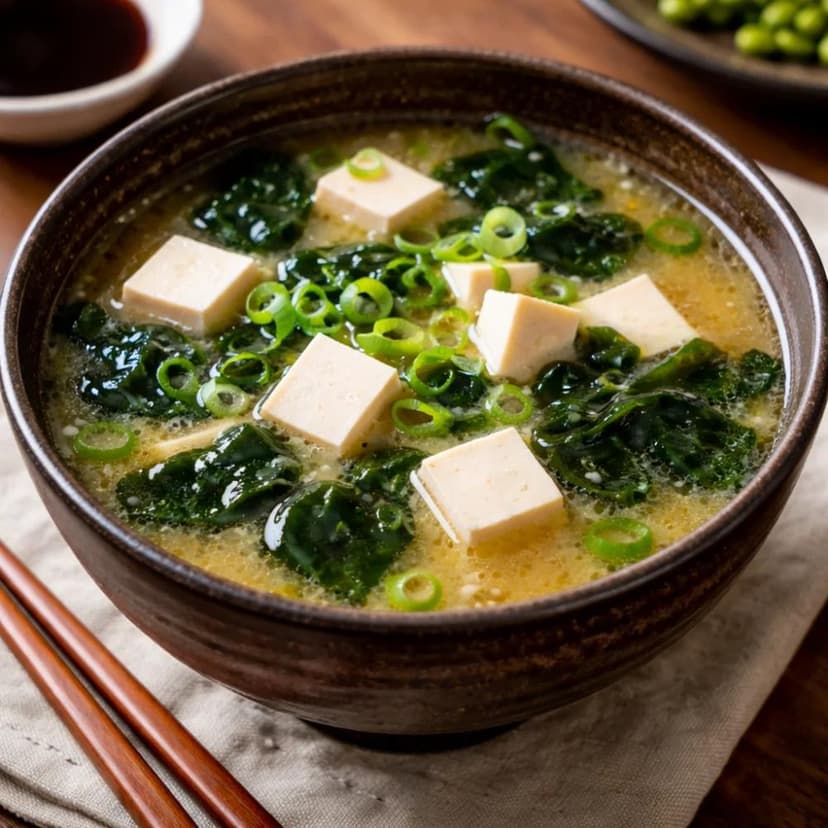
Miso Soup with Tofu and Wakame (Authentic Japanese Recipe)
Japan's most fundamental daily soup — a clean, savoury dashi broth gently stirred with miso paste, soft tofu cubes, and rehydrated wakame seaweed. Deeply nourishing, ready in 10 minutes, and endlessly comforting.
Miso soup is the clearest place to taste the difference. Here the broth is the entire dish, so a fresh, fragrant dashi rewards you with delicate clarity and aroma that instant simply cannot match. Make a homemade batch and you will notice the lighter color and gentle sea scent the moment you whisk in the miso.
That said, the same recipe works beautifully with hondashi on a hectic evening. Just go easy on added salt, since the granules bring their own. Try it both ways and let your own palate decide which version earns a spot in your weeknight rotation.
Instant vs. Homemade Dashi at a Glance
Quick comparison
- Speed: instant is ready in seconds; homemade takes time to steep and strain.
- Salt and additives: instant contains added salt and MSG (sometimes sugar); homemade has none, so you season it yourself.
- Flavor and aroma: instant is bolder, saltier, and uniform; homemade is cleaner, lighter, and more fragrant.
- Appearance: instant brews darker and consistent; homemade is paler and more golden-clear.
- Shelf life: instant is shelf-stable for months; homemade lasts only a few days refrigerated, or freeze it.
- Best for: instant suits background-note dishes; homemade suits clear soups and delicate simmered fare.
Not sure what to cook with your fresh batch of dashi tonight? Let the generator pick for you.
Find a RecipeFrequently Asked Questions
Instant dashi is convenient and consistent but tastes stronger and saltier because it contains added salt and MSG, with less delicate aroma. Homemade dashi is cleaner, more fragrant, and unsalted, so it is better for dishes where the broth is the star.
Yes. Hondashi granules are typically formulated with added salt and MSG, and sometimes sugar and other flavor additives, which is why they taste bolder and saltier than fresh dashi. Season dishes carefully and taste before adding more salt.
Homemade dashi is perishable and best used within a few days when refrigerated. For longer storage, freeze it in portions so you always have a fresh-tasting batch on hand.
Yes. A useful middle path is to add a small piece of real kombu to your instant dashi as it heats, which gives a more rounded, aromatic result that lands between hondashi and fully homemade stock.
Can't decide what to make? Let our generator pick for you instantly.
Generate a Random Recipe →Tags:

Ready to Try These Recipes?
Browse our complete recipe collection for more cooking inspiration!