Why Are My Mashed Potatoes Gummy Like Glue? (The Starch Over-Work Fix)
Gluey mashed potatoes come from ruptured cells flooding the mix with sticky starch. Learn why it happens - and how to transform the glue into a crisp gratin.
The Quick Answer
Mashed potatoes turn gluey when the cooked potato cells rupture and flood the mix with sticky, gelatinised starch - most often from over-working them in a food processor, blender, or electric mixer, but also from overcooking or using waxy, low-starch potatoes. You cannot un-rupture the cells, so the best fix is to transform gluey mash into a crisp gratin: spread it in a baking dish, top with butter and grated cheese, bake at 200C (400F) for about 15 minutes, then briefly broil for a shattering crust.
The Molecular Trap: Rupturing the Cell Walls
Have ingredients but no plan? Our AI turns what you have into a custom recipe in seconds.
Try the AI Recipe Generator →A potato is a matrix of cells cemented together by a pectin-rich layer between them - the middle lamella - with starch granules packed inside each cell. When you boil potatoes, those granules absorb water and gelatinise. Mash them gently with a hand masher or push them through a ricer and the cells mostly separate intact, sliding past one another into a light, fluffy texture.
Use a high-speed blade - a food processor, immersion blender, or electric mixer - and you shear the cells open, spilling the gelatinised starch from inside them straight into the mix. That starch is a sticky, amylopectin-rich paste (potato starch is roughly 75 to 80 percent amylopectin, the component that makes things gummy), and once it is free it turns your side dish into something closer to wallpaper paste.
Over-working is the most common cause, but not the only one: overcooking bursts the cells before you even start mashing, and waxy, low-starch potatoes go gluey more easily than floury varieties like Russets or Maris Pipers.
The Transformation Strategy (The Only Real Fix)
You cannot un-rupture a starch cell, and adding more milk or water just makes thinner glue. The reliable move is to stop fighting the dense texture and turn it into something that is meant to be rich and crisp.
Turn gluey mash into a crisp gratin
- Spread it out: grease a shallow baking dish and spread the starchy mash into an even layer.
- Shield with fat: brush the top generously with melted butter so the surface crisps instead of drying out.
- Add a cheese crust: cover with a thick layer of shredded Parmesan or Gruyere.
- Bake and broil: bake at 200C (400F) for about 15 minutes - mostly to brown the top, since the potato is already cooked - then finish under the broiler for 2 to 3 minutes until the surface is deeply browned and shattering-crisp. The crunchy crust offsets the dense interior beneath.
Professional Chef Note
Prevention beats any rescue: choose floury potatoes (Russet, Maris Piper), do not boil them to total collapse, and mash by hand or with a ricer while they are still hot. Reach for a food processor and you are almost guaranteed glue.
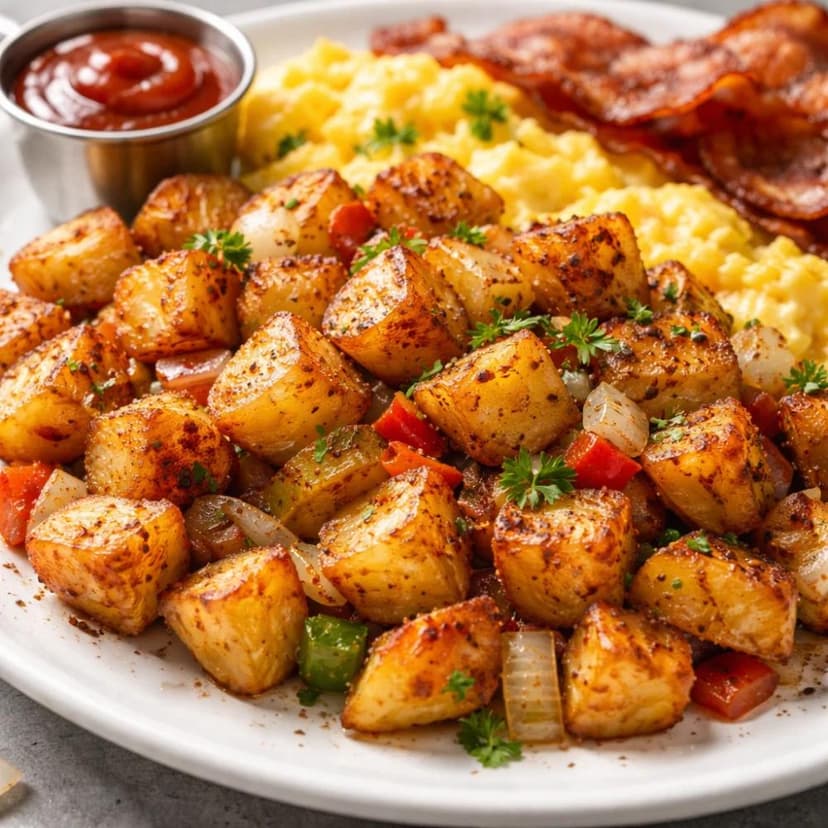
Crispy Breakfast Potatoes (Diner-Style at Home)
Golden, crispy-edged breakfast potatoes seasoned with smoked paprika, garlic, and onion. Parboiled first for a fluffy interior and fried in a cast iron pan for a proper diner-style crust.
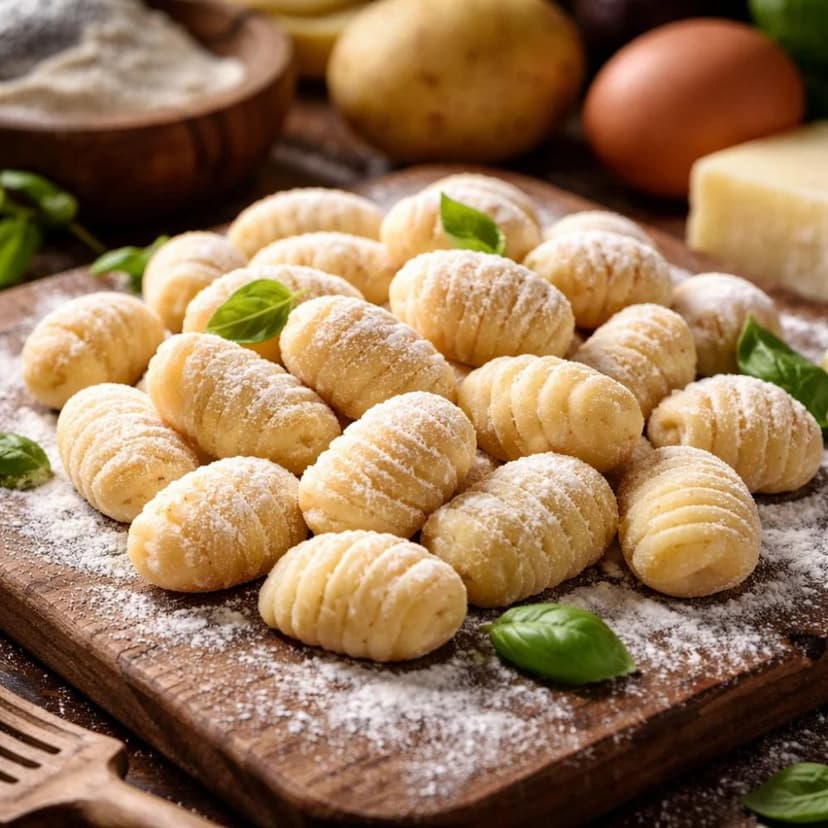
Handmade Potato Gnocchi (Beginner-Friendly Guide)
Pillowy, cloud-like potato gnocchi made by hand — one of the most satisfying things you can cook from scratch. The technique is straightforward but requires a light touch: too much flour produces dense, heavy dumplings; too little and they fall apart. Made right, homemade gnocchi are feather-light and entirely different from the dense, shop-bought variety. Serve with brown butter and sage, or any sauce you love.
It is the same lesson behind great potato gnocchi - work the potato as little as possible or the dough turns tough and gluey - and the reason crispy breakfast potatoes win on texture. Both reward a light hand and a hot surface over heavy mashing.
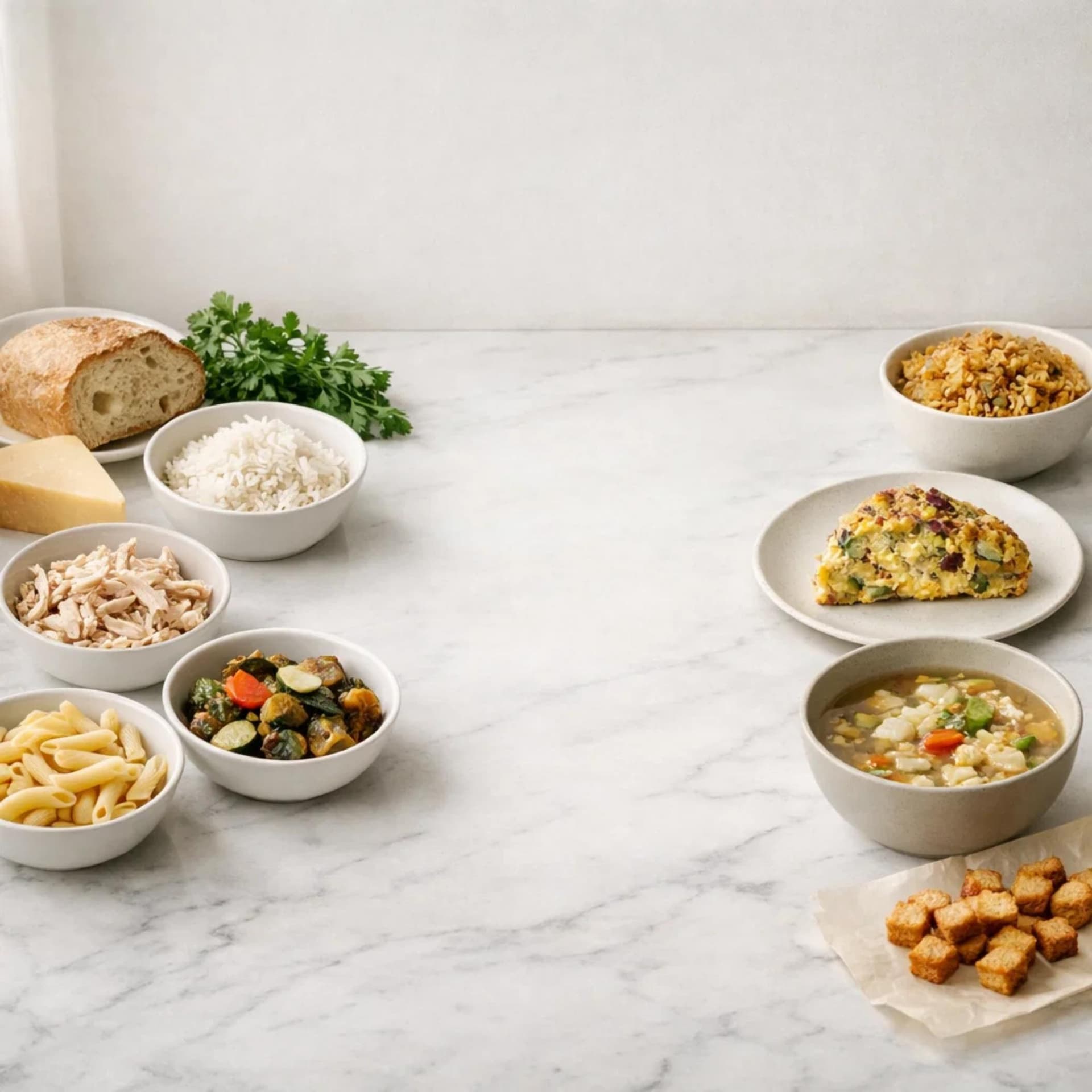
An over-whipped batch of potatoes does not belong in the bin. Tell us what else you have on hand and we will turn the accident into dinner.
Use Up Your LeftoversFrequently Asked Questions
Because the potato cells were ruptured and released sticky gelatinised starch - usually from over-working them in a food processor or mixer, but also from overcooking or using waxy, low-starch potatoes. Mash gently by hand or with a ricer instead.
You cannot reverse the released starch, and adding liquid just thins the glue. The best fix is to repurpose them: spread into a dish, top with butter and cheese, then bake and broil into a crisp potato gratin.
Floury, high-starch varieties like Russet or Maris Piper mash up fluffier and resist gumminess. Waxy, low-starch potatoes hold more moisture and turn gluey more easily.
Its high-speed blade shears open the cooked potato cells and floods the mix with free gelatinised starch, which is intensely sticky. A hand masher or ricer keeps most cells intact for a light texture.
Have ingredients but no plan? Our AI turns what you have into a custom recipe in seconds.
Try the AI Recipe Generator →Tags:
Ready to Try These Recipes?
Browse our complete recipe collection for more cooking inspiration!