Mirin Substitute: 7 Swaps With Exact Ratios
Out of mirin? Here are seven substitutes with the exact measurements for each, which to use for teriyaki versus a simmered dish, and the two swaps to avoid.
The Quick Answer
The best all-round mirin substitute is 1 tablespoon of rice vinegar plus 1 to 2 teaspoons of sugar, stirred until the sugar fully dissolves, for every 1 tablespoon of mirin. Use 2 teaspoons of sugar for glazes and teriyaki, 1 teaspoon for simmered dishes and dressings. If you have dry sherry or sake, use 1 tablespoon plus 1 teaspoon of sugar instead, which is closer to real mirin because it keeps the alcohol and the depth that comes with it.
What Mirin Actually Does in a Dish
Can't decide what to make? Let our generator pick for you instantly.
Generate a Random Recipe →Mirin is a sweet Japanese rice wine, roughly 40 to 50 percent sugar, with mild acidity, a low alcohol content and a soft savoury undertone from fermentation. It is doing four separate jobs at once, and knowing which one you actually need is what makes a substitute work.
It sweetens, but in a rounder way than plain sugar. It adds gentle acidity that keeps rich or fatty dishes from tasting flat. Its sugars caramelise into that glossy, lacquered coat on teriyaki and glazed fish. And the alcohol carries aroma and helps tame strong smells, which is why it turns up so often alongside fish and dark meat.
Most recipes only lean on two of those four. A teriyaki glaze wants sweetness and shine. A simmered daikon wants sweetness and balance. A marinade for mackerel wants the alcohol. Match the substitute to the job the recipe is asking for and the swap becomes almost invisible.
The 7 Best Mirin Substitutes, Ranked
With the exact ratio for each
- 1. Rice vinegar plus sugar. For every 1 tablespoon of mirin, use 1 tablespoon rice vinegar plus 1 to 2 teaspoons sugar. The most accurate everyday swap and the one to reach for first. Dissolve the sugar completely or the glaze will not shine.
- 2. Dry sherry plus sugar. 1 tablespoon dry sherry plus 1 teaspoon sugar per tablespoon of mirin. Closest to the real thing when the recipe is using mirin for depth rather than sweetness, because the alcohol and the fermented notes both survive.
- 3. Sake plus sugar. 1 tablespoon sake plus 1 teaspoon sugar per tablespoon. Sake is mirin's dry sibling, so you are only adding back the sweetness. Ideal in Japanese recipes that already call for both.
- 4. Dry white wine plus sugar. 1 tablespoon wine plus 1 teaspoon sugar per tablespoon. More acidic and more grape-forward than mirin, so best in dishes with strong aromatics that will cover the difference.
- 5. White grape juice plus rice vinegar. 1 tablespoon juice plus a quarter teaspoon of vinegar per tablespoon. The easiest ready-made option: sweetness and body already in the bottle, alcohol-free, and no dissolving required.
- 6. Dashi or water plus sugar and vinegar. 1 tablespoon dashi, 1 teaspoon sugar, a quarter teaspoon rice vinegar. Dashi adds back the savoury note that a plain vinegar swap loses, which makes it the best choice for simmered dishes.
- 7. Aji-mirin or mirin-style seasoning. Use 1 for 1, then taste. It is already sweetened and much lower in alcohol than hon-mirin, and it is often saltier, so hold back on the soy until you have tried it.
Two swaps to avoid
- Dry sake or sherry on its own, with no sugar added. This is the most common mistake. Mirin is roughly half sugar, so an unsweetened wine leaves the dish sharp and thin, and a teriyaki made this way will never gloss.
- Rice vinegar on its own. Same problem in reverse: all the acidity, none of the sweetness. On its own it reads sour rather than balanced. The sugar is not optional.
Professional Chef Note
Dissolve the sugar into the liquid before it goes anywhere near the pan, warming it gently if it is stubborn. Undissolved sugar is the single reason homemade mirin swaps fail to produce that lacquered shine, because the crystals scorch on the pan base instead of reducing into a syrup.
Which Substitute for Which Dish
Match the swap to the job
- Teriyaki and glazes: rice vinegar with the full 2 teaspoons of sugar, or sake plus sugar. You need the sugar load for the shine, so this is the one case where you should lean sweet.
- Simmered dishes such as nimono or braised daikon: dashi with sugar and a splash of vinegar. The savoury base matters more here than the acidity.
- Marinades for oily fish: dry sherry or sake plus sugar. Keep the alcohol, because that is what is dealing with the smell and carrying the aroma into the flesh.
- Sushi rice seasoning: rice vinegar plus sugar, and add slightly less sugar than usual since the seasoning is already sweet.
- Dressings and dipping sauces: rice vinegar with only 1 teaspoon of sugar, or white grape juice if you want no sharp edge at all.
- Alcohol-free cooking of any kind: rice vinegar plus sugar, or white grape juice plus vinegar. Skip sake, sherry and wine entirely.
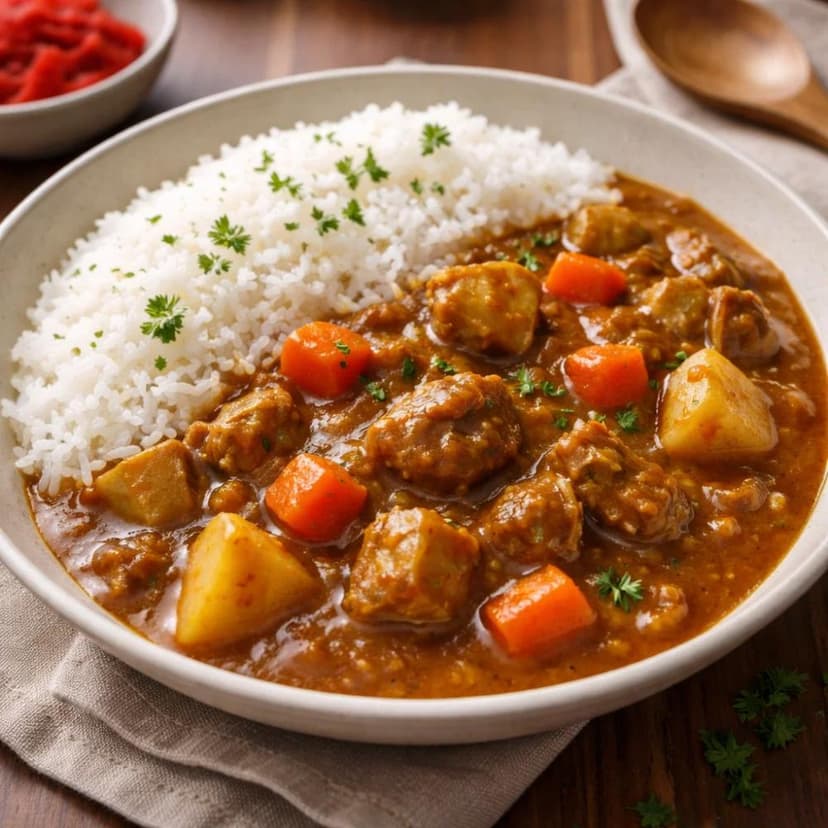
Japanese Curry Rice (Easy Comfort Food at Home)
Japanese curry rice is the ultimate comfort food — a mild, glossy, warmly spiced curry sauce loaded with tender chicken or beef, soft vegetables, and served over a mound of sticky short-grain rice. Unlike Indian curries, Japanese curry is sweeter, milder, and thicker, with a distinctive savoury depth. Using shop-bought curry roux blocks makes it achievable on any weeknight without sacrificing an ounce of flavour.
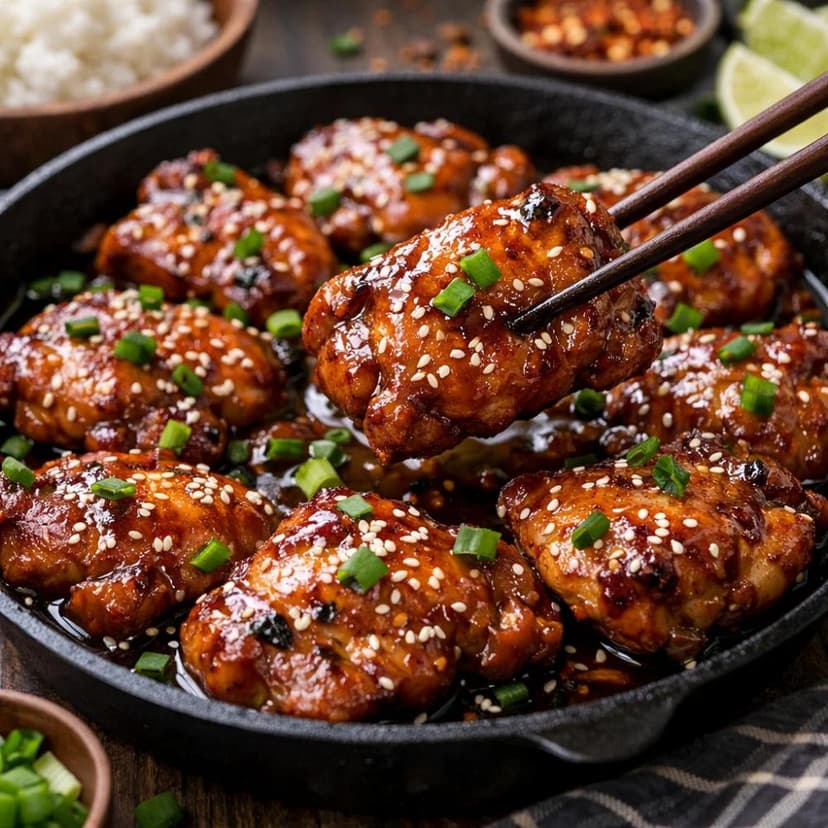
Sticky Soy Honey Chicken (Sweet and Savory Dinner)
Deeply caramelised chicken thighs glazed in a sticky, glossy sauce of soy sauce, honey, garlic, and ginger — sweet, salty, savoury, and deeply satisfying. The sauce reduces in the pan alongside the chicken, coating each piece in a thick, lacquered glaze with complex caramelised notes. Ready in 30 minutes from a single pan, this is Asian-inspired comfort food at its most accessible: genuinely impressive flavour from a handful of pantry ingredients.
Both of these lean on the sweet-savoury backbone where mirin normally sits, so they are useful places to see whether your ratio is right. In the Japanese curry, the vinegar and sugar round out the roux and stop the spice sitting flat.
The sticky soy honey chicken is the clearest test of all, because the glaze either clings or it does not. If your sugar was fully dissolved, it will reduce into a coat that hangs on the chicken. If it was not, you will see it pool in the pan instead.
Mirin vs Rice Vinegar vs Sake
These three get confused constantly, and it is worth being precise, because the fix depends entirely on which one you have. Mirin is sweet and barely acidic. Rice vinegar is acidic and not sweet at all. Sake is neither sweet nor acidic, but it is alcoholic and carries a light fermented depth.
So rice vinegar becomes mirin when you add sugar. Sake becomes mirin when you add sugar. And mirin becomes sake, roughly, if a recipe wants sake and you cut back the other sweeteners in the dish to compensate.
It is also worth checking which mirin your recipe assumes. Hon-mirin is the true brewed product, around 14 percent alcohol, and is what Japanese recipes mean. Aji-mirin is a sweetened seasoning with little alcohol and often added salt, which is what most Western supermarkets stock. If your dish tastes oddly salty, that difference is usually the reason.
Making an Alcohol-Free Version
If you are avoiding alcohol entirely, ignore the sake, sherry and wine options above and build the swap from vinegar and sugar. For every tablespoon of mirin, combine 1 tablespoon of rice vinegar with 1 to 2 teaspoons of sugar and dissolve it fully.
Two refinements make the alcohol-free version noticeably better. Add a small splash of dashi in place of some of the vinegar to bring back the savoury note that fermentation would normally provide. And let the sauce simmer a minute longer than the recipe says, which concentrates it and rebuilds some of the body that the missing alcohol would have carried.
One caution on labels: mirin-style seasoning is low in alcohol but rarely zero, so it is not a safe choice if you are avoiding alcohol for medical or religious reasons. Build your own and you know exactly what is in it.
Got a half-empty pantry and no mirin in sight? Let our generator build a dish around exactly what you do have.
Cook With What You HaveFrequently Asked Questions
For every tablespoon of mirin, mix 1 tablespoon of rice vinegar with 1 to 2 teaspoons of sugar and stir until the sugar has fully dissolved. Use 2 teaspoons for glazes and teriyaki and 1 teaspoon for simmered dishes. If you have sake or dry sherry, 1 tablespoon plus 1 teaspoon of sugar is even closer to real mirin.
Only with sugar added. Plain rice vinegar is acidic and not sweet, while mirin is roughly 40 to 50 percent sugar, so on its own it will make the dish taste sour and thin. Combine 1 tablespoon of vinegar with 1 to 2 teaspoons of sugar per tablespoon of mirin.
Yes, as long as you add sugar. Sake has the alcohol and the fermented depth but none of the sweetness, so use 1 tablespoon of sake plus 1 teaspoon of sugar for each tablespoon of mirin. Using sake on its own is the most common reason a teriyaki glaze fails to gloss.
Rice vinegar plus sugar, in a 1 tablespoon to 1-2 teaspoon ratio, is fully alcohol-free and the most accurate option. White grape juice with a quarter teaspoon of rice vinegar is the easiest ready-made alternative. Avoid mirin-style seasoning, which is low in alcohol but rarely free of it.
No. Mirin is a sweet rice wine that is roughly 40 to 50 percent sugar with only mild acidity. Rice vinegar is sour and contains no meaningful sweetness. They are opposite ends of the same axis, which is why adding sugar to rice vinegar bridges the gap.
Substitute at a 1 to 1 volume: wherever the recipe says 1 tablespoon of mirin, use 1 tablespoon of your prepared substitute, sugar included. The sugar dissolves into the liquid rather than adding to the volume, so the quantities in the recipe stay the same.
Yes, at a 1 to 1 ratio, but taste before you finish seasoning. Aji-mirin, sold as mirin-style seasoning, is sweeter than hon-mirin and usually contains added salt, so reduce the soy sauce rather than the mirin if the dish comes out salty. It also has far less alcohol, so it will not deodorise a fish marinade the way real mirin does.
Yes, and this is where the ratio matters most. Use the higher end, 1 tablespoon of rice vinegar to 2 teaspoons of sugar, because the glossy teriyaki coat comes from sugar reducing into a syrup. Make sure the sugar is fully dissolved before it hits the pan or it will scorch instead of glazing.
Can't decide what to make? Let our generator pick for you instantly.
Generate a Random Recipe →Tags:


Ready to Try These Recipes?
Browse our complete recipe collection for more cooking inspiration!