Gochujang vs. Miso Paste: Can They Be Swapped?
Both are fermented soybean pastes, but only one brings heat. Here is why gochujang and miso taste so different and how to fake a swap in a pinch.
The Quick Answer
No, gochujang and miso are not a clean one-to-one swap. Both are fermented soybean pastes, but miso is salty, umami-forward, and heat-free, while gochujang adds chili spice and sweetness on top of its umami. In a pinch, mimic gochujang by adding chili and a little sugar to miso, or use a small amount of gochujang for miso while cutting back on other chili and sugar.
Why Two Soybean Pastes Taste Worlds Apart
Can't decide what to make? Let our generator pick for you instantly.
Generate a Random Recipe →Miso and gochujang share a starting point, soybeans and salt, but they ferment along completely different vectors. Miso is Japanese: soybeans inoculated with koji, the mold Aspergillus oryzae, then aged with salt. The koji breaks proteins and starches into amino acids and sugars, which is where that deep, savory umami comes from. White (shiro) miso lands mellow and almost sweet; red (aka) miso turns deep and assertively salty. What miso never brings is heat.
Gochujang takes a different road. It is a thick Korean paste built from gochugaru (red chili powder), glutinous rice, fermented soybean known as meju, and salt. That means you get umami like miso, but layered with chili heat, real sweetness from the rice, and a funky, chili-driven complexity that miso simply does not have.
Picture it as two fermentation paths. One is koji-driven savoriness; the other is meju plus chili. That single fork in the road is exactly why swapping one for the other straight across throws a recipe out of balance, on both heat and sugar.
How to Substitute Correctly in a Pinch
Faking one with the other
- Step 1: To stand in for gochujang, start with miso as your savory base. Red miso gets you closer to gochujang's depth than mild white.
- Step 2: Add chili to that miso, either gochugaru for the most authentic profile or sriracha if that is what you have, until the heat reads right.
- Step 3: Stir in a little sugar to mimic gochujang's natural sweetness from the glutinous rice. Taste and adjust in small increments.
- Step 4: To stand in for miso, use a small amount of gochujang, but expect it to bring heat and sweetness that miso never would.
- Step 5: When subbing gochujang for miso, cut back on any other chili or sugar already in the recipe so the dish does not tip over into spicy or cloying.
- Step 6: Whichever direction you go, add gradually and taste as you build. These pastes are concentrated, and you can always add more.
Professional Chef Note
Bloom your chili before it hits the pan. If you are converting miso into a gochujang stand-in, briefly warm the gochugaru in a little oil first; it deepens the chili's color and aroma and gives your fake gochujang a rounder, more fermented-tasting heat instead of a raw, dusty edge.
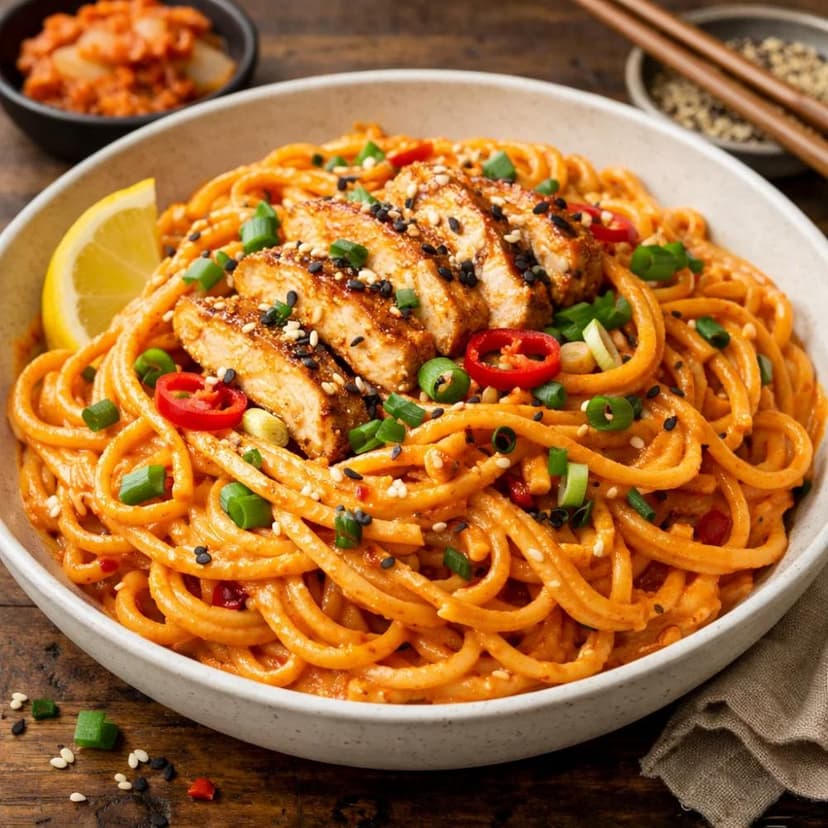
Creamy Gochujang Pasta (Spicy Korean-Inspired Pasta)
A bold, fiery, and deeply savoury pasta that comes together in under 25 minutes. Gochujang — the fermented Korean chilli paste — melts into butter and heavy cream to create a sauce that is simultaneously spicy, sweet, and umami-rich. Finished with Parmesan and a drizzle of sesame oil, this is the kind of weeknight pasta that feels genuinely exciting.
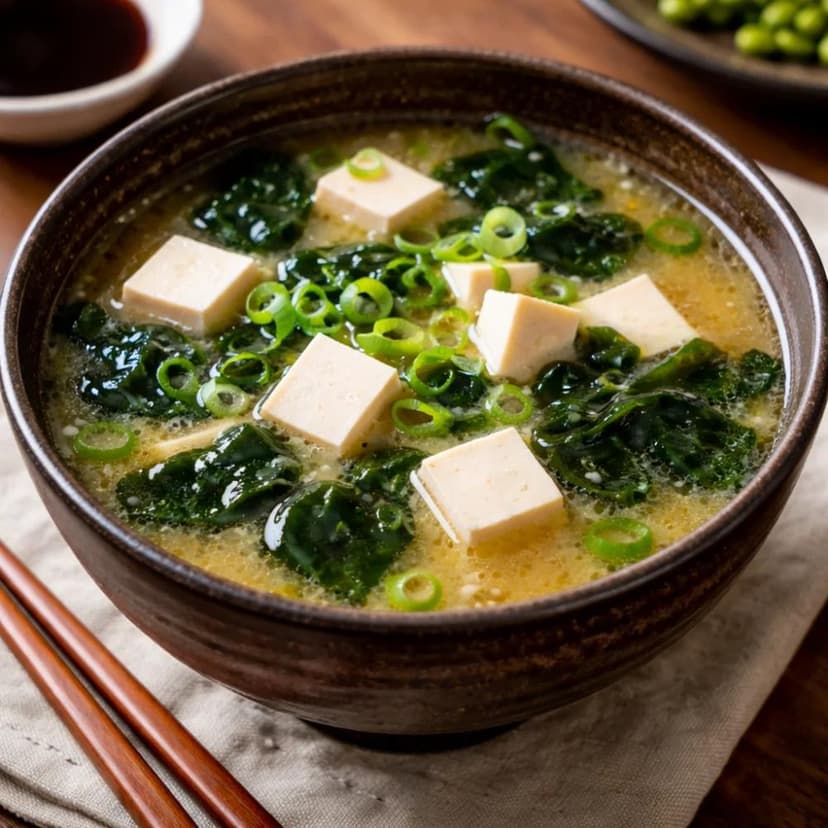
Miso Soup with Tofu and Wakame (Authentic Japanese Recipe)
Japan's most fundamental daily soup — a clean, savoury dashi broth gently stirred with miso paste, soft tofu cubes, and rehydrated wakame seaweed. Deeply nourishing, ready in 10 minutes, and endlessly comforting.
These two recipes show each paste doing what it does best. The creamy gochujang pasta leans on chili heat, sweetness, and funk to carry a rich sauce, the exact qualities miso lacks. The miso soup is all clean salt and koji-driven umami, no heat in sight, so you can taste the savory backbone on its own.
Cook them side by side and the difference becomes obvious on your tongue. Once you have felt how each paste behaves, you will know instinctively how much chili and sugar to add when you ever need one to cover for the other.
Gochujang vs. Miso at a Glance
Quick comparison
- Origin: gochujang is Korean; miso is Japanese.
- Core ferment: gochujang uses fermented soybean (meju) plus gochugaru and glutinous rice; miso uses soybeans plus koji (Aspergillus oryzae) and salt.
- Heat: gochujang is spicy; miso has no heat at all.
- Sweetness: gochujang is noticeably sweet from the rice; miso ranges from mellow-sweet (white) to plain salty (red).
- Dominant note: gochujang delivers chili-driven funk over umami; miso delivers clean salt and umami.
- Best use: reach for gochujang when you want spice and depth; reach for miso when you want savory salt without any chili.
Got one paste but not the other and a fridge full of odds and ends? Let the tool build a recipe around exactly what you have.
Cook With What You HaveFrequently Asked Questions
You can in a pinch, but use only a small amount because gochujang adds chili heat and sweetness that miso does not. Cut back on any other chili or sugar in the recipe to keep it balanced.
Miso is a Japanese paste of soybeans, koji (Aspergillus oryzae), and salt that is savory and heat-free. Gochujang is a Korean paste of fermented soybean (meju), gochugaru chili powder, glutinous rice, and salt, so it is spicy and sweet on top of its umami.
Yes. Gochujang gets real heat from gochugaru chili powder, while miso contains no chili and delivers clean salt and umami with no spice at all.
Start with miso for the savory base, add chili such as gochugaru or sriracha for heat, then stir in a little sugar to mimic gochujang's natural sweetness. Taste and adjust in small steps.
Can't decide what to make? Let our generator pick for you instantly.
Generate a Random Recipe →Tags:


Ready to Try These Recipes?
Browse our complete recipe collection for more cooking inspiration!