Why Are My Roasted Vegetables Soggy? (How to Get Crispy Edges)
Soggy roasted vegetables are almost always an overcrowded pan. Here's the steam-vs-browning science - and how to get crisp, caramelized edges every time.
The Quick Answer
Roasted vegetables turn out soggy mainly because the pan is overcrowded: when the pieces touch, the steam they release is trapped and they steam instead of roast. To get crisp, browned edges, roast hot (220-230C / 425-450F), spread everything in a single layer with space between each piece, pat the vegetables dry, and use just enough oil for a light, even coat.
Why does overcrowding the pan cause soggy vegetables?
Can't decide what to make? Let our generator pick for you instantly.
Generate a Random Recipe →As vegetables heat, they release water as steam. Pack them tightly with no air gaps and that vapour has nowhere to go - it builds a humid microclimate around the food and pins the surface temperature near the boiling point of water, about 100C (212F). Browning and caramelisation need a dry surface and surface temperatures well above 150C (300F), so trapped steam suppresses both and you get pale, limp vegetables.
Give each piece breathing room - at least a finger's width - and the steam escapes, the surfaces dry, and they can finally brown. If your tray is crowded, split the vegetables across two pans rather than piling them onto one.
What temperature and prep give crispy roasted vegetables?
The levers that actually matter
- Roast hot: 220-230C (425-450F) is the sweet spot. Too low and the surfaces stay below the browning threshold, so the veg stew in their own juices. Very sugary vegetables like carrots, squash, and beetroot can scorch at the top of that range, so keep them nearer 200-220C.
- Single layer, with space: this is the biggest lever - never overcrowd.
- Pat them dry: surface water has to boil off before browning starts, so dry vegetables (especially after washing) crisp far faster.
- Use enough oil, but not too much: a light, even coat - roughly 1 to 2 tablespoons per tray - conducts heat to the surface and aids browning. Drowning them in oil makes them greasy and soggy.
How do you fix and prevent soggy roasted veg?
Browned edges every time
- Heat the oven fully to 220-230C before the tray goes in.
- Dry the vegetables thoroughly and toss with just enough oil and salt.
- Spread them in a true single layer with gaps; use two trays if needed.
- Flip once around the halfway mark so more than one face browns - constant stirring stops any side crisping, while never flipping browns only the bottom.
- Resist crowding "to save a tray" - it is the number-one cause of sogginess.
Professional Chef Note
Preheating the sheet pan can give a head start on the sear, but it is an optional bonus, not a must - and it backfires on high-sugar vegetables, whose sugars scorch on contact with hot metal. Save the preheated-pan trick for sturdy, low-sugar veg like Brussels sprouts, broccoli, and cauliflower; for carrots and squash, a cold tray is safer.
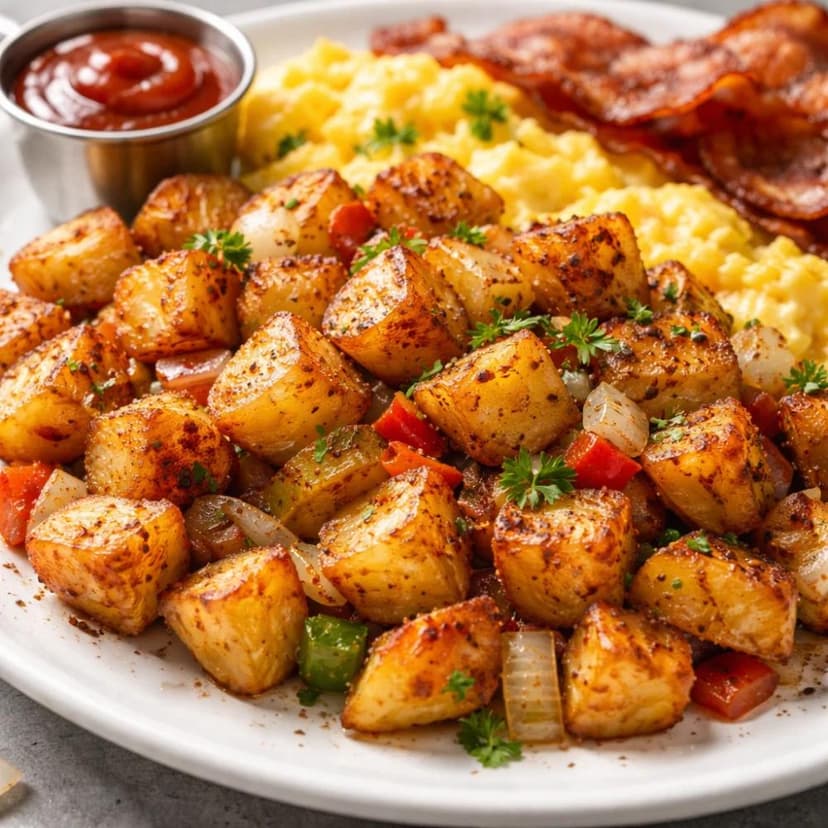
Crispy Breakfast Potatoes (Diner-Style at Home)
Golden, crispy-edged breakfast potatoes seasoned with smoked paprika, garlic, and onion. Parboiled first for a fluffy interior and fried in a cast iron pan for a proper diner-style crust.
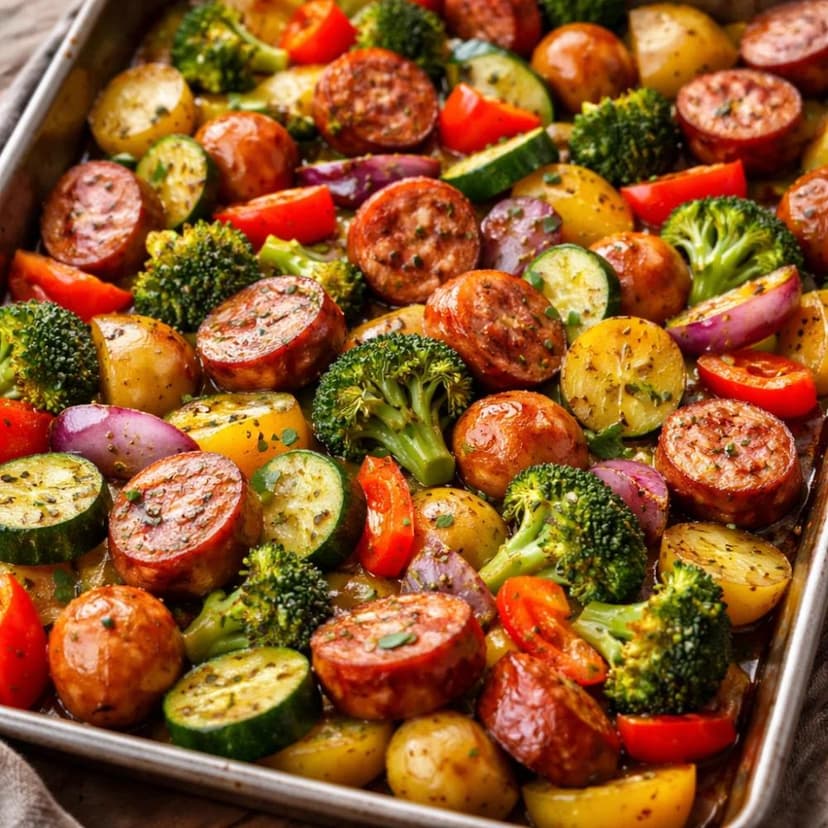
Sheet Pan Sausage and Vegetables
Sausage coins, bell peppers, courgette, and red onion roasted together on one pan at high heat until caramelised and tender — a complete, fuss-free dinner with almost no washing up.
A sheet-pan dinner is the perfect proving ground - give the sausage and vegetables room and high heat and everything browns instead of steaming. The same single-layer, high-heat rules turn potatoes crisp and golden rather than pale and soft.
Got the technique down and need something to roast tonight? Pick a recipe in one click.
Find a RecipeFrequently Asked Questions
Almost always an overcrowded pan: when pieces touch, trapped steam keeps the surface near 100C, below the temperature needed to brown. Spread them in a single layer with space, and roast hot at 220-230C.
220-230C (425-450F) for crisp, browned edges. Lower temperatures keep the surfaces below the browning threshold, so the vegetables stew. Drop to around 200-220C for high-sugar veg like carrots and squash so they do not scorch.
Yes. Surface water has to evaporate before browning can start, so drying the vegetables - especially after washing - helps them crisp much faster instead of steaming.
Just enough for a light, even coat, roughly 1 to 2 tablespoons per tray. Too little hurts browning and heat transfer; too much makes them greasy and soggy.
Can't decide what to make? Let our generator pick for you instantly.
Generate a Random Recipe →Tags:
Related Reading
 Blog
BlogCooking Tips & Techniques
Why Is My Meat Sticking to My Stainless Steel Pan? (The Water-Drop Fix)
 Blog
BlogCooking Tips & Techniques
How to Fix a Broken Sauce or Dressing in 60 Seconds
 Blog
BlogCooking Tips & Techniques
Why Is My Curry Splitting? (How to Keep Coconut Milk Smooth)
Ready to Try These Recipes?
Browse our complete recipe collection for more cooking inspiration!