Why Is My Rice Sticky and Mushy? The Rinsing Fix
Mushy, gluey rice comes from surface starch, too much water, and stirring. Learn the rinse-and-ratio method that gives you fluffy, separate grains every time.

The Quick Answer
Rice turns mushy and sticky when too much surface starch is left on the grains or too much water is used, so the grains over-absorb, rupture, and release gummy amylopectin. To rescue a slightly mushy pot right away, spread the grains in a thin layer on a lined baking sheet and dry them in a 150-175C (300-350F) oven for 5-10 minutes, tossing once. To prevent it, rinse the rice and use about 1 cup rice to 1.25 cups water.
The Structural Science of a Ruptured Grain
Can't decide what to make? Let our generator pick for you instantly.
Generate a Random Recipe →Every grain of rice is packed with two starches: amylose, which keeps grains firm and separate, and amylopectin, which makes them soft and sticky. Amylopectin is always the larger share of rice starch - the difference between varieties is how much amylose they carry. Basmati is comparatively high in amylose, so it cooks dry and separate; jasmine is lower in amylose and cooks softer and slightly clingy; short-grain and sushi rice are lowest of all, which is exactly why they turn sticky on purpose.
When you skip rinsing, the loose surface starch left from milling gelatinises in the hot water and coats the grains, making them clump. And if you use too much water - the old 1:2 ratio printed on many packets, or a casual knuckle measure - the grain absorbs past its limit, its outer wall bursts, and it vents amylopectin into the pot, locking everything into a dense, gummy mass.
The Prevention and Cure Protocol
How to prevent it (the 1:1.25 rule)
- Rinse the rice in a bowl of cold water, swirling with your hand and pouring off the cloudy water 3 to 4 times, until it runs almost clear - a little cloudiness is fine, so do not obsess over perfectly clear water.
- Use about 1 cup rice to 1.25 cups water for long-grain or jasmine. Unsoaked basmati often wants a touch more, closer to 1:1.5.
- Bring to a boil, drop to low, cover with a tight-fitting lid, and cook undisturbed for 12 minutes - no peeking or stirring.
- Take it off the heat and let it steam with the lid on for 10 more minutes, then fluff gently with a fork or paddle.
How to cure it (if it's already gummy)
- Cold shock: tip the rice into a fine-mesh strainer and rinse it briefly under cold running water to wash off the sticky surface-starch glaze.
- Dehydrate: spread the grains in a thin, even layer on a parchment-lined baking sheet so they are not clustered.
- Low oven: dry at 150-175C (300-350F) for 5-10 minutes, tossing once partway through, until the surface moisture evaporates and the grains firm up. Watch closely so the interiors do not keep cooking.
Professional Chef Note
Genuinely waterlogged rice cannot be fully un-cooked, so play to its strengths instead: dense, sticky rice is the perfect base for crispy pan-fried rice cakes or a high-heat stir-fry, where the extra surface starch crisps up beautifully.
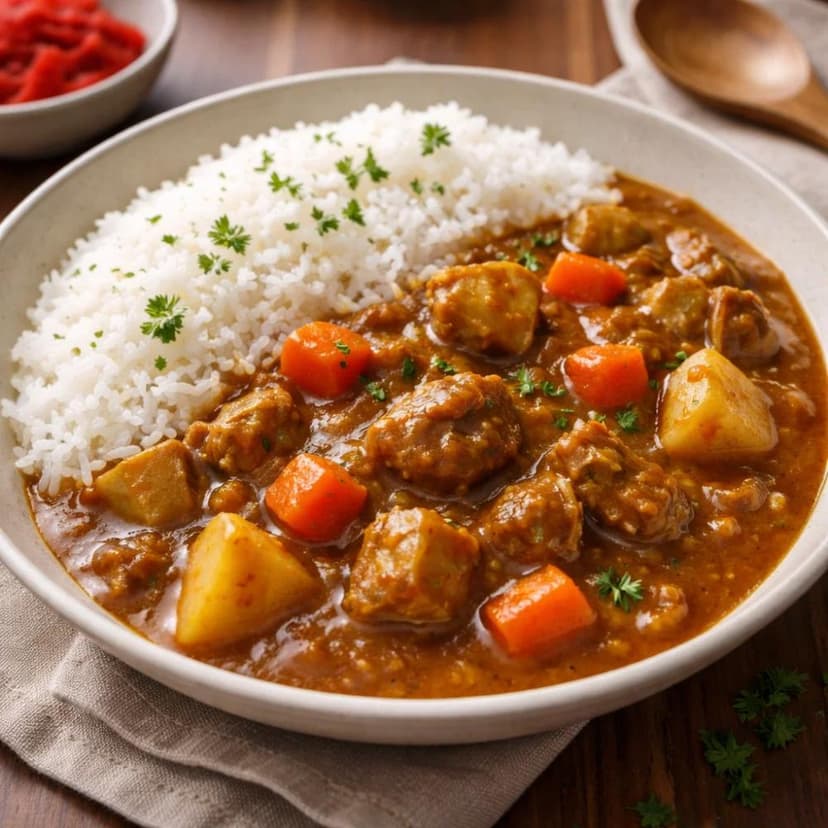
Japanese Curry Rice (Easy Comfort Food at Home)
Japanese curry rice is the ultimate comfort food — a mild, glossy, warmly spiced curry sauce loaded with tender chicken or beef, soft vegetables, and served over a mound of sticky short-grain rice. Unlike Indian curries, Japanese curry is sweeter, milder, and thicker, with a distinctive savoury depth. Using shop-bought curry roux blocks makes it achievable on any weeknight without sacrificing an ounce of flavour.
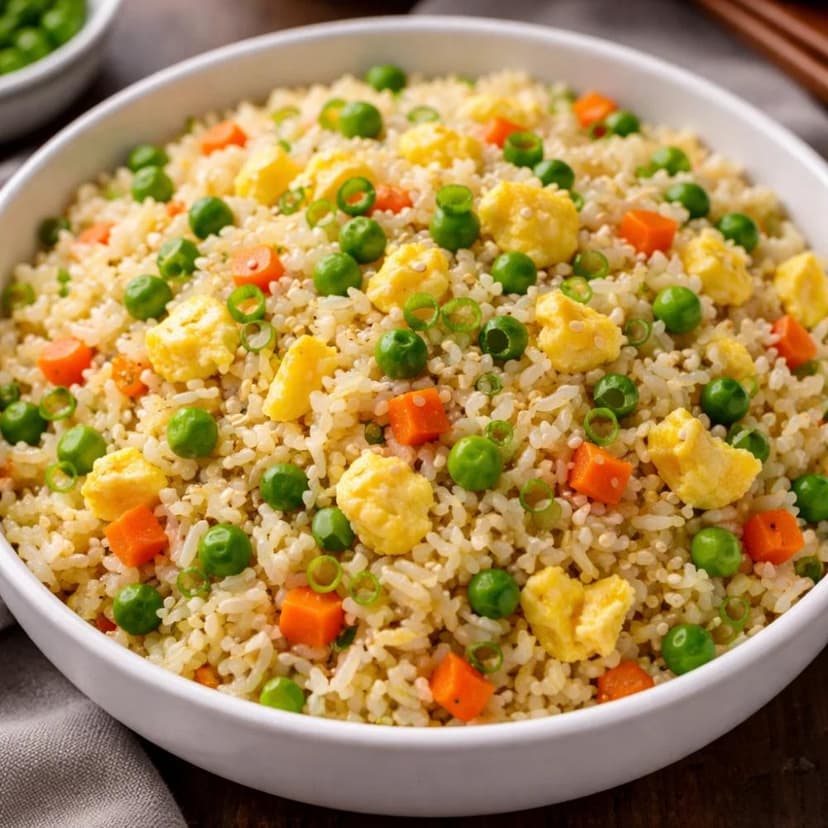
Simple Egg Fried Rice (Better Than Takeaway — 15-Minute Recipe)
Golden, smoky egg fried rice with perfectly separated grains, seasoned with soy sauce and sesame oil. Ready in 15 minutes using day-old rice — cheaper and tastier than any takeaway.
That is exactly why leftover or slightly-overcooked rice makes the best fried rice - a day in the fridge dries the grains out, and a screaming-hot pan turns yesterday's stickiness into crisp, separate bites. Egg fried rice and a comforting Japanese curry are two of the easiest ways to turn a rice mishap into dinner.
Stuck with a pot of rice that is too far gone to serve plain? Tell us what else is in your kitchen and we will build a dish around it.
Use Up Your LeftoversFrequently Asked Questions
For long-grain white or jasmine rice, about 1 cup rice to 1.25 cups water by the absorption method works well. Unsoaked basmati usually wants a little more, closer to 1:1.5. The common 1:2 ratio is often too much and leads to soft, clumpy grains.
For jasmine and short-grain it helps a lot - rinsing removes most of the loose surface starch that makes grains gummy. Swirl it in cold water and pour it off until it runs almost clear. It matters less for parboiled or enriched rice, where rinsing can wash away added nutrients.
Slightly mushy rice can be rescued: rinse it briefly under cold water, spread it thin on a lined baking sheet, and dry it in a 150-175C (300-350F) oven for 5-10 minutes, tossing once. Badly waterlogged rice is best repurposed into fried rice or crispy rice cakes.
Some stickiness is normal and even desirable - short-grain and sushi rice are naturally low in amylose and cling together by design. Mushiness, by contrast, comes from excess water or overcooking, not from the variety.
Can't decide what to make? Let our generator pick for you instantly.
Generate a Random Recipe →Tags:


Ready to Try These Recipes?
Browse our complete recipe collection for more cooking inspiration!