Oyster Sauce Substitute: 6 Swaps, Including Vegan
Out of oyster sauce, or need it vegetarian? Six substitutes with exact ratios, including the mushroom-based swap that is genuinely hard to tell apart.
The Quick Answer
The best oyster sauce substitute is vegetarian mushroom stir-fry sauce, used 1 to 1 — it is built to imitate oyster sauce and is close enough that most people cannot tell. Without it, mix 1 tablespoon of soy sauce with half a teaspoon of sugar for every tablespoon of oyster sauce, and add a quarter teaspoon of cornflour if you need the thickness. Hoisin also works 1 to 1 but is much sweeter, so cut other sugar in the dish.
What Oyster Sauce Actually Tastes Of
Can't decide what to make? Let our generator pick for you instantly.
Generate a Random Recipe →Oyster sauce is not fishy, which surprises people who have never used it. It is made by reducing oyster extract with sugar, salt and usually a thickener, and the result is dark, thick, glossy and dominated by savouriness rather than seafood. There is sweetness, plenty of salt, and a slippery body that coats vegetables and noodles.
That combination is the reason it is hard to replace with a single ingredient. Soy sauce has the salt and savouriness but none of the sweetness or body. Hoisin has the sweetness and body but far too much of it. Getting close means rebuilding two or three properties at once, which is why almost every good substitute below is a mixture.
It is also worth knowing that oyster sauce contributes visible gloss. In a stir-fry, it is partly responsible for that lacquered look on the broccoli. If your substitute is thin, the dish will taste right and look wrong, which is what the cornflour in the ratios below is fixing.
The 6 Best Oyster Sauce Substitutes
With the exact ratio for each
- 1. Vegetarian mushroom stir-fry sauce. Use 1 to 1. Sold specifically as a vegetarian oyster sauce and built from shiitake, it matches on savouriness, sweetness and body. The closest substitute by a wide margin, and it is vegan.
- 2. Soy sauce plus sugar. Use 1 tablespoon soy plus half a teaspoon sugar per tablespoon. The reliable store-cupboard version. Add a quarter teaspoon of cornflour slaked in a little water if the dish needs the gloss and thickness.
- 3. Hoisin sauce. Use 1 to 1, then taste. Similar colour and body but considerably sweeter and more aromatic from the five spice. Reduce or remove any other sugar in the recipe or the dish will tip over.
- 4. Fish sauce plus sugar. Use 2 teaspoons of fish sauce plus half a teaspoon of sugar per tablespoon. Much saltier and more pungent, so use less than the recipe says and taste as you go. Good in Southeast Asian dishes, less so in Cantonese ones.
- 5. Soy sauce plus mushroom powder. Use 1 tablespoon soy plus a quarter teaspoon of dried mushroom powder and half a teaspoon of sugar. The best homemade approximation of the mushroom sauce if you cannot buy it.
- 6. Teriyaki sauce. Use three quarters of the amount. Sweeter and thinner, and it carries ginger and garlic of its own, so it works in a pinch but will nudge the dish in a Japanese direction.
Professional Chef Note
If you are substituting for the gloss as much as the flavour, slake a quarter teaspoon of cornflour in two teaspoons of cold water and stir it in at the very end, off the heat. Adding dry cornflour straight to a hot pan will give you lumps, and adding it early means it thins out again as the sauce reduces.
Which Substitute for Which Dish
Match the swap to the job
- Beef and broccoli or any Cantonese stir-fry: mushroom stir-fry sauce, or soy plus sugar with cornflour for the gloss.
- Noodle dishes such as chow mein: soy plus sugar. The noodles carry enough sauce that body matters less than seasoning.
- Marinades for beef or pork: hoisin, accepting the extra sweetness, or soy plus sugar if the dish is already sweet.
- Stir-fried greens such as pak choi: mushroom stir-fry sauce. This is the dish where the gloss is most visible, so thin substitutes show badly.
- Southeast Asian dishes: fish sauce plus sugar, which is closer to what those cuisines use anyway.
- Vegetarian and vegan cooking: mushroom stir-fry sauce, or soy plus mushroom powder and sugar. Both are fully plant-based.
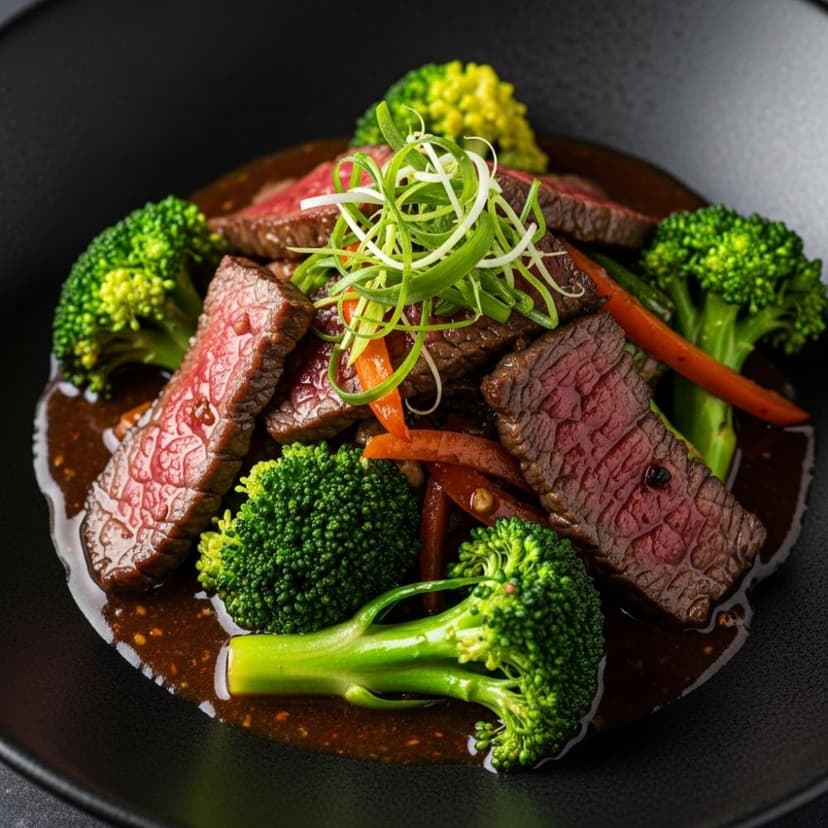
Beef and Broccoli Stir-Fry
A quick and flavorful Chinese-inspired stir-fry with tender slices of beef and crisp broccoli florets, coated in a savory brown sauce. A satisfying and healthy meal for two, ready in minutes.
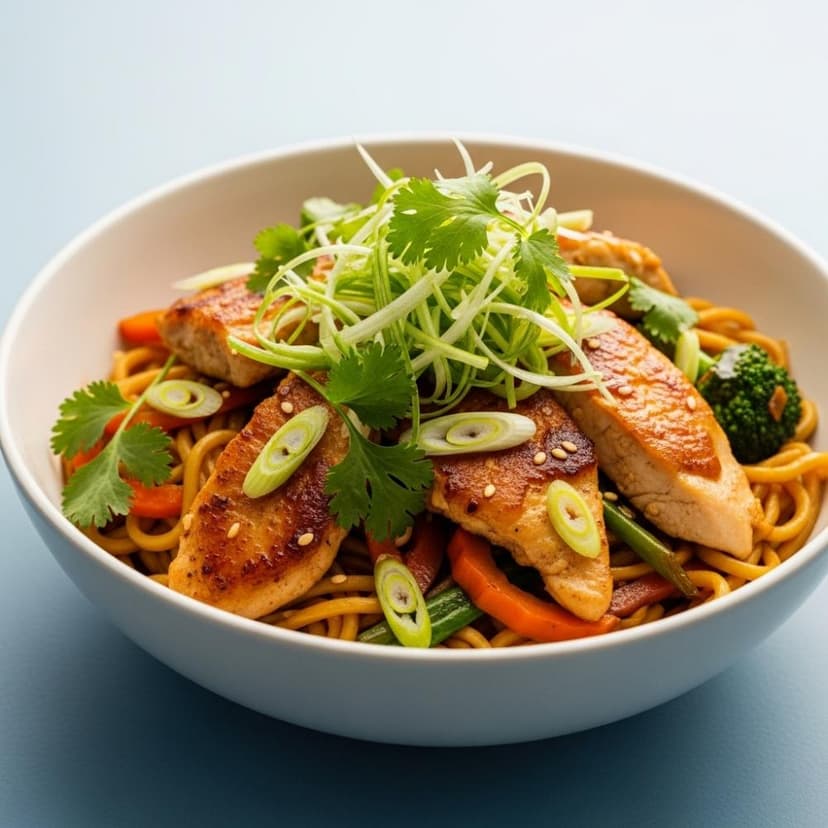
Simple Chicken and Vegetable Lo Mein
A quick and easy version of the classic Chinese-American noodle dish, featuring tender chicken and crisp vegetables tossed with soft noodles in a light, savory sauce. Perfect for a weeknight meal for two.
Beef and broccoli is the classic showcase for oyster sauce, and the clearest place to judge a substitute. If the sauce clings to the florets and the beef looks lacquered rather than wet, your swap has the body right.
The lo mein is more forgiving because the noodles absorb the sauce, so this is the dish to make if you are working with the simplest soy and sugar version and do not have cornflour to hand.
Allergy and Diet Notes
Oyster sauce is a shellfish product, so it is unsuitable for anyone with a shellfish allergy and for vegetarians and vegans. The mushroom stir-fry sauce at the top of the list exists precisely for this reason and is the substitute to reach for.
Most oyster sauces also contain wheat, so they are not gluten free. If you need a gluten-free version, build the swap from tamari rather than soy sauce, using the same 1 tablespoon to half a teaspoon of sugar ratio, and check that any mushroom sauce you buy is also tamari based.
If you are avoiding soy entirely, coconut aminos will stand in for the soy sauce at 1 to 1, though it is noticeably sweeter and less salty. Reduce the added sugar to a pinch and add a little salt instead.
Working around an allergy or a missing ingredient? Tell our generator what you can eat and it will build the dish around it.
Cook With What You HaveFrequently Asked Questions
Vegetarian mushroom stir-fry sauce, used 1 to 1, is the closest substitute. It is made from shiitake specifically to imitate oyster sauce and matches it on savouriness, sweetness and thickness. Without it, mix 1 tablespoon of soy sauce with half a teaspoon of sugar.
Vegetarian mushroom stir-fry sauce, sold in most Asian supermarkets as vegetarian oyster sauce, is fully plant-based and used 1 to 1. Alternatively mix 1 tablespoon of soy sauce with a quarter teaspoon of dried mushroom powder and half a teaspoon of sugar.
Yes, with sugar added. Use 1 tablespoon of soy sauce plus half a teaspoon of sugar per tablespoon of oyster sauce. Soy sauce alone is saltier, thinner and not sweet, so the sugar is doing real work. Add a quarter teaspoon of slaked cornflour if you need the gloss.
Yes, at 1 to 1, but taste before adding anything else sweet. Hoisin is considerably sweeter than oyster sauce and carries five spice, so it will push the dish in a different direction. Cut or remove any other sugar in the recipe.
No. It is made by reducing oyster extract with sugar and salt, and the result is savoury and slightly sweet rather than fishy. This is why savoury, not seafood, is the quality a substitute needs to reproduce.
Usually not, because most brands contain wheat. For a gluten-free version, build the substitute from tamari instead of soy sauce using the same 1 tablespoon to half a teaspoon of sugar ratio, and check the label on any mushroom sauce you buy.
Can't decide what to make? Let our generator pick for you instantly.
Generate a Random Recipe →Tags:
Ready to Try These Recipes?
Browse our complete recipe collection for more cooking inspiration!