Shaoxing Wine Substitute: 6 Swaps That Work
No Shaoxing wine? Dry sherry is the closest match at 1 to 1. Six substitutes with exact ratios, including two that contain no alcohol at all.
The Quick Answer
The best Shaoxing wine substitute is dry sherry, used 1 to 1. It is the closest match available in most Western supermarkets because both are aged, oxidised and nutty rather than fruity. Dry sake and dry white vermouth also work 1 to 1. For an alcohol-free version, use 1 tablespoon of chicken or mushroom stock plus a quarter teaspoon of rice vinegar for every tablespoon of Shaoxing wine.
What Shaoxing Wine Is Doing
Can't decide what to make? Let our generator pick for you instantly.
Generate a Random Recipe →Shaoxing is a Chinese rice wine, aged and amber coloured, with a distinctly nutty, savoury character closer to dry sherry than to sake. It appears in a huge proportion of Chinese recipes, usually in small quantities, and it is doing two jobs that are easy to miss until it is gone.
First, it removes what Chinese cooking calls the raw or fishy note from meat and seafood. Alcohol binds to the compounds responsible and carries them off as it evaporates, which is why a marinade of cornflour, soy and a splash of wine is the standard preparation for velveted chicken or prawns.
Second, it adds a fermented depth that reads as savouriness rather than flavour in its own right. You rarely taste Shaoxing directly. You notice its absence as a stir-fry that tastes slightly thin and one-dimensional, which is exactly why a substitute needs to bring some fermented character of its own.
The 6 Best Shaoxing Wine Substitutes
With the exact ratio for each
- 1. Dry sherry. Use 1 to 1. The standard substitute and by a clear margin the best. Both are oxidised and aged, so the nutty depth carries across almost exactly. Choose a dry fino or amontillado, never a cream sherry.
- 2. Dry sake. Use 1 to 1. Cleaner and lighter than Shaoxing with less of the nutty depth, but it handles the job of taming strong-smelling proteins just as well. Excellent in seafood dishes.
- 3. Dry white vermouth. Use 1 to 1. Aromatic and herbal, which is a departure, but the alcohol and acidity are right and it works well in strongly seasoned dishes where the herbs blend in.
- 4. Dry white wine. Use 1 to 1. Widely available and perfectly serviceable, though more acidic and fruitier than Shaoxing. Best in stir-fries with plenty of garlic and ginger to cover the difference.
- 5. Stock plus rice vinegar, alcohol-free. Use 1 tablespoon of chicken or mushroom stock plus a quarter teaspoon of rice vinegar per tablespoon. The stock supplies savoury depth and the vinegar supplies the bright edge. Mushroom stock is the better of the two.
- 6. White grape juice plus rice vinegar, alcohol-free. Use 1 tablespoon of juice plus a quarter teaspoon of vinegar. Sweeter than the stock version, so best in dishes that already carry sugar such as a sweet and sour or a glazed pork.
Professional Chef Note
If a marinade is the only place the wine appears, an alcohol-free substitute will not fully replicate it, because the deodorising effect depends on the alcohol itself. Compensate by adding a little more fresh ginger and a slice of spring onion to the marinade, which is the traditional Chinese approach to the same problem.
Which Substitute for Which Dish
Match the swap to the job
- Velveting chicken, pork or prawns: dry sherry or dry sake. This is where the alcohol matters most, so an alcohol-free swap is the weakest option here.
- Stir-fry sauces: dry sherry first, dry white wine second. The wine is a small part of a heavily seasoned sauce, so almost anything dry will pass.
- Red-braised pork or beef: dry sherry. The long cook rewards the nutty, aged character and punishes anything fruity.
- Steamed fish: dry sake. Cleaner and lighter, and it will not compete with the delicate flesh.
- Dumpling and wonton fillings: dry sherry, or mushroom stock with vinegar if the filling is vegetarian.
- Alcohol-free cooking of any kind: mushroom stock plus rice vinegar, with extra ginger in marinades.
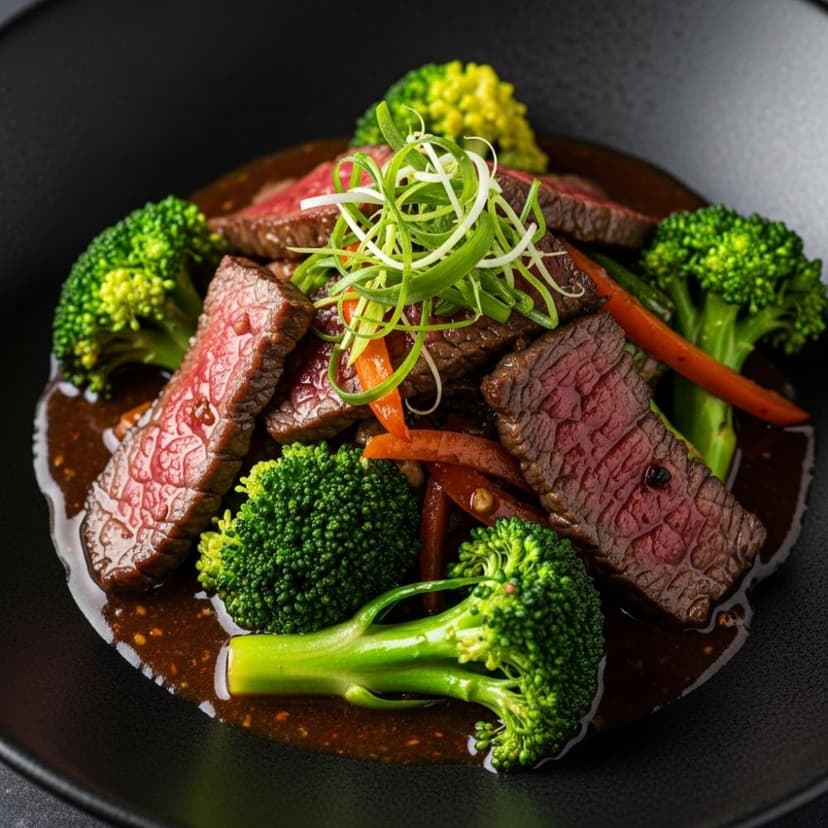
Beef and Broccoli Stir-Fry
A quick and flavorful Chinese-inspired stir-fry with tender slices of beef and crisp broccoli florets, coated in a savory brown sauce. A satisfying and healthy meal for two, ready in minutes.
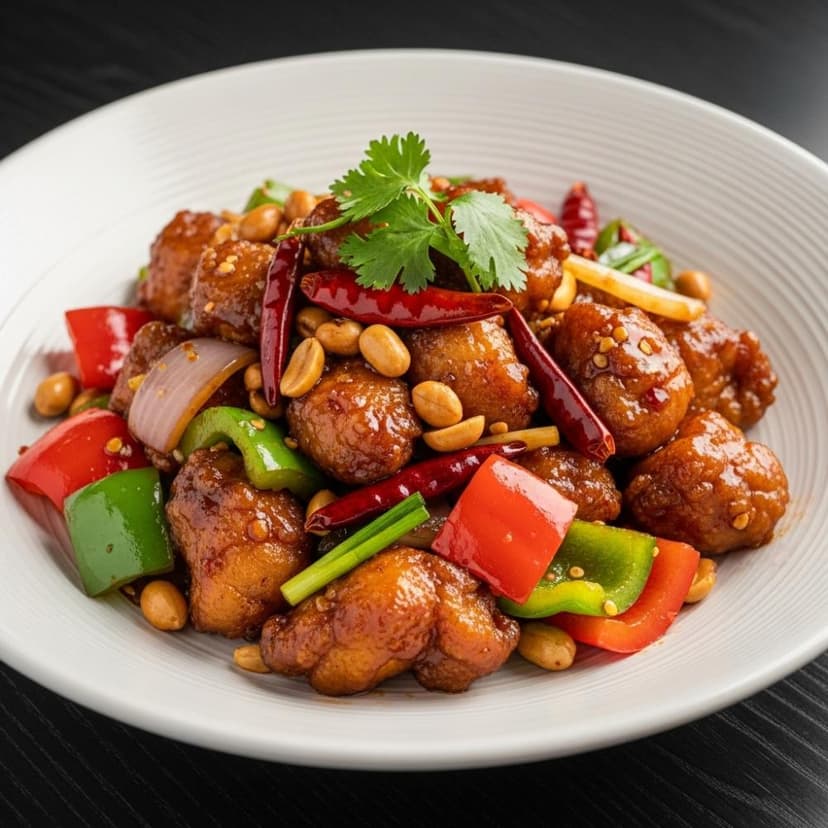
Classic Kung Pao Chicken
A famous Chinese stir-fry with tender chicken pieces, crunchy peanuts, and a mix of bell peppers and green onions, all tossed in a bold and spicy sauce. A quick and exciting meal for two.
Both of these use Shaoxing in the marinade and again in the sauce, which makes them a good test of whether your substitute is pulling its weight. In the beef and broccoli, the wine in the marinade is what stops the beef tasting flat and metallic.
Kung pao is the harder test. There is so much going on with the chilli and peppercorn that a poor substitute can hide, but a good one shows up as a rounder, deeper sauce rather than a sharp one.
What Not to Use
Do not use cooking wine sold as Shaoxing cooking wine if you can avoid it. It is the same base wine with salt added so it can be sold outside licensing rules, and the salt content is high enough that it will throw off the seasoning of your dish. If it is all you have, cut the soy sauce back noticeably.
Rice vinegar is not a substitute on its own. It is acidic and contains no alcohol or fermented depth, so it fails at both of the jobs Shaoxing is doing. It only works as part of the stock-based swap above.
Mirin is also the wrong shape. It is sweet where Shaoxing is savoury, and using it 1 to 1 will noticeably sweeten a dish that should not be sweet. If it is genuinely all you have, use half the amount and skip any other sugar in the recipe.
Missing an ingredient and not sure what you can still make? Tell our generator what is in the cupboard.
Cook With What You HaveFrequently Asked Questions
Dry sherry, used 1 to 1, is the best substitute. Both Shaoxing and sherry are aged and oxidised, which gives them a similar nutty, savoury depth. Use a dry fino or amontillado rather than a sweet cream sherry.
Not on its own. Rice vinegar is acidic and contains no alcohol or fermented depth, so it cannot do either of the jobs Shaoxing wine performs. Use it only as part of an alcohol-free swap: 1 tablespoon of stock plus a quarter teaspoon of rice vinegar.
Use 1 tablespoon of chicken or mushroom stock plus a quarter teaspoon of rice vinegar for each tablespoon of wine. Mushroom stock works better because it supplies more savoury depth. In marinades, add extra fresh ginger to make up for the missing alcohol.
No. Shaoxing is a rice wine, an alcoholic drink used for cooking. Rice wine vinegar is a vinegar made by fermenting rice wine further into acetic acid. They behave completely differently and are not interchangeable.
Yes, at 1 to 1. Dry sake is cleaner and lighter, with less of the nutty depth Shaoxing brings, but it handles strong-smelling proteins equally well. It is a particularly good choice in steamed fish and seafood dishes.
You can, but expect the dish to taste slightly thin, and in meat or seafood marinades you may notice a raw note that the wine would normally have removed. If you are leaving it out entirely, add a little extra ginger and spring onion to the marinade to compensate.
Can't decide what to make? Let our generator pick for you instantly.
Generate a Random Recipe →Tags:
Ready to Try These Recipes?
Browse our complete recipe collection for more cooking inspiration!