What Is Mirin? Types, Taste and How to Use It
Mirin is a sweet Japanese rice wine used for glazing and seasoning. Here is what it is made from, the three types on the shelf, and how to tell which one you have.
The Quick Answer
Mirin is a sweet Japanese rice wine used for cooking rather than drinking. It is brewed from glutinous rice, rice koji and distilled alcohol, and ends up roughly 40 to 50 percent sugar with about 14 percent alcohol. It is what gives teriyaki its gloss and Japanese simmered dishes their rounded sweetness. Three different products are sold as mirin, and only one of them is the real thing.
What Mirin Is Made From
Can't decide what to make? Let our generator pick for you instantly.
Generate a Random Recipe →True mirin starts with three ingredients: steamed glutinous rice, rice koji, and shochu or another distilled spirit. Koji is rice inoculated with Aspergillus oryzae, the same mould behind miso, soy sauce and sake, and its job here is to break the rice starch down into sugar.
The mixture is left to age, usually for a couple of months but sometimes far longer. Because alcohol is present from the start, the yeast fermentation that would normally turn those sugars into more alcohol is suppressed. The sugar simply accumulates, which is why mirin ends up sweet rather than dry and why it is closer to 14 percent alcohol than sake's 15 to 20.
The result is a clear golden syrup, noticeably thicker than sake, with a sweetness that tastes rounded and slightly savoury rather than sugary. Around a third of the sugar is glucose, which matters more than it sounds: glucose caramelises readily, and that is the chemistry behind the lacquered coat on a piece of glazed fish.
The Three Types of Mirin
Only the first one is real mirin
- Hon-mirin, meaning true mirin. Around 14 percent alcohol, brewed the traditional way with no added sugar or salt. This is what Japanese recipes assume, and it is the only one that gives the full effect. In some countries it is sold in the alcohol aisle or requires a licence, which is precisely why the other two exist.
- Shio-mirin, or salt mirin. Similar alcohol content, with roughly 2 percent salt added to make it undrinkable and so exempt from alcohol tax and licensing. It behaves much like hon-mirin in cooking, but it is bringing salt to the dish, so cut back the soy sauce accordingly.
- Mirin-style seasoning, sold as aji-mirin or mirin-fu chomiryo. Usually under 1 percent alcohol, and not brewed at all: it is glucose syrup or corn syrup with rice flavouring, acidity regulators, salt and sometimes MSG. It is the most common version in Western supermarkets. It works, but it is sweeter and saltier than the real thing and it will not build the same glaze.
Professional Chef Note
The quickest way to tell what you have bought is the ingredient list, not the front label. Real mirin lists rice, rice koji and alcohol, and very little else. If the first ingredient is glucose syrup, corn syrup or water, you are holding mirin-style seasoning. If the bottle mentions salt, treat it as a seasoning and reduce the soy sauce in your recipe.
What Mirin Tastes Like
On its own, mirin is sweet and syrupy, with a mild tang and a faint fermented depth underneath that reads as savoury. It is much less sharp than you would expect from something described as a wine, and considerably thicker in the mouth than sake.
In a finished dish, though, you almost never taste mirin directly. What you notice is what it has done: a glaze that clings and shines, a simmered dish whose sweetness sits behind the soy rather than on top of it, and an overall roundness that stops a salty sauce tasting harsh.
This is why leaving it out is more noticeable than people expect. A teriyaki made without it is not less sweet so much as flat and thin, because the sugar was also providing body and shine, not just flavour.
Is Mirin Alcoholic?
Hon-mirin contains around 14 percent alcohol, which is comparable to a glass of wine, so yes. Shio-mirin is similar but salted so heavily that it is unpleasant to drink. Mirin-style seasoning is usually under 1 percent, and some brands are effectively alcohol-free, but rarely certified as zero.
Most of that alcohol cooks off when the dish is simmered or reduced, which is what mirin is normally used for. It does not all disappear, though. A brief glaze at the end of cooking retains far more than a twenty-minute simmer, so the amount left depends entirely on how the dish is made.
If you are avoiding alcohol for medical or religious reasons, the safest route is not to hunt for a low-alcohol mirin but to build your own from rice vinegar and sugar, where you control every ingredient. There is a full breakdown of the ratios in our guide to mirin substitutes.
What Mirin Is Used For
Where it earns its place
- Teriyaki and glazes. Mirin plus soy sauce, usually with sake and sugar, is the entire sauce. The glucose is what makes it lacquer as it reduces.
- Simmered dishes such as nimono. In braised daikon, pumpkin or fish, it provides sweetness and helps ingredients keep their shape, because the sugar firms the surface slightly as they cook.
- Marinades for fish and dark meat. The alcohol carries away the compounds responsible for strong or fishy aromas as it evaporates.
- Sushi rice and dressings. A small amount rounds out the vinegar without the graininess of adding plain sugar.
- Dipping sauces such as tsuyu, where mirin, soy and dashi are combined and briefly heated to burn off the raw alcohol edge.
- Tamagoyaki, the rolled Japanese omelette, where it supplies both sweetness and the glossy surface.
Japanese Curry Rice (Easy Comfort Food at Home)
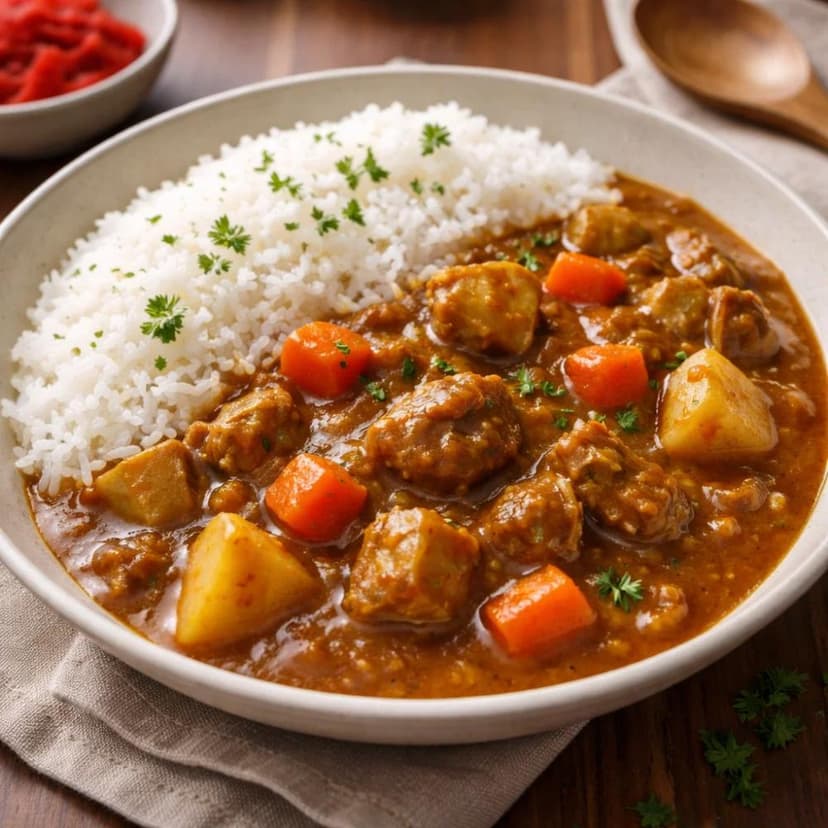
Japanese curry rice is the ultimate comfort food — a mild, glossy, warmly spiced curry sauce loaded with tender chicken or beef, soft vegetables, and served over a mound of sticky short-grain rice. Unlike Indian curries, Japanese curry is sweeter, milder, and thicker, with a distinctive savoury depth. Using shop-bought curry roux blocks makes it achievable on any weeknight without sacrificing an ounce of flavour.
Sticky Soy Honey Chicken (Sweet and Savory Dinner)
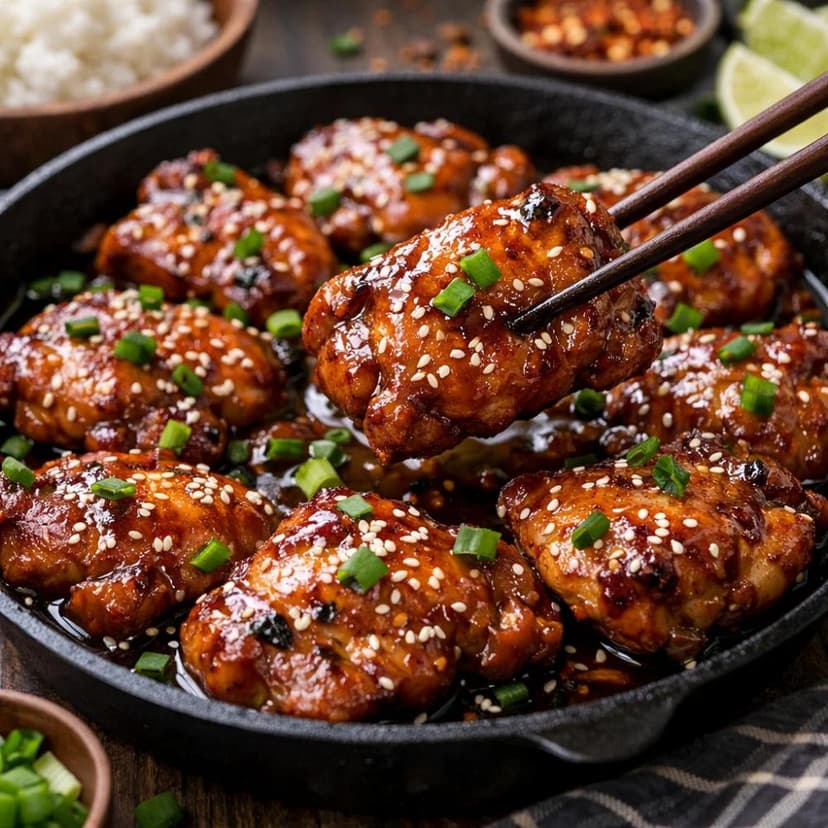
Deeply caramelised chicken thighs glazed in a sticky, glossy sauce of soy sauce, honey, garlic, and ginger — sweet, salty, savoury, and deeply satisfying. The sauce reduces in the pan alongside the chicken, coating each piece in a thick, lacquered glaze with complex caramelised notes. Ready in 30 minutes from a single pan, this is Asian-inspired comfort food at its most accessible: genuinely impressive flavour from a handful of pantry ingredients.
The sticky soy honey chicken is the clearest demonstration of what mirin actually does, because the glaze either clings to the meat or it slides off into the pan. That difference is the sugar content doing its work as the sauce reduces.
The Japanese curry is the subtler case. Mirin is not the headline flavour anywhere in it, but a spoonful rounds off the roux and stops the spice sitting sharp and separate from the rest of the dish.
Mirin vs Sake vs Rice Vinegar vs Rice Wine
These four are shelved together and constantly confused, but they separate cleanly on two questions: is it sweet, and is it sour. Mirin is sweet and barely sour. Sake is neither, and is drier and stronger at 15 to 20 percent alcohol. Rice vinegar is sour and not sweet, with no alcohol at all.
Rice wine is the broadest term and the source of most of the confusion, because it simply means any alcoholic drink fermented from rice. Sake is a rice wine. Mirin is a rice wine. Chinese Shaoxing is a rice wine. So a recipe calling for rice wine is usually asking for whichever one belongs to that cuisine, and the answer is almost always sake for Japanese dishes and Shaoxing for Chinese ones.
Japanese recipes often call for mirin and sake together, and the pairing is deliberate rather than redundant. Sake brings the alcohol and the savoury depth, mirin brings sweetness and shine. Substituting one for the other means adding back whichever half you have lost.
Buying and Storing Mirin
Practical notes
- Where to look: Japanese and East Asian supermarkets for hon-mirin, and the international aisle of a Western supermarket for mirin-style seasoning. In some countries hon-mirin sits with the alcohol rather than the food.
- Storing hon-mirin: a cool dark cupboard is fine. The alcohol preserves it, and refrigerating it can cause sugars to crystallise out.
- Storing mirin-style seasoning: refrigerate after opening. There is not enough alcohol to preserve it, so it behaves like any other syrup.
- Shelf life: hon-mirin keeps for months after opening and darkens slowly, which is harmless. Seasoning-type bottles carry a use-by date worth respecting.
- Dietary notes: mirin is plant-based, so it suits vegan cooking. Traditional hon-mirin is made from rice and is generally gluten free, but mirin-style seasonings vary and some contain wheat-derived additives, so check the label if it matters.
- Quantities: most recipes use a tablespoon or two, so a small bottle lasts a long time. There is little reason to buy the large size unless you cook Japanese food weekly.
Bought a bottle and not sure what to make with it? Tell our generator what else is in the cupboard.
Cook With What You HaveFrequently Asked Questions
Mirin is a sweet Japanese rice wine used for cooking rather than drinking. It is brewed from glutinous rice, rice koji and distilled alcohol, ending up around 40 to 50 percent sugar and about 14 percent alcohol. It gives teriyaki its gloss and Japanese simmered dishes their rounded sweetness.
True hon-mirin contains around 14 percent alcohol, similar to wine. Mirin-style seasoning, the version most common in Western supermarkets, is usually under 1 percent. Most of the alcohol cooks off during simmering, but a quick glaze at the end of cooking retains considerably more than a long simmer.
Sweet and slightly syrupy, with mild acidity and a faint savoury depth from fermentation. It is much less sharp than the word wine suggests and thicker in the mouth than sake. In a finished dish you notice its effect, a glossy glaze and rounded sweetness, more than its flavour.
Hon-mirin is genuine brewed mirin at around 14 percent alcohol, made from rice, rice koji and distilled alcohol. Aji-mirin, or mirin-style seasoning, is usually under 1 percent alcohol and is made from glucose or corn syrup with rice flavouring, salt and acidity regulators. Check the ingredient list rather than the front label.
It is a core ingredient in teriyaki and other glazes, in simmered dishes such as braised daikon and fish, in marinades for fish and dark meat, in dipping sauces like tsuyu, and in tamagoyaki. It contributes sweetness, gloss and a savoury roundness rather than a distinct flavour of its own.
No. Both are rice wines, but sake is dry and stronger at 15 to 20 percent alcohol, while mirin is sweet and around 14 percent with a much higher sugar content. Japanese recipes often call for both together because sake supplies depth and mirin supplies sweetness and shine.
Hon-mirin does not. The alcohol preserves it, and refrigeration can make its sugars crystallise, so a cool dark cupboard is better. Mirin-style seasoning should be refrigerated after opening because it has too little alcohol to preserve itself.
Mirin is plant-based, so it is suitable for vegan cooking. Traditional hon-mirin is made from rice and is generally gluten free, but mirin-style seasonings vary and some contain wheat-derived additives, so check the label if you need to avoid gluten.
Can't decide what to make? Let our generator pick for you instantly.
Generate a Random Recipe →Tags:
Ready to Try These Recipes?
Browse our complete recipe collection for more cooking inspiration!